Fireplace Mantel Height: The 54-Inch Rule and When to Break It

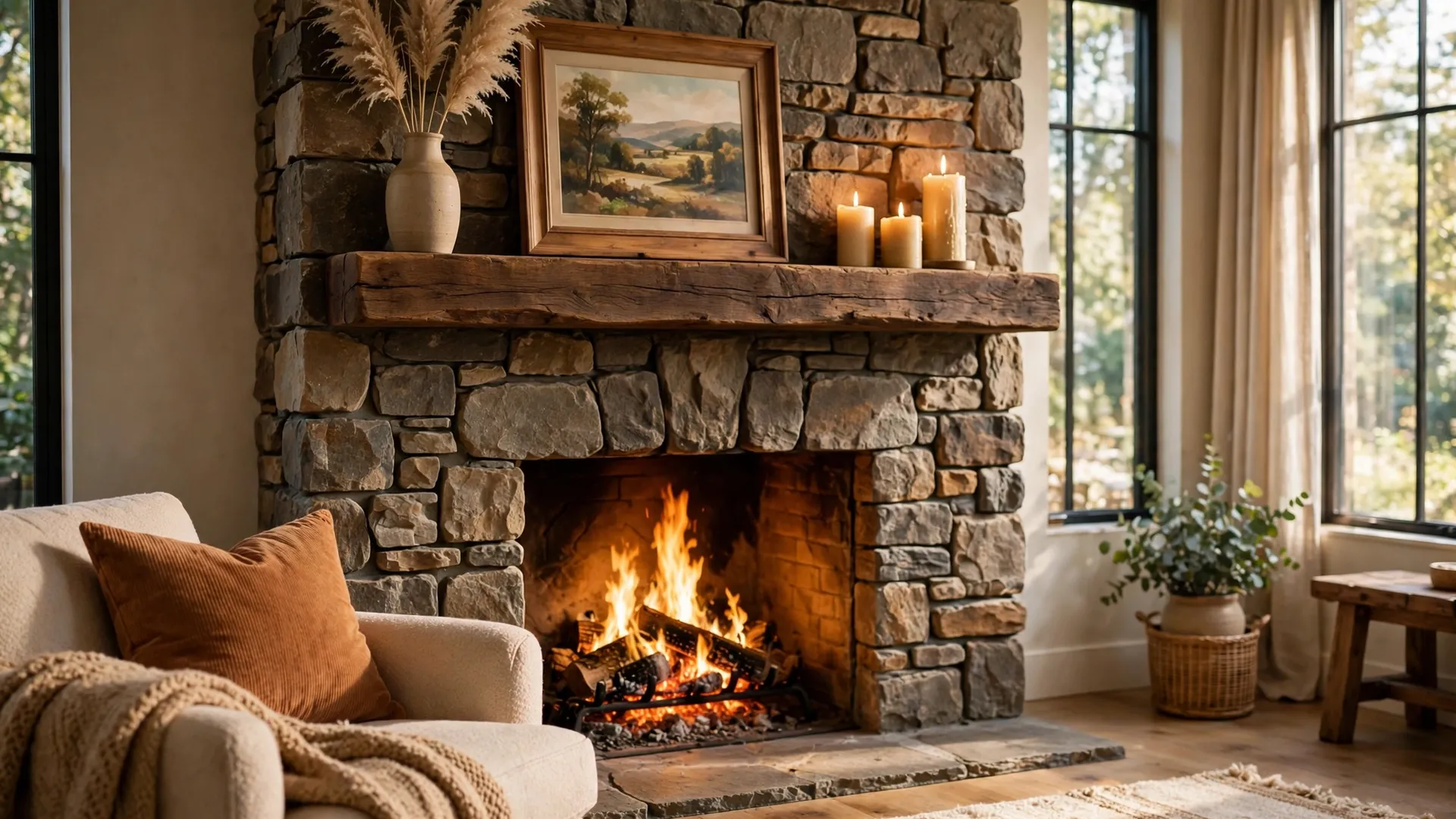
Two winters ago, my friend Dana bought a thick reclaimed oak beam for the fireplace in her living room. She hired a carpenter, picked the perfect stain, and hung the beam exactly where it looked right in the photos she had saved. One month later, she called me, frustrated. The beam sat so low that her new gas insert scorched the underside, and the whole wall felt squat and heavy instead of warm and grand. She had guessed. She had skipped the one measurement that decides whether a fireplace wall looks finished or feels wrong. If you are trying to figure out the right fireplace mantel height for your own home, her story is your warning. This guide walks you through the famous 54-inch rule, the safety codes behind it, how to measure like a professional, and the moments when breaking the rule actually makes your room better.
Why the 54-Inch Rule Exists for Fireplace Mantel Height
The number 54 did not come from a decorator's whim. It came from the human body. The top of a mantel shelf mounted 54 inches from the floor sits just below the eye level of most standing adults, which keeps the mantel in comfortable reach while letting the firebox breathe underneath. Builders settled on this number because it balances three things at once: safe clearance above the firebox, a comfortable viewing line, and proportions that flatter an average 8-foot ceiling.
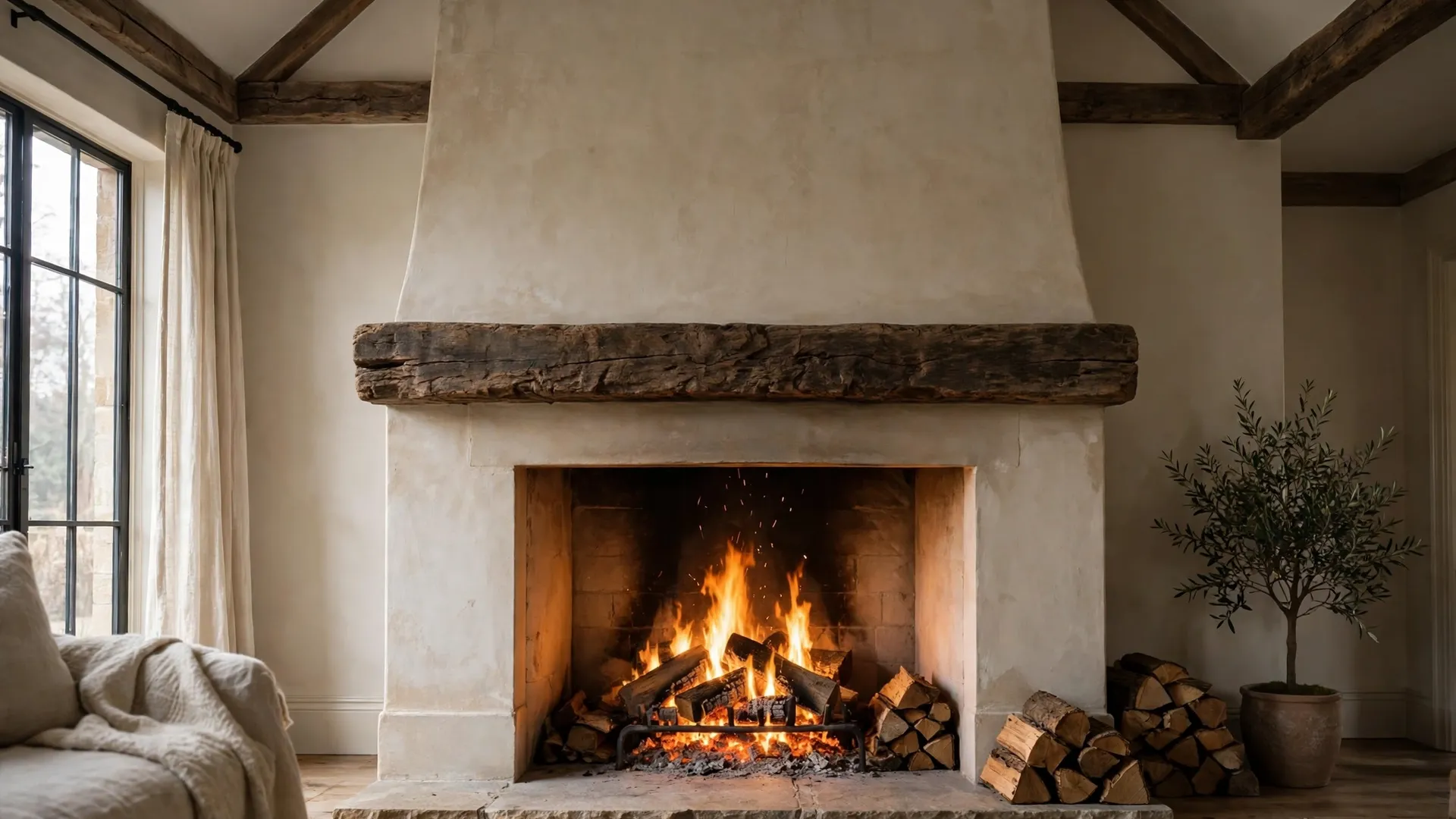
But 54 inches is a starting point, not a law of physics. The right number shifts with your ceiling height, the size of your firebox opening, and whether you burn wood, gas, or nothing at all. A soaring 12-foot ceiling can make a 54-inch mantel look like it is sinking, while a cozy cottage with 7-foot ceilings might find 54 inches towering over the room. Measuring your fireplace mantel height before you buy a shelf, order a beam, or book a carpenter protects you from Dana's mistake. Ten minutes with a tape measure is cheaper than reinstalling a scorched beam.
How to Measure Fireplace Mantel Height Like a Pro
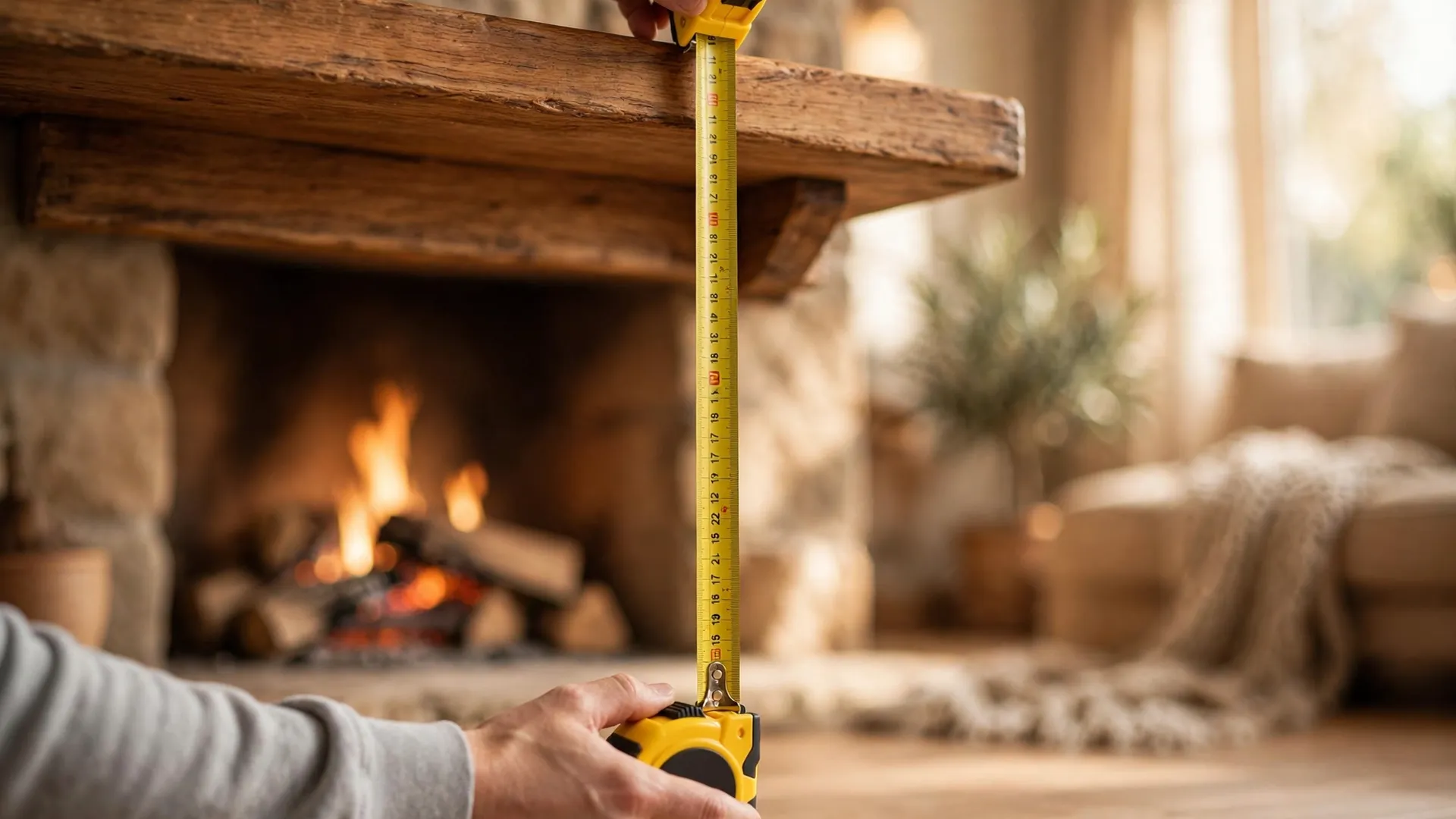
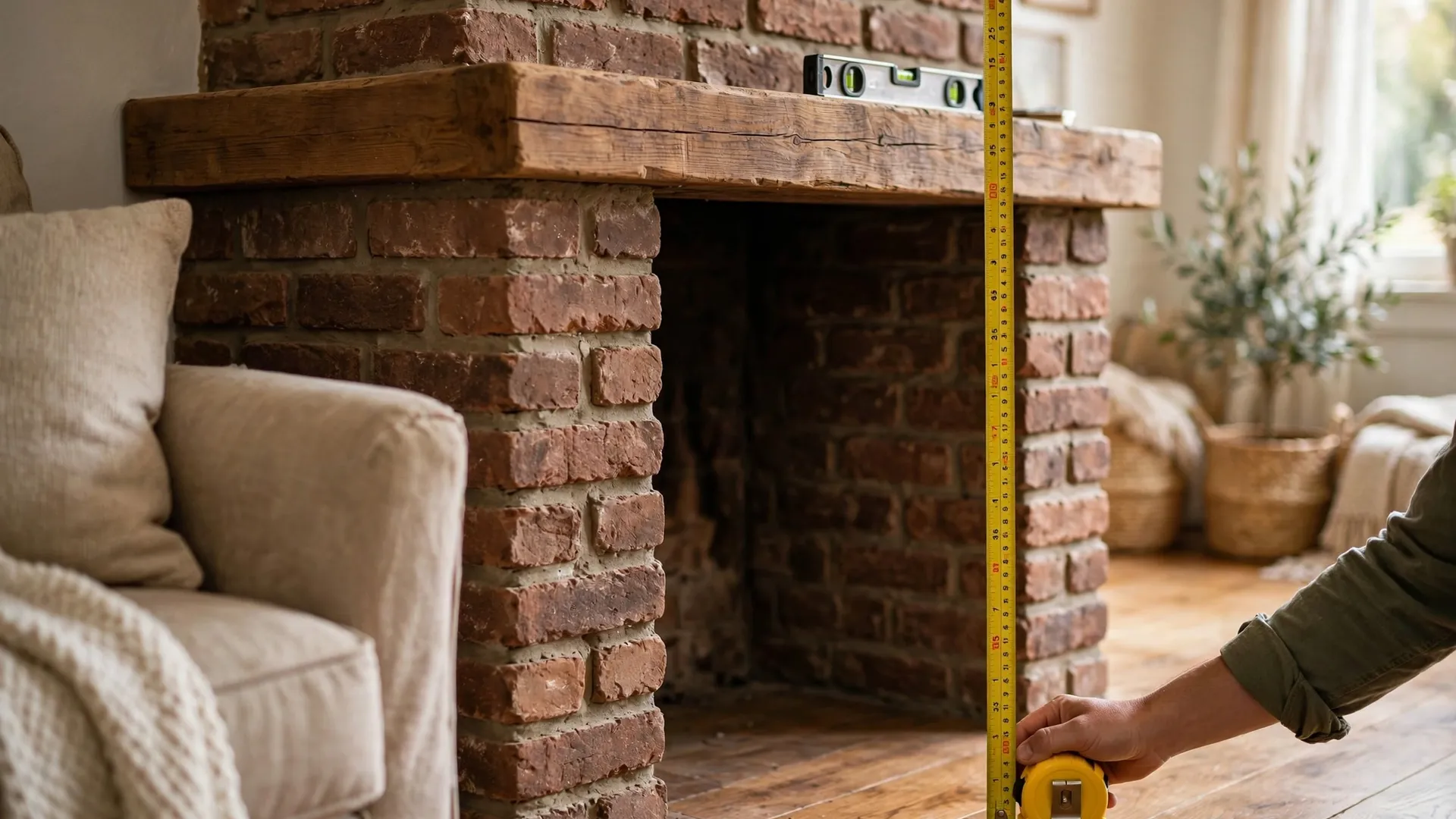
Grab a steel tape measure, a pencil, and a four-foot level. Measure from the finished floor or the top of the hearth straight up to the top surface of the mantel shelf. That distance is the number everyone means when they talk about the standard. Do not measure to the underside of the shelf, because shelf thickness varies wildly. A chunky 6-inch beam and a slim 3-inch floating shelf can share the same top-surface number while their undersides sit in completely different places. The top surface is the consistent reference point, and it is also the surface that meets your decor, your art, and your eye.
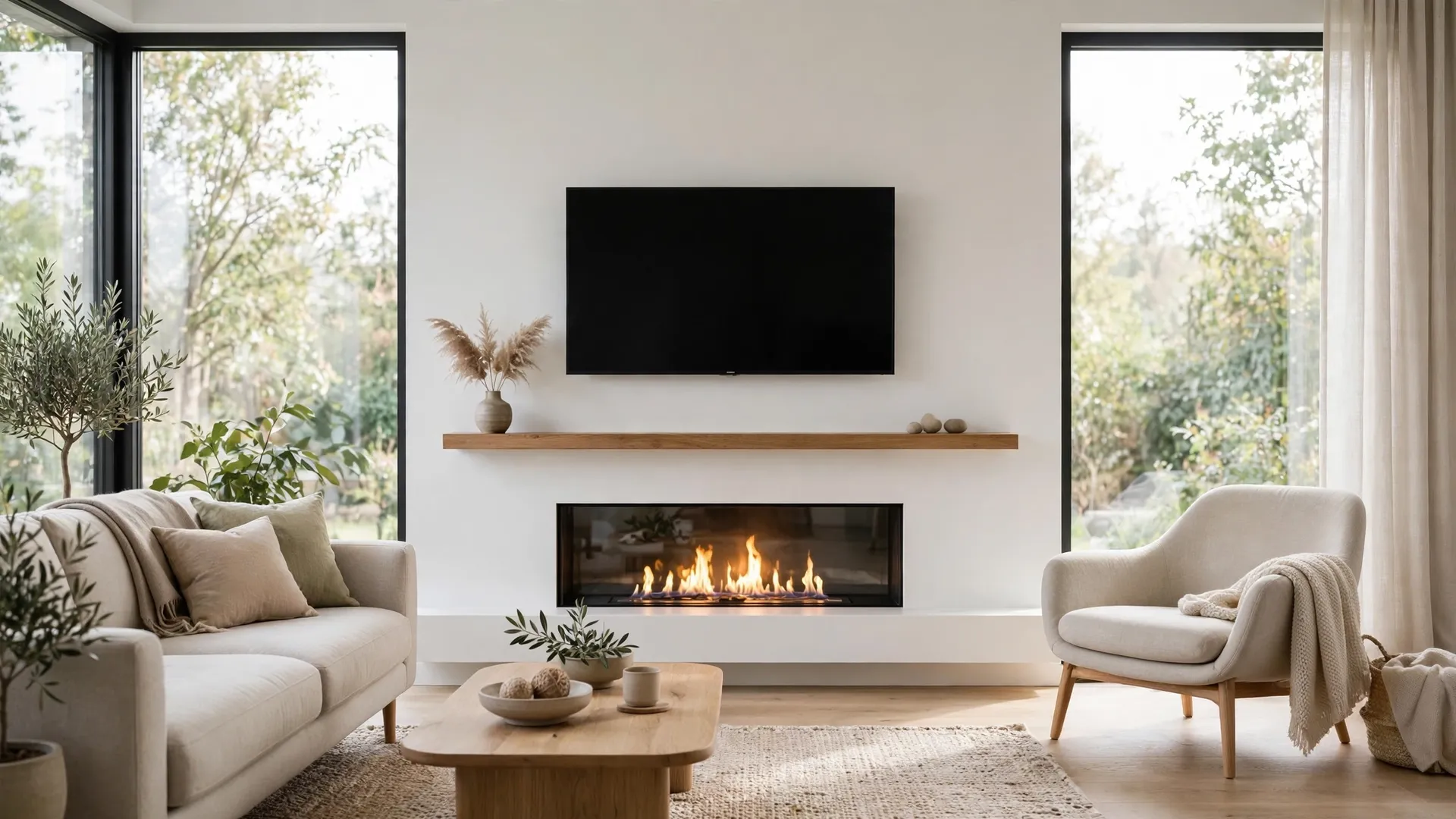
While the tape is out, take three companion measurements that matter just as much. First, measure from the top of the firebox opening to the planned underside of the shelf. For a wood-burning fireplace, this gap needs to be at least 12 inches to satisfy most fire codes. Second, measure the width of your firebox opening, because a mantel that is too narrow for a wide opening looks like a hat that is two sizes too small. Once you know the true fireplace mantel height of your setup along with these companions, you can shop, order, or install with total confidence.
The Fire Code Rules You Cannot Ignore
Looks are negotiable. Fire codes are not. The International Residential Code, section R1001.11, sets the baseline for combustible mantels and trim around a fireplace opening. The code states that no combustible material may sit within 6 inches of the fireplace opening, and any combustible material within 12 inches of the opening cannot project more than one-eighth of an inch for every inch of distance from the opening. In plain language, the closer your wooden mantel sits to the flames, the thinner its projection must be.
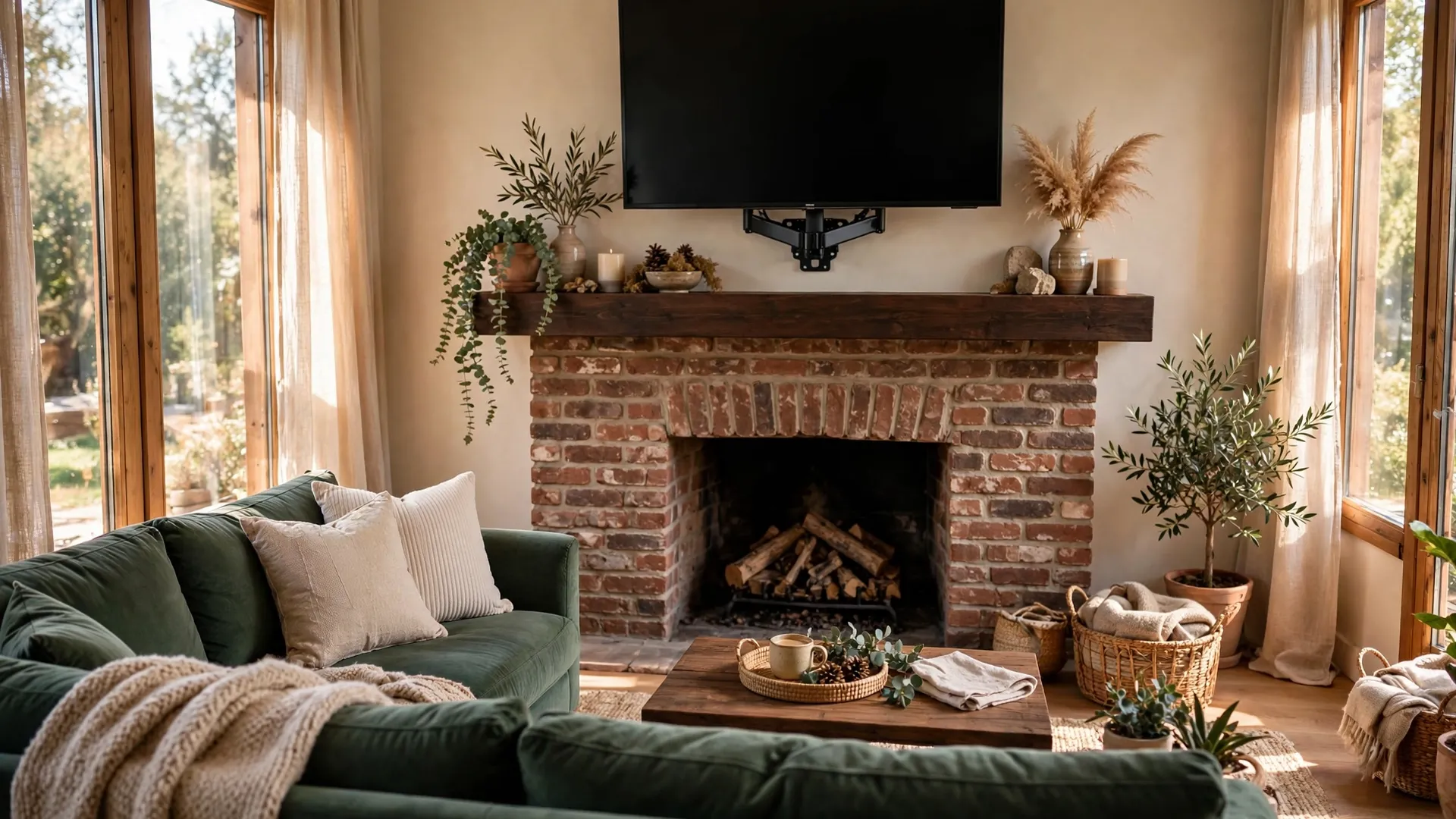
The National Fire Protection Association backs this up in NFPA 211, the standard for chimneys, fireplaces, and solid fuel-burning appliances. Your local building inspector enforces these rules, and local amendments can be stricter than the national code, so a quick call to your city or county building department is worth it before you install. Gas and electric fireplaces run cooler and often allow tighter clearances, but you must follow the manufacturer's installation manual to the letter, because their listed instructions override general rules of thumb. A beautiful mantel that violates clearance rules is not a design choice. It is a fire hazard.
How Your Fireplace Type Changes the Numbers
Wood-burning fireplaces demand the most respect. Real flames throw serious heat upward, so the 12-inch minimum above the opening is firm, and many masons recommend 15 to 18 inches for deep fireboxes or tall openings. If your firebox opening stands 30 inches tall at floor level, the underside of your mantel cannot sit lower than 42 inches, which pushes the top of a 5-inch beam to about 47 inches. A deeper beam or a taller opening can push a wood burner above the classic 54-inch mark without anyone breaking a rule.
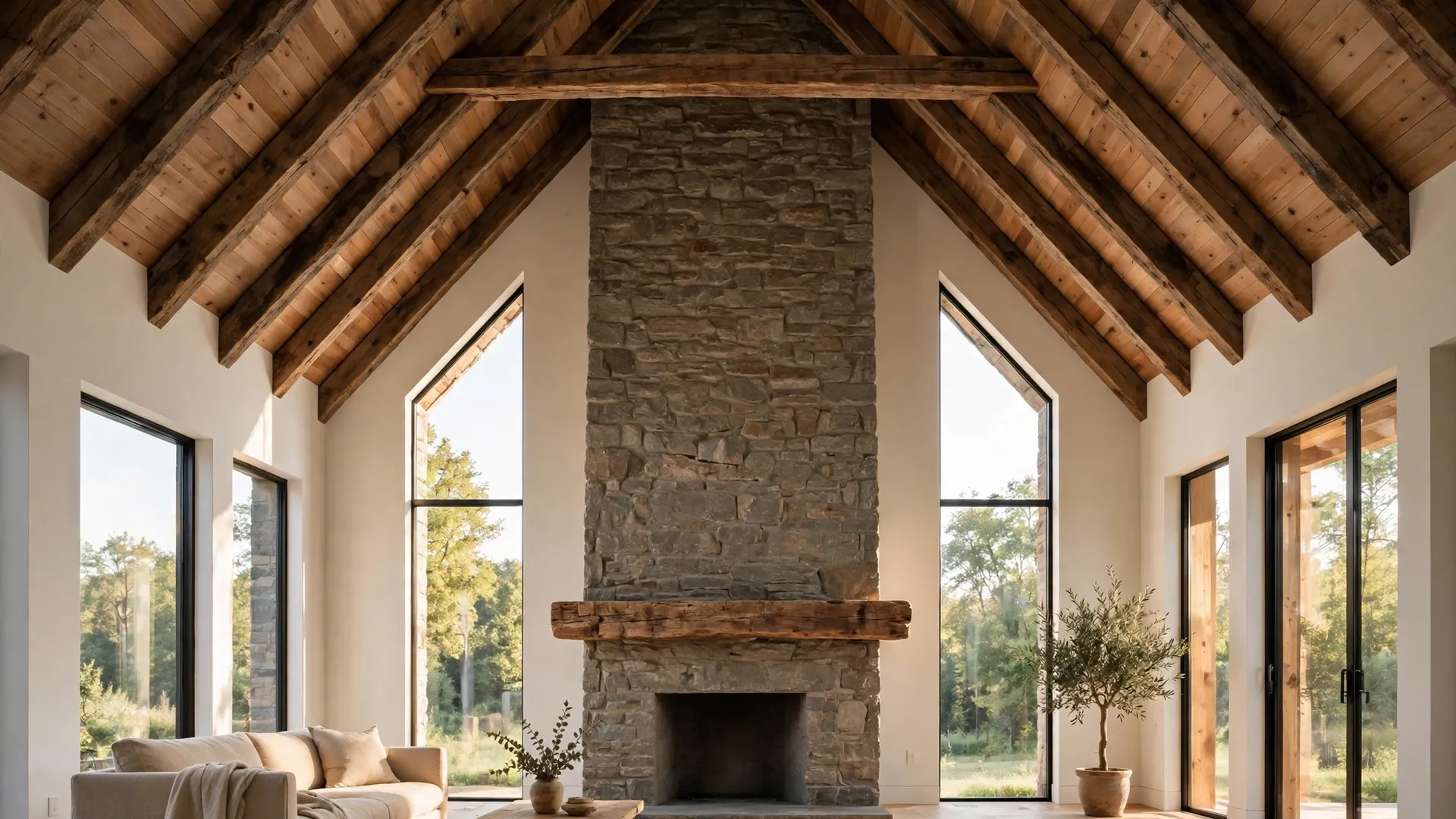
Gas fireplaces give you more freedom. Direct-vent gas units pull combustion air from outside and send exhaust back out, so the surrounding wall stays far cooler. Many gas manuals allow mantel shelves as close as 8 to 10 inches above the opening, which creates that sleek, modern stacked look. Electric fireplaces are the most forgiving of all, since they produce no real flame and vent nothing, so their clearances are the smallest. Always read the manual first, because the manufacturer knows the heat profile of your exact model better than any blog post ever will.
Mounting a TV Above the Mantel Changes the Math
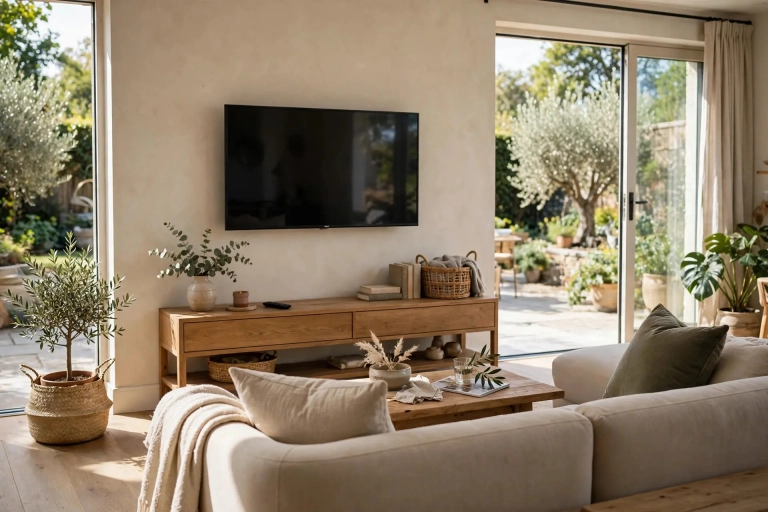
Here is where most homeowners get into trouble. They set the mantel at the classic height, hang a 65-inch television above it, and then wonder why their necks ache every movie night. The problem is simple geometry. A comfortable TV places the center of the screen roughly at eye level for a seated viewer, about 42 to 48 inches from the floor. A mantel shelf at 54 inches pushes the bottom of the TV to nearly 60 inches, which tilts every viewer's gaze sharply upward. The big question is whether the ideal fireplace mantel height changes when a screen hangs above it, and the honest answer is that it often should.
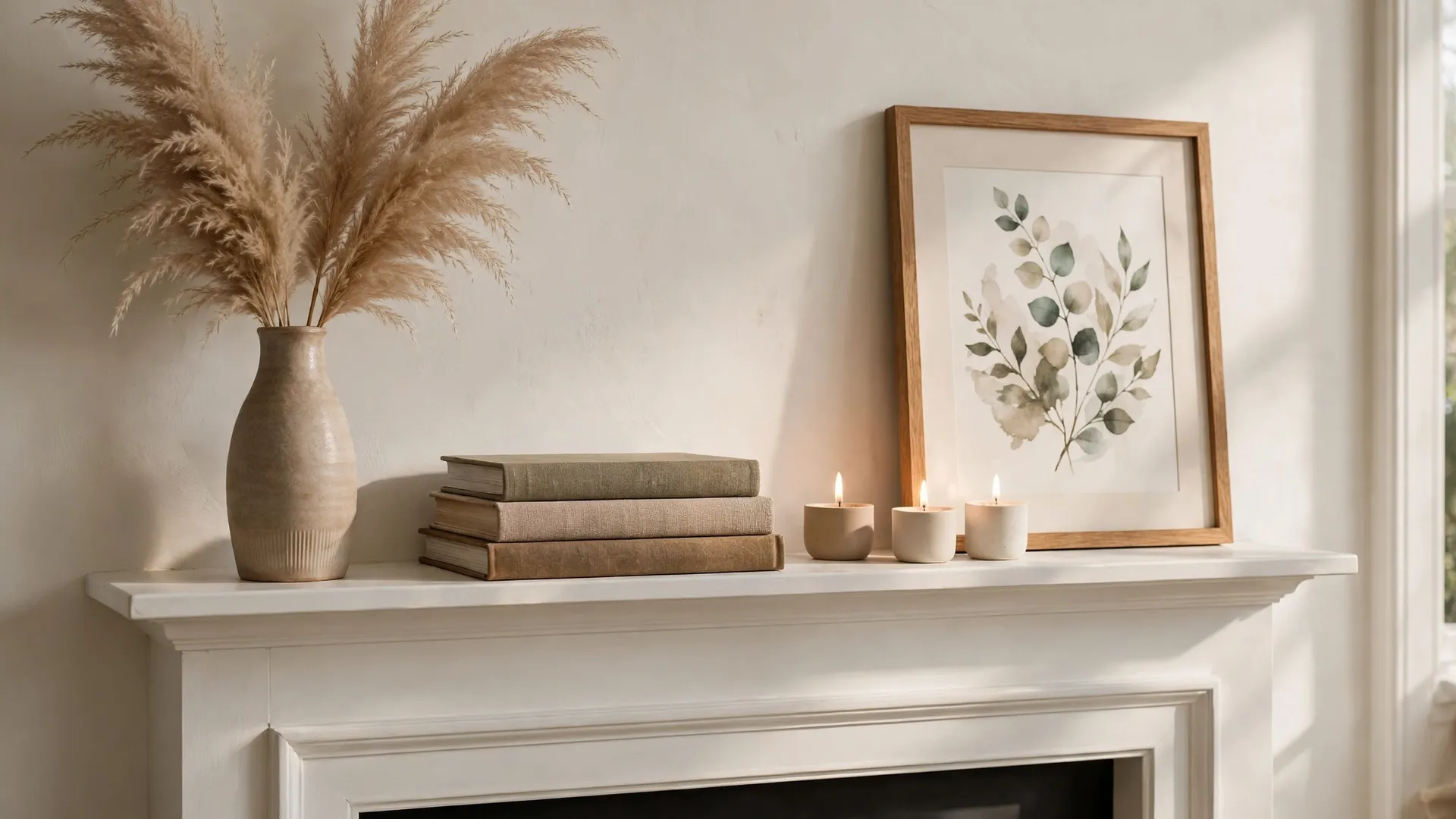
If a TV is definitely going above the fireplace, many installers drop the mantel shelf 4 to 6 inches below the classic number, landing the top surface around 48 to 50 inches. Leave a 4 to 6 inch gap between the mantel top and the bottom of the TV for ventilation. Tilt-mount brackets help too, angling the screen down toward the couch. And if anyone in your household already complains about neck strain, consider the alternative that home theater experts recommend most: mount the TV on an adjacent wall and let the mantel keep its perfect 54 inches.
When to Break the 54-Inch Rule on Purpose
Rules exist to guide you, and confident designers break this one all the time. Once you understand the standard fireplace mantel height, you can bend it deliberately and get a better room. Vaulted and cathedral ceilings are the clearest case. When your ceiling climbs to 10 or 12 feet, a mantel at 54 inches leaves a vast empty wall above it that makes the fireplace look small and lost. Raising the shelf to 58 or even 60 inches restores the balance and lets the fireplace hold its own against the height of the room.
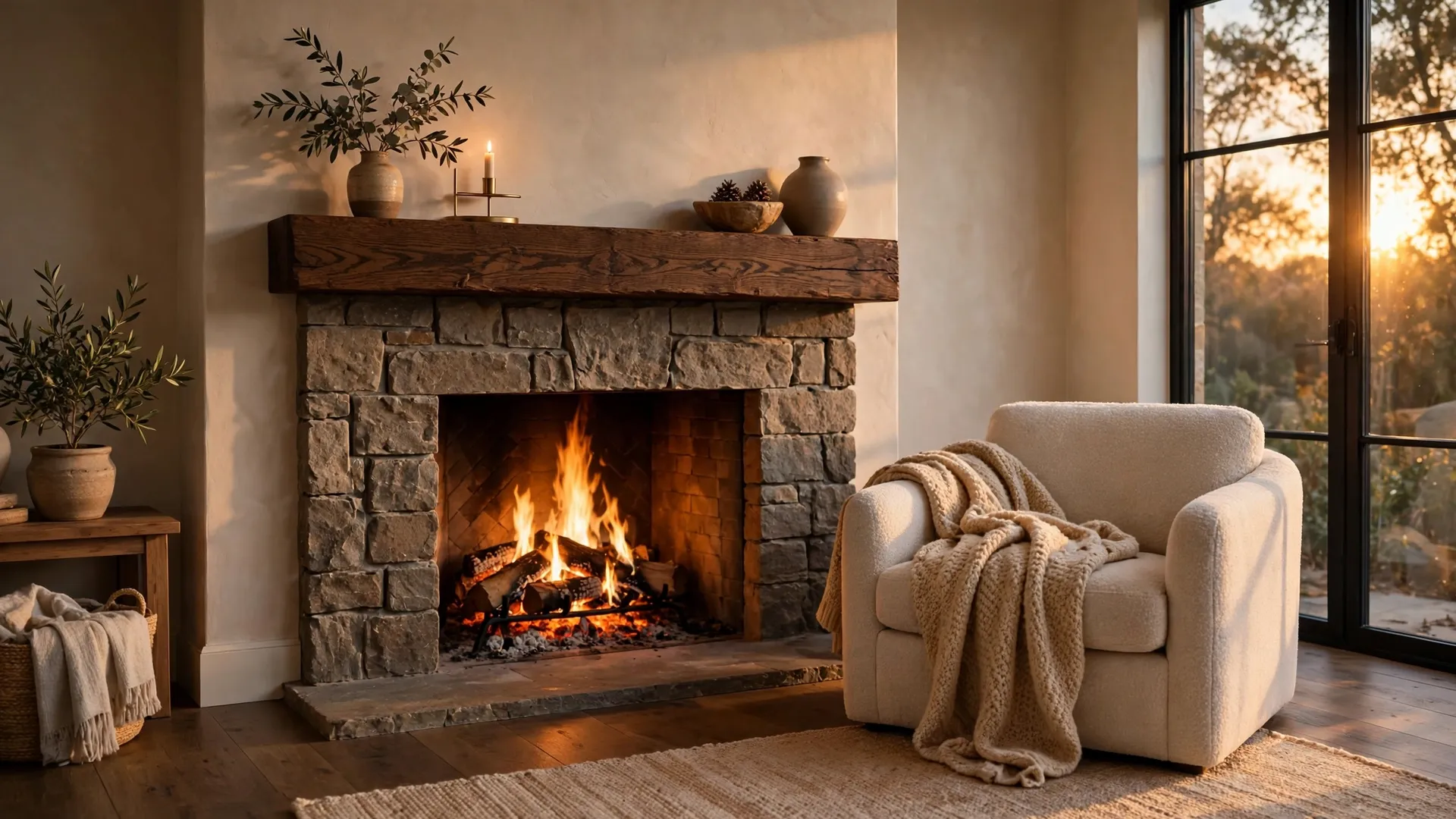
Oversized art and statement mirrors justify a higher mantel too. If you own a dramatic 40-inch painting that belongs over the fireplace, the mantel needs to sit high enough that the art clears it with breathing room. Work backward from the art. Place the center of the artwork at 57 to 60 inches from the floor, then set the mantel shelf 6 to 8 inches below the bottom of the frame. Low, modern linear fireplaces invite the opposite move. A sleek 20-inch-tall firebox in a minimalist room can carry a mantel at 50 inches beautifully. The key is intention. Measure first, decide the look you want, and then place the shelf where your design demands.
Decorating Around a Well-Measured Mantel
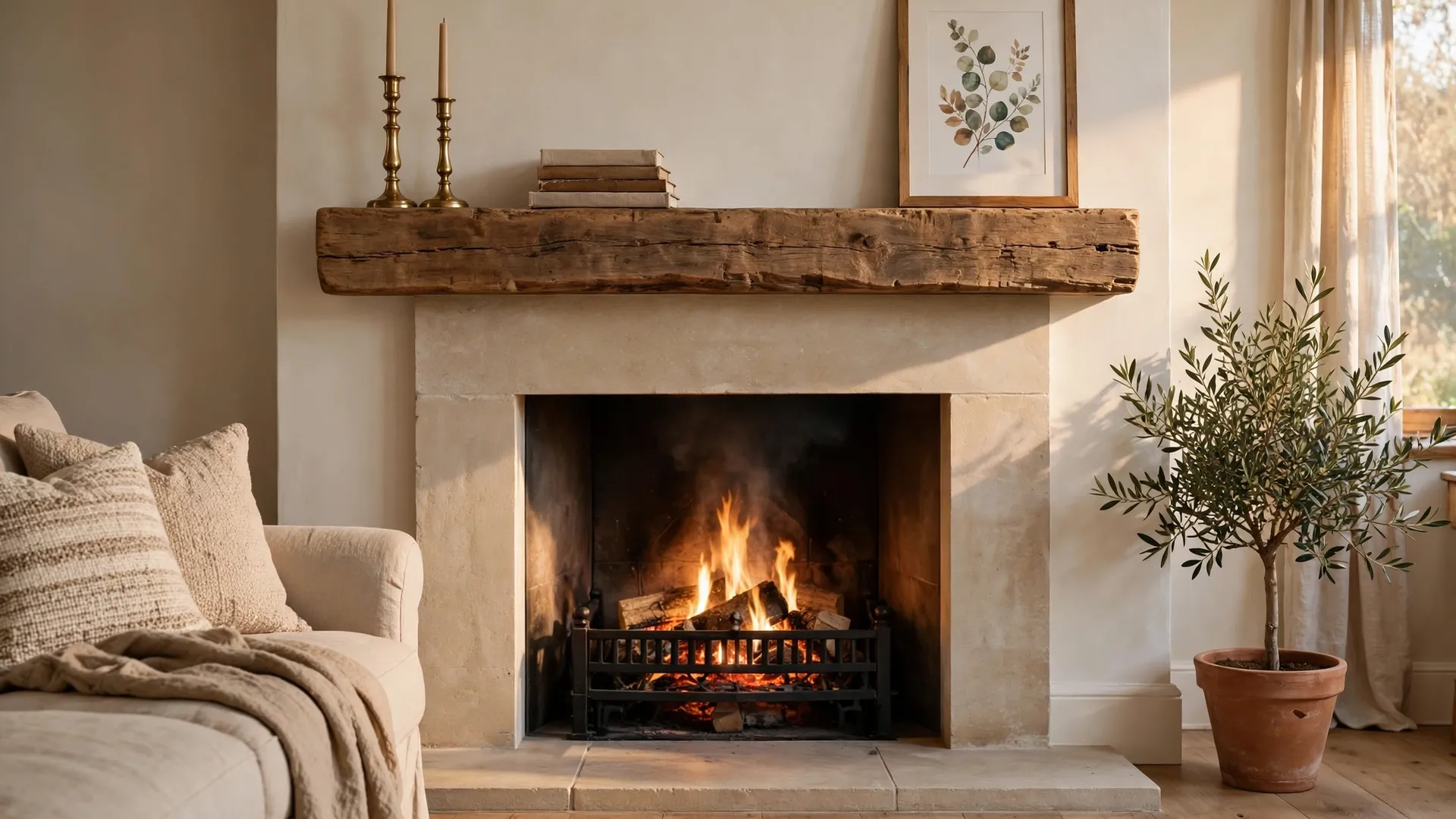
A correctly placed mantel makes decorating almost effortless, because every proportion already works in your favor. Start with the golden rule of mantel styling: vary heights. A tall vase or candlestick on one end, a low stack of books in the middle, and a medium frame on the other end creates the triangle of heights that designers reach for instinctively. Keep the tallest object below 24 inches so the arrangement reads as decoration rather than a second mantel. Leave breathing room between objects, because a crowded mantel fights the clean horizontal line you worked so hard to place.
Getting the Height Right the First Time
Dana eventually fixed her fireplace. She raised the beam to meet the code clearance, restaged the wall, and now the room feels the way she originally pictured it. Her lesson cost her a carpenter's return visit and a scorch mark she still jokes about. Yours can cost nothing. Getting the fireplace mantel height right comes down to three moves: learn the 54-inch starting point, measure your firebox clearance and ceiling, and adjust with intention for TVs, tall ceilings, and bold art. Respect the fire code every time, because safety is the one part of this project that is never optional. Measure twice, mount once.