What to Do Before First Frost: Cover, Harvest or Leave

The forecast says 34 degrees overnight and suddenly you have decisions to make before dark. Knowing what to do before first frost arrives is mostly a sorting problem. Some plants need rescuing tonight, some need a sheet thrown over them, and quite a few will be better tomorrow than they were today.
The panic usually comes from treating every plant the same. It is also where people waste an evening covering kale, which does not need it, while the basil they actually love turns black. Here is a triage system that takes about an hour, plus the small list of jobs that matter before the ground freezes rather than before the first frost.
First, Know Which Night You Are Dealing With
Frost and freeze are not the same event, and the response is different. The National Weather Service uses temperature bands for its alerts, and while the exact numbers vary slightly between local offices, the published thresholds are a useful reference point:
- Frost Advisory: lows forecast around 33 to 36 degrees. Tender plants can be damaged, hardy ones are fine, and covering works well.
- Freeze Warning: lows expected around 29 to 32 degrees. Tender annuals and warm season vegetables are finished unless protected, and even then protection is marginal.
- Hard freeze: 28 degrees or below for more than an hour. Sheets and row cover will not save anything tender. This is a harvest night, not a cover night.
One detail worth understanding, because it explains a lot of surprise damage. Official air temperature is measured several feet above the ground. On a clear, still night, the air right at ground level can be several degrees colder than the reading, so you can get frost on your plants when the forecast said 36. Clear skies plus no wind is the dangerous combination. Cloud cover or a breeze both reduce the risk considerably at the same forecast temperature.
Low spots in the garden collect cold air the way water collects in a dip. If one bed always frosts first, that is why, and it is worth remembering next spring when you decide where the tomatoes go.
The Three Bucket Sort
Walk the garden once and put everything into one of three groups. This is the whole method.
Bucket One: Harvest Tonight, It Is Over
These are warm season plants with no frost tolerance at all. A light frost damages them and a freeze kills them outright, so take what you can use.
- Basil. The most frost sensitive thing in most gardens. It blackens at temperatures other plants shrug off. Cut it all and make pesto, or strip the leaves and freeze them in oil.
- Tomatoes. Pick everything, including the green ones. Green tomatoes at the blush stage will ripen indoors on a counter. Fully green ones can go in a paper bag with a ripe apple or banana, or into green tomato relish.
- Peppers, eggplant, cucumbers, summer squash, zucchini, beans. Clear the lot. None of them improve after a cold night.
- Winter squash and pumpkins. Bring them in if the stems have hardened. The fruit itself tolerates a light frost better than the vines do, but a freeze damages the skin and ruins storage life.
- Tender herbs. Cilantro is tougher than people think, but basil, tarragon and lemon verbena want to come inside or be cut.
Bucket Two: Cover It and Buy More Time
This bucket is for things that would survive a light frost under cover and still have something to give you. The point of covering is almost never to save a plant for the winter. It is to get two or three more weeks out of it, because an early frost is very often followed by a warm stretch.
- Pepper plants with fruit still ripening on them
- Late tomatoes with a real chance of coloring up
- Tender annual flowers you are not ready to lose, especially dahlias, which often give you another flush
- Fall lettuce, chard and other salad greens, which handle light frost but keep growing better with protection
Bucket Three: Leave It Alone, Frost Helps
Here is the part that surprises people. Several crops genuinely taste better after a frost, because cold triggers them to convert starch to sugar as an antifreeze response.
- Kale and collards. Noticeably sweeter after a few frosts. Do not cover them.
- Brussels sprouts. Same story, and they hold on the stalk well into cold weather.
- Carrots and parsnips. Leave them in the ground and dig as needed. Parsnips in particular are often considered worth waiting for frost.
- Leeks, cabbage, spinach, mache. All cold hardy, all fine without help.
- Established perennials, shrubs and trees. They are built for this. Frost is their cue, not their enemy.
Covering bucket three plants wastes your row cover and your evening. Spend both on bucket two instead.
How to Cover Properly
Covering works by trapping heat radiating out of the soil. That one sentence explains every rule below, and it is why covers thrown on at 10pm do almost nothing.
- Water the soil in the afternoon. Moist soil holds and releases more heat overnight than dry soil. This is free and it genuinely helps.
- Cover before sunset, while the ground is still warm. Wait until after dark and most of the day’s heat has already left.
- Take the cover all the way to the ground and anchor the edges. Bricks, rocks, soil, landscape staples. A cover draped over the plant with open sides is a decoration. The seal at the ground is what matters.
- Keep plastic off the foliage. Where plastic touches a leaf, that leaf freezes. Use hoops, stakes, tomato cages or an upturned pot to hold the material clear of the plant. Fabric is more forgiving but still better held off.
- Uncover in the morning once temperatures are back above freezing. Leave plastic on through a sunny morning and you will cook what the frost missed.
On materials, old bed sheets, towels and blankets work well and you already own them. Purpose made floating row cover is better because it breathes and can be left on through mild days. Cardboard boxes and upturned buckets are perfectly good for individual plants. Plastic sheeting is the last choice, useful only over a frame and only overnight.
What Comes Indoors
Houseplants that summered outside should come in well before frost, not on the night of it. Most tropicals start sulking once nights drop below the mid 40s, so if you are reading this during a frost warning you are already late. Bring them in anyway.
Do not skip the pest check. Hose the foliage down, including the undersides of leaves, check the soil surface for anything moving, and keep the plants separate from your indoor collection for a couple of weeks. A single hitchhiking infestation spreading through a windowsill in November is a far bigger problem than one lost plant.
Tender bulbs and tubers follow a different schedule. Dahlias, cannas, caladium and gladiolus should be lifted after frost has blackened the foliage, not before. The frost is the signal. Cut the stems back, dig carefully, let them dry for a few days, then store somewhere cool and dark that stays above freezing.
Jobs for Before the Ground Freezes, Not Before Frost
These two deadlines get mixed together, which is why people rush things that can wait and skip things that cannot. The first frost is usually weeks ahead of the ground actually freezing.
- Shut off and drain outdoor spigots, and drain every hose. This one is genuinely urgent, because a burst pipe is the most expensive thing on this page. Do it before the first hard freeze.
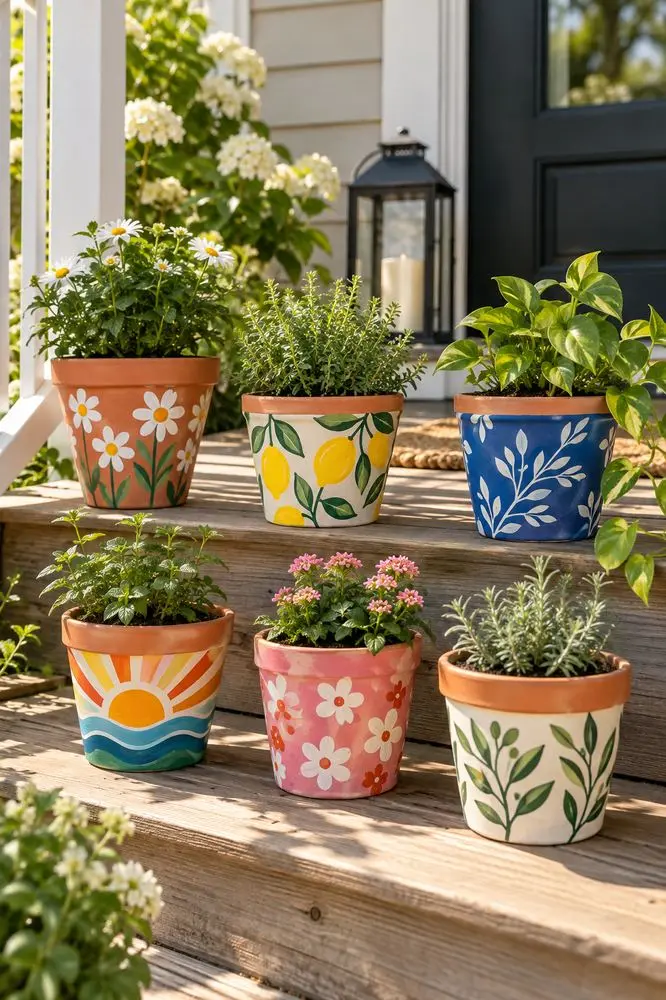
- Empty ceramic and terracotta pots or move them under cover. Water in the clay expands when it freezes and cracks the pot. This is the most common avoidable loss of the season.
- Drain fountains and birdbaths for the same reason.
- Plant spring bulbs while the soil is still workable. Frost does not stop you, frozen ground does. Timing and depth are covered in this fall bulb planting guide.
- Mulch after the ground has cooled, not before. Mulching too early keeps the soil warm and can confuse plants that should be shutting down. Correct depth matters more than timing, and this mulch depth guide has the numbers.
- Overseeding has its own window that closes earlier than most people expect, so check whether you still have time before buying seed. The fall overseeding timing rules help here.
What to Deliberately Leave Standing
The instinct after a frost is to cut everything to the ground. Resist some of it.
Seed heads on coneflower, rudbeckia, sedum and ornamental grasses feed birds through winter and look genuinely good under frost and snow. Hollow stems left standing give some beneficial insects somewhere to overwinter. Fallen leaves raked into beds act as free mulch and insulation.
What should come out is anything diseased, anything that was covered in pests, and anything that will turn to slimy mush and smother the crown underneath it, such as hosta and daylily foliage. The useful distinction is structure versus mush. Leave structure, remove mush. A fuller breakdown of that call is in this fall garden cleanup guide.
The One Hour Frost Night Checklist
- Check the forecast low and whether skies will be clear and calm.
- Water the beds you plan to cover.
- Harvest everything in bucket one, green tomatoes included.
- Cover bucket two before sunset, edges sealed to the ground.
- Bring in houseplants and any potted tender plants, with a pest rinse.
- Empty or move ceramic pots, drain hoses and shut off the spigot.
- Leave bucket three alone and go inside.
Frequently Asked Questions
At what temperature should I cover my plants?
Start covering tender plants when the forecast low is around 36 degrees or below, since ground level air can be several degrees colder than the official reading. Below about 28 degrees, covering tender plants rarely works, so harvest instead.
Will one frost kill my tomato plants?
A light frost usually damages the foliage and stalls the plant without killing it outright, and a freeze at 32 degrees or below generally finishes it. Either way, production essentially stops. Pick the fruit and let the rest go.
Can I use plastic to cover plants from frost?
Only over a frame that keeps it off the leaves, and only overnight. Plastic touching foliage conducts cold straight into it, and plastic left on during sun traps heat fast enough to cause damage. Fabric or row cover is the better choice in almost every case.
Should I cut everything back after the first frost?
No. Remove diseased, pest covered and mushy growth, and leave sturdy seed heads and grasses standing for winter interest and wildlife. Most perennial cutting back can wait until late winter or early spring.
How do I find my first frost date?
Average first frost dates are published by zip code or region through local extension services and weather sites. Treat the date as a planning tool only. It is an average, and any given year can run two or three weeks either side of it, so the actual forecast always beats the chart.
The Short Version
Sort the garden into harvest now, cover for more time, and leave alone. Water before you cover, cover before sunset, seal the edges to the ground, and uncover in the morning. Get the hoses and ceramic pots sorted before the first hard freeze. Then let the frost do its job, because for kale, carrots and parsnips it is an improvement rather than a disaster.