My New Sink Did Not Fit, and Standard Kitchen Sink Size Was the Lesson

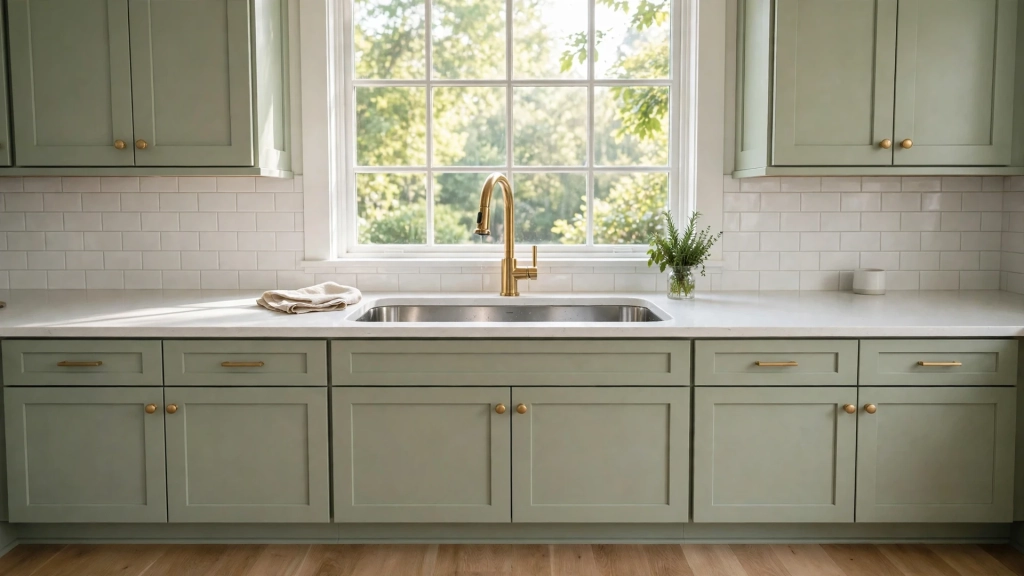
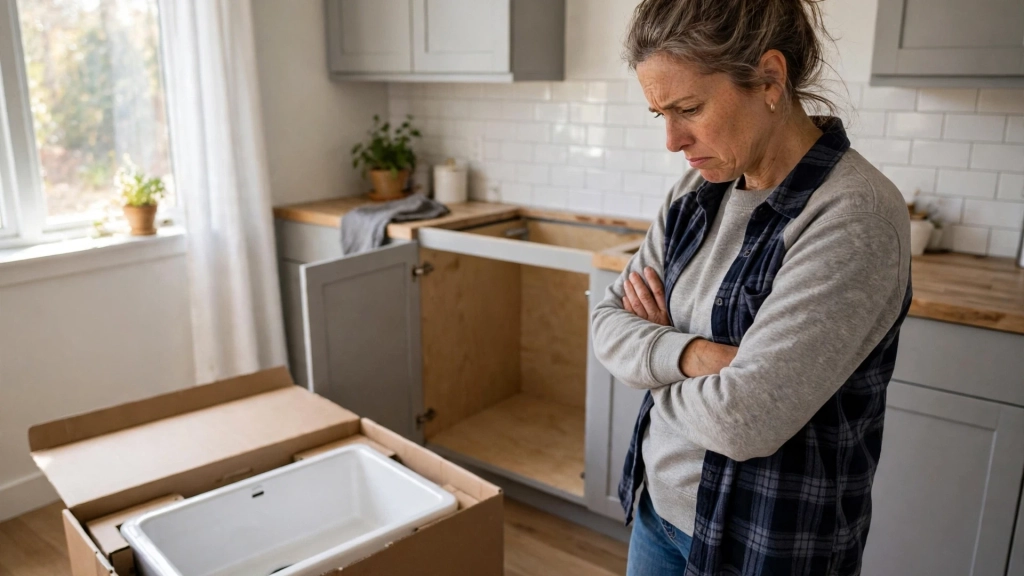
Three years ago, I stood in my kitchen with a brand new farmhouse sink that cost me nine hundred dollars, and it did not fit. The sink was beautiful. It was white fireclay, deep enough to hide a stack of dinner plates, and it looked perfect in the photos. The only problem was my base cabinet, which was three inches too narrow. The delivery crew took the sink back, and I paid a restocking fee that still stings when I think about it. That day I learned what standard kitchen sink size really means, and I learned it the expensive way.
This guide gives you the numbers, the measuring steps, and the mistakes to avoid, so you never pay that fee yourself. Grab a tape measure before you read on, because the best time to learn these numbers is before you fall in love with a sink in a showroom.
What Standard Kitchen Sink Size Actually Means
In most American homes, the standard kitchen sink size is 33 inches wide and 22 inches from front to back. The depth usually runs from 8 to 10 inches. These numbers come from the 36 inch base cabinet that sits under most kitchen sinks, and they have stayed steady for decades because they work. A 33 inch sink leaves just enough room for the cabinet walls, the mounting hardware, and a little breathing space on each side.
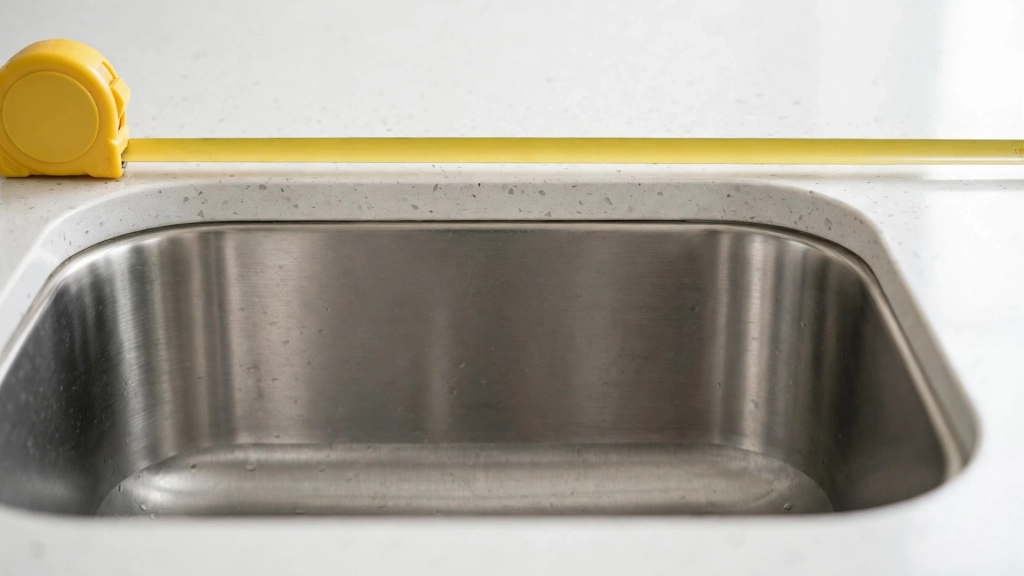
You will also see 30 inch and 25 inch sinks in stores. A 30 inch model suits a smaller kitchen or a 33 inch cabinet, and a 25 inch model fits a compact kitchen, a bar area, or an apartment. The 33 inch width stays the most popular because it holds large pots, baking sheets, and roasting pans without a fight. If you wash a lot of big cookware by hand, that extra width matters every single day.
The National Kitchen and Bath Association, known as the NKBA, suggests a sink base cabinet of at least 36 inches for a full size kitchen sink, and its planning guides help remodelers match sink width to cabinet width.
Why the 33 Inch Standard Kitchen Sink Size Fits Most Kitchens
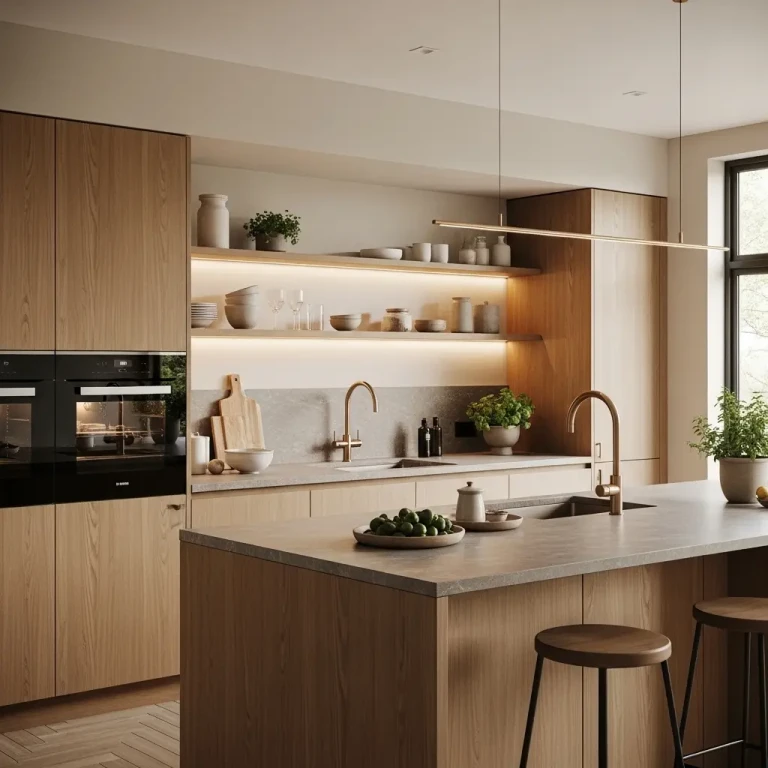
A standard kitchen sink size works so well because it matches the 36 inch base cabinet found in most kitchens. The cabinet gives the sink a strong home, the plumbing fits below without crowding, and the countertop keeps a clean edge around the basin. When the sink and the cabinet agree, the whole kitchen feels calm and easy to use.

A wide basin also changes how you cook. You can soak a sheet pan flat, rinse a stockpot without splashing water across the counter, and wash vegetables in a colander while the other side of the sink stays free. Families who cook most nights notice this difference fast. A narrow sink forces you to wash big items at an angle, and water ends up on the floor. A wide sink lets you work straight on, and cleanup takes less time.
Single Bowl or Double Bowl, Which One Serves You Better
A single bowl sink gives you one big open space, and it is the best choice if you wash large pots, baking sheets, and roasting pans by hand. You can lay a sheet pan flat, soak a stockpot, and rinse a whole colander of vegetables without bumping into a divider. Bakers and home cooks who use big trays love the freedom of a single bowl, and it also suits a modern kitchen with a clean, simple look.

A double bowl sink splits the space into two basins, usually in a 50/50 split or a 60/40 split where one side is larger. One side can hold soapy water while the other side rinses, and dirty dishes can hide on one side while the other side stays clear for cooking. Families with kids, people who hand wash a lot of dishes, and cooks who like to separate tasks often pick a double bowl. Some double bowl models now come with a low divider, which gives you the best of both worlds, because you can still slide a long pan across the middle when you need to.
How to Measure Your Cabinet Before You Shop
Measuring takes ten minutes, and it saves you from the mistake I made. Open the doors under your sink and look at the space with fresh eyes. You need three numbers, and you need them before you browse a single sink online or in a store.

First, measure the inside width of your base cabinet from one side wall to the other. Write that number down. A 36 inch cabinet usually gives you about 33 inches of inside space, which is why the 33 inch sink fits it so well. Second, measure from the front edge of the counter to the back wall, and leave room for the faucet deck behind the sink. Third, measure the depth from the top of the cabinet to the drain lines and the garbage disposal, because a very deep sink can crowd the plumbing below.
The Right Standard Kitchen Sink Size Starts With Your Cabinet
Before you fall in love with a sink, check your standard kitchen sink size against the inside of your cabinet, not the outside. Measure the inside width from wall to wall, then subtract about two inches for the cabinet sides and the mounting clips. Measure from the front edge to the back wall, and leave room for the faucet deck. Then open the cabinet doors and look at the plumbing, the disposal, and the drain lines, because a deep sink can crowd all of them.
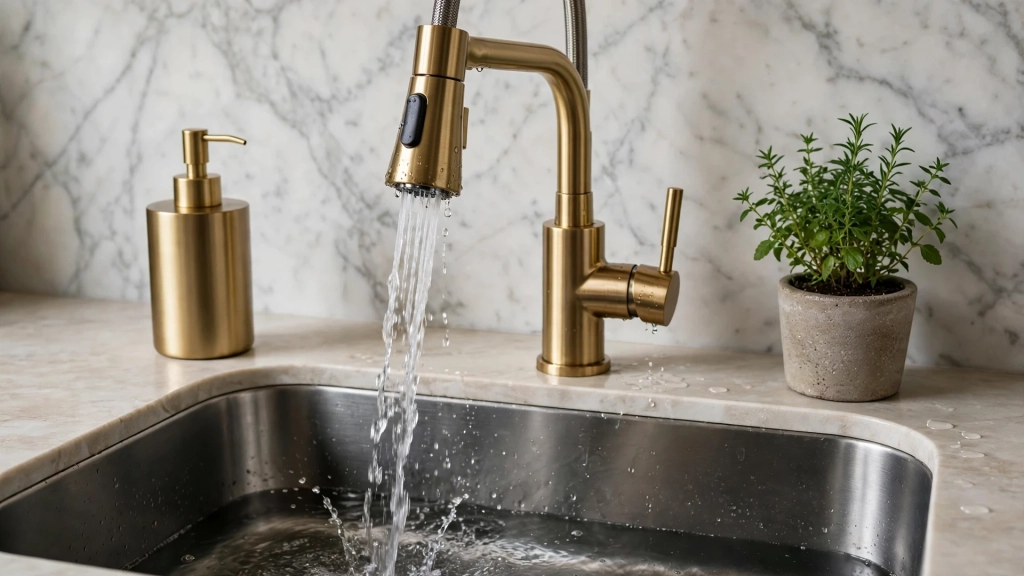
Pay attention to the faucet holes as well. Some sinks come with one hole, some with three, and some with four for a faucet, a sprayer, a soap dispenser, and a filtered water tap. Count what you need before you buy, because drilling a new hole in a stone or steel sink is not a job you want to attempt at home.
Mistakes That Turn a Simple Sink Swap Into a Headache
The first mistake is buying for looks before measuring, and I know it well, because I made it myself. The second mistake is picking a sink that is too deep. A 10 inch deep sink looks generous, but it can strain your back when you lean over it, and it can leave too little room for the garbage disposal and the drain pipes below. For most people, a depth of 8 to 9 inches is the sweet spot, deep enough to hide dishes and shallow enough to work at without bending too far.

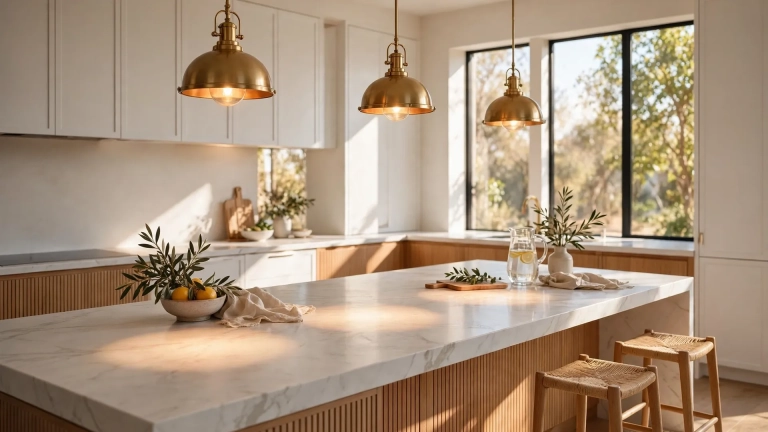
The third mistake is forgetting the farmhouse apron. An apron front sink shows its face on the front of the cabinet, and it needs a special cabinet cut or a new cabinet front. You cannot drop an apron sink into a standard cabinet without modifying it, so check with your cabinet maker before you order one. The fourth mistake is ignoring the mounting style. An undermount sink hangs below the countertop and needs a solid surface like granite, quartz, or solid wood. A top mount sink, also called a drop in sink, sits on top of the counter and works with almost any countertop, including laminate. Match the mounting style to your countertop, or you will face a second round of costs.
Materials and Mounting Styles Worth Knowing
Stainless steel is the most popular sink material for good reason. It resists stains, handles hot pots, and costs less than stone or fireclay. Look for 16 gauge steel if you want a thick, quiet sink, and 18 gauge if you want a lighter, budget friendly option.
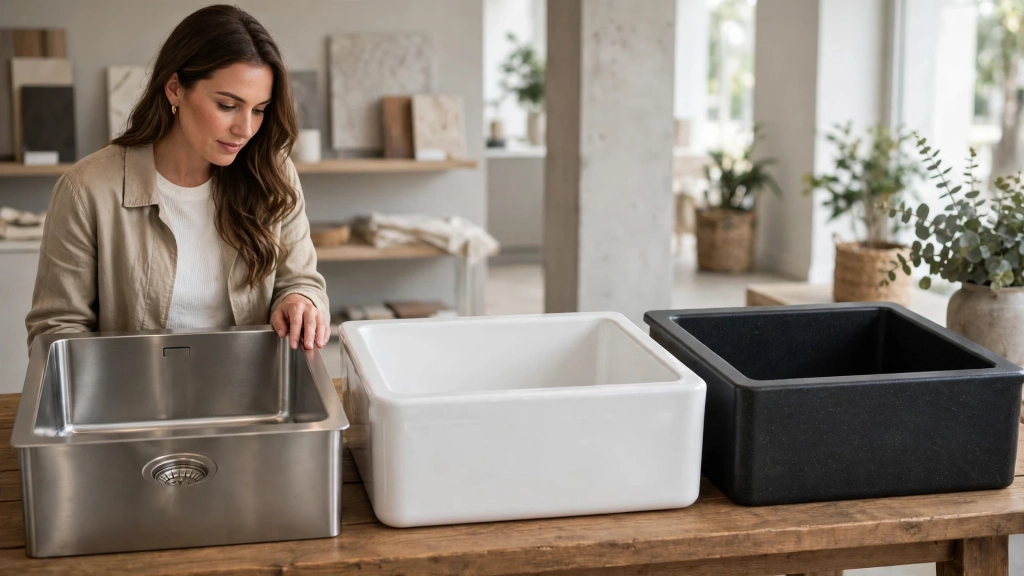
Fireclay gives you a classic white farmhouse look, and it resists scratches and heat, but it is heavy and needs a strong cabinet. Granite composite sinks, made from crushed stone and resin, offer a rich matte finish in black, gray, or brown, and they hide water spots well. Cast iron with an enamel coating feels solid and looks beautiful, but it can chip if you drop a heavy pot on it. Each material has a place, and the best one is the one that fits your budget, your style, and your cabinet strength.
Small Kitchens and Smart Alternatives
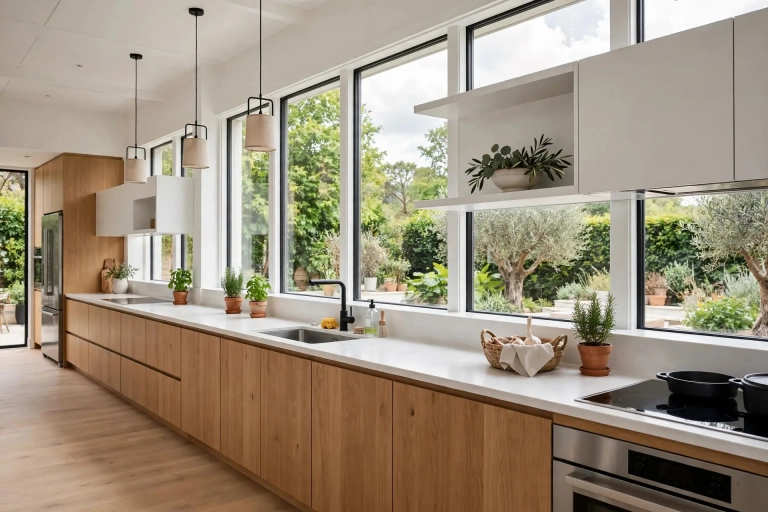
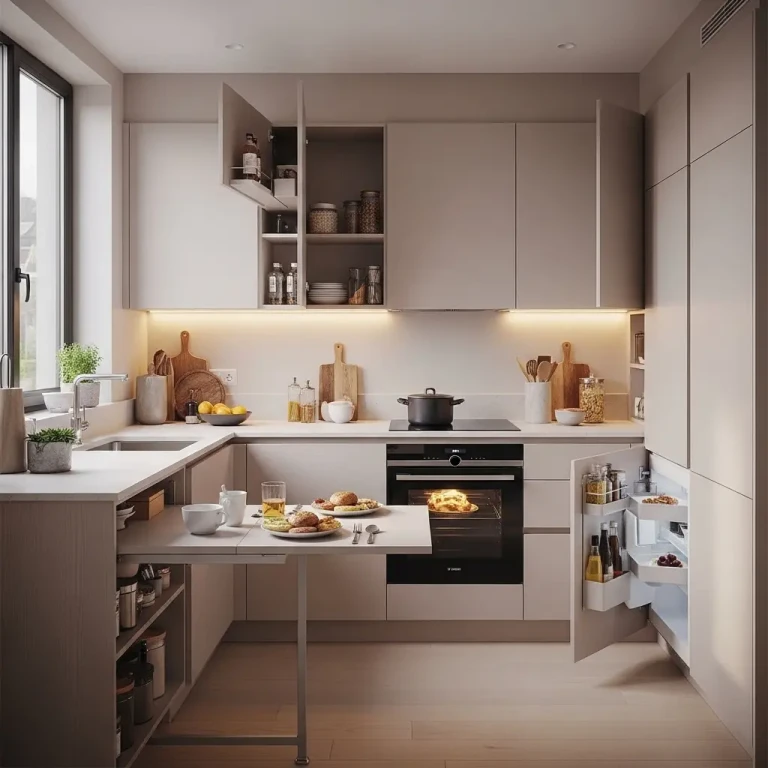
A small kitchen does not mean a small life, and a smaller sink can still serve you well. A 30 inch single bowl sink gives you nearly the same open space as a 33 inch model, and it fits a 33 inch cabinet with room to spare. A 25 inch sink suits a galley kitchen, an apartment, or a home where the dishwasher does most of the work. Pair a smaller sink with a pull down faucet, and you will still rinse big pots without a struggle.

The Bottom Line
When you know your standard kitchen sink size, you walk into the store with confidence instead of hope. You measure first, you match the cabinet, and you pick the bowl layout that fits your cooking. That is how a simple number saves you money, time, and one very awkward delivery day. Measure your cabinet tonight, write the numbers on a card, and keep that card in your pocket the next time you shop for your kitchen. Your future self, standing in a kitchen that works, will thank you for it.