My Neck Hurt for a Month Until I Learned the Standard TV Stand Height

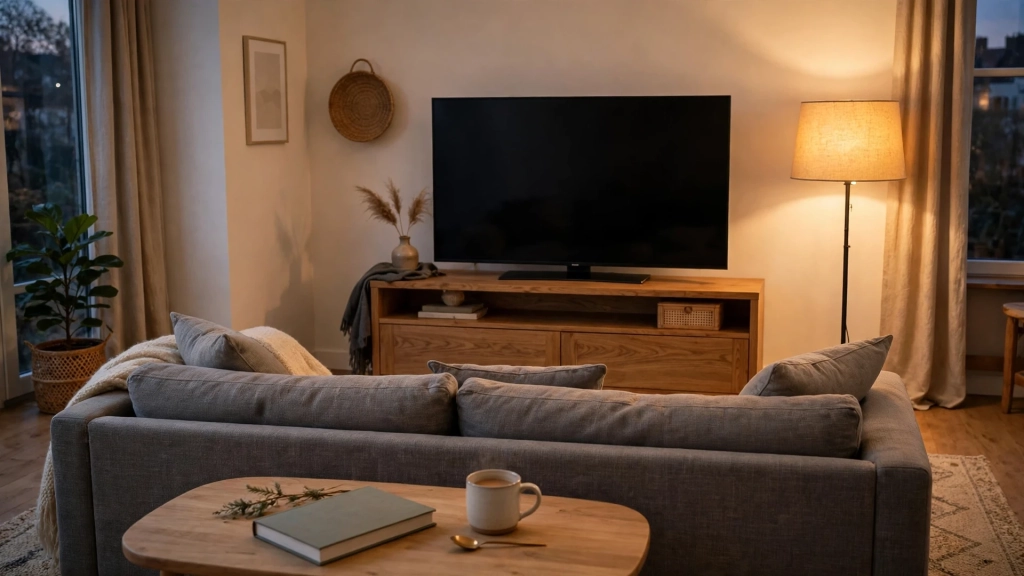
I still remember the evening I carried my new oak TV stand into the living room. It looked perfect in the store. The wood matched my coffee table, the shelves held my game console, and the price felt like a small win. I set my 65 inch television on top, sank into the sofa, and pressed play. Ten minutes later my neck started to ache. By the end of the movie I had a dull headache, and I kept shifting my cushions to find a better angle. The stand was the problem, not the television. It stood 36 inches tall, which pushed the middle of the screen well above my eyes. Every show forced me to tilt my head back a little, and that little tilt added up fast. That mistake taught me why the standard tv stand height matters more than the television itself. A stand that looks right can still feel wrong every single night.

What Is the Standard TV Stand Height?
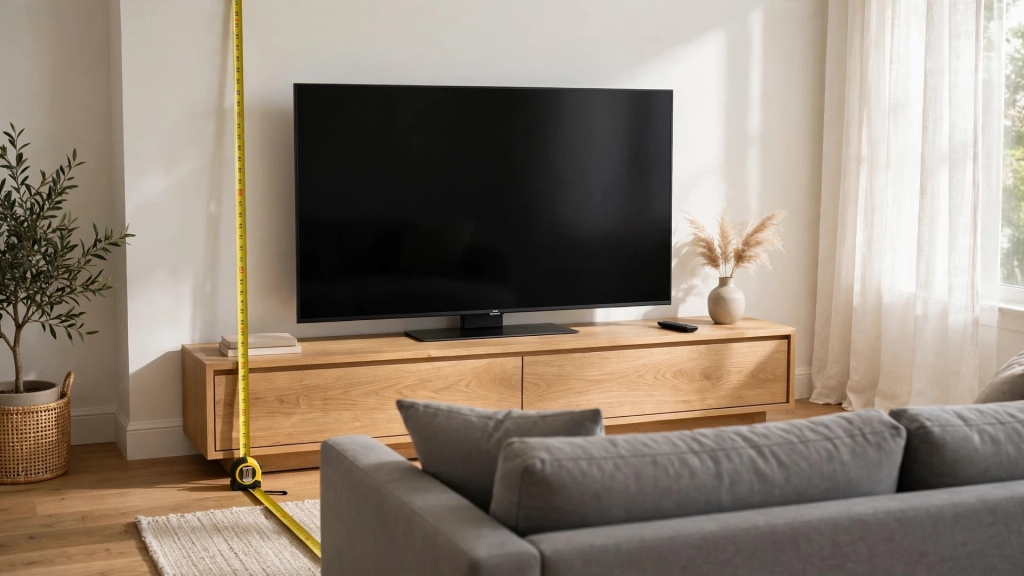
Most television stands sold in furniture stores measure between 24 and 32 inches tall. The sweet spot for most living rooms sits near 28 to 30 inches, and that range works because the average sofa seat sits about 17 to 19 inches off the floor. When you sit down, your eyes rest near 42 inches from the floor, and a stand in this range lifts the screen close to that line. So the standard tv stand height is not one magic number. It is a small range that fits most people, most sofas, and most televisions. The right pick inside that range depends on your seat, your television size, and how far you sit from the screen.
The 24 to 32 Inch Range
Low profile stands measure 18 to 24 inches tall. They suit low modern sofas and floor cushions, and they keep a large screen from towering over the room. Mid height stands run 24 to 28 inches, and they fit the classic three seat sofa found in most homes. Tall stands reach 30 to 32 inches, and they work well with high seat chairs, recliners, and bar height seating. A stand taller than 32 inches starts to feel like a cabinet, and it pushes even a modest television too high for relaxed viewing. Measure your seat first, then pick the stand height that keeps the screen near your eyes.
Why Eye Level Decides Everything
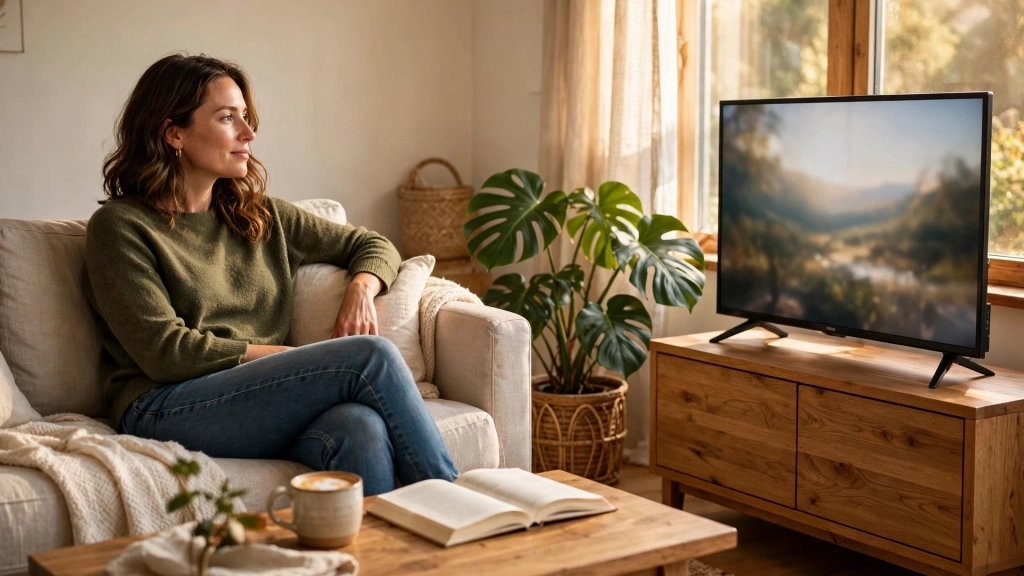
Your neck tells the truth about your setup. When the middle of the screen sits at your eye level, your head stays level, your shoulders stay loose, and a two hour movie feels easy. When the screen sits too high, the small muscles at the base of your skull work overtime, and that strain turns into headaches and stiff mornings. When the screen sits too low, you hunch forward, and your lower back pays the price instead. That is why the standard tv stand height exists. It puts the middle of your screen close to your natural line of sight, so your body can relax while you watch. Furniture makers, interior designers, and the Society of Motion Picture and Television Engineers all point to the same idea. The center of the screen belongs at eye level, and everything else follows from that simple rule.
The 42 Inch Eye Level Rule
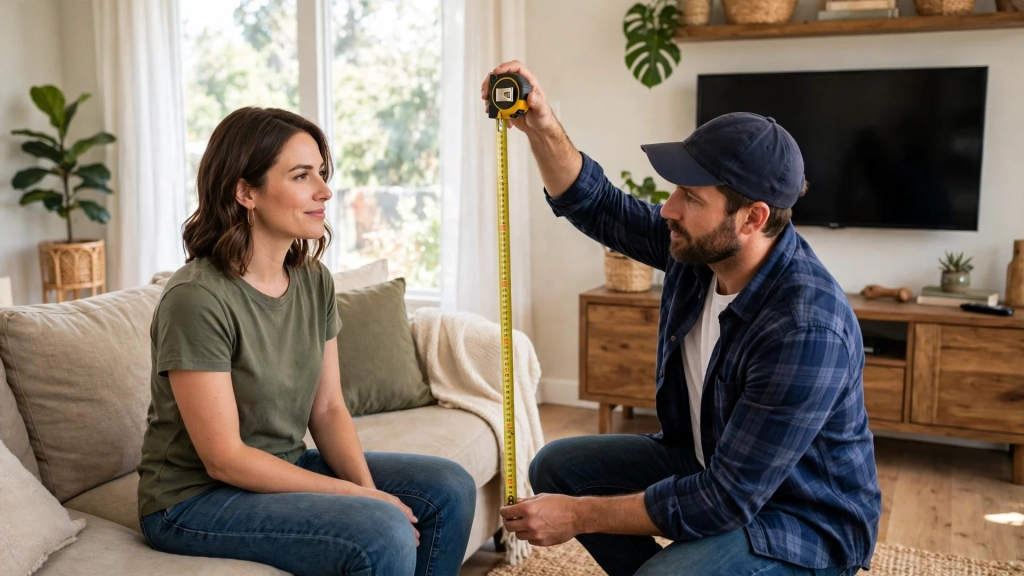
Sit on your sofa the way you normally watch television. Ask a family member to measure from the floor to the level of your eyes. Most adults land between 40 and 44 inches, and 42 inches is a safe average. Now measure your television. A 65 inch set stands about 33 inches tall, so its middle sits about 16 inches above its base. Subtract that from 42, and you get an ideal stand height near 26 inches. A 55 inch set stands near 28 inches tall, so its middle sits 14 inches up, and the math points to a 28 inch stand. A 75 inch set stands near 37 inches tall, so the ideal stand drops to about 24 inches. This simple math beats guesswork every time, and it takes less than five minutes.

How to Find the Right Standard TV Stand Height for Your Room
Start with your own body, not a catalog photo. Sit on the sofa you use every night, rest your feet flat on the floor, and look straight ahead at the blank wall. Mark that eye level spot with a small piece of tape. Then measure the height of the tape from the floor and write the number down. Next, check your television size and work out where the middle of the screen will sit on each stand you like. If the middle lands within a few inches of your tape mark, the stand will feel right. If it lands six inches or more above the mark, keep shopping.
Match the Stand to Your Sofa
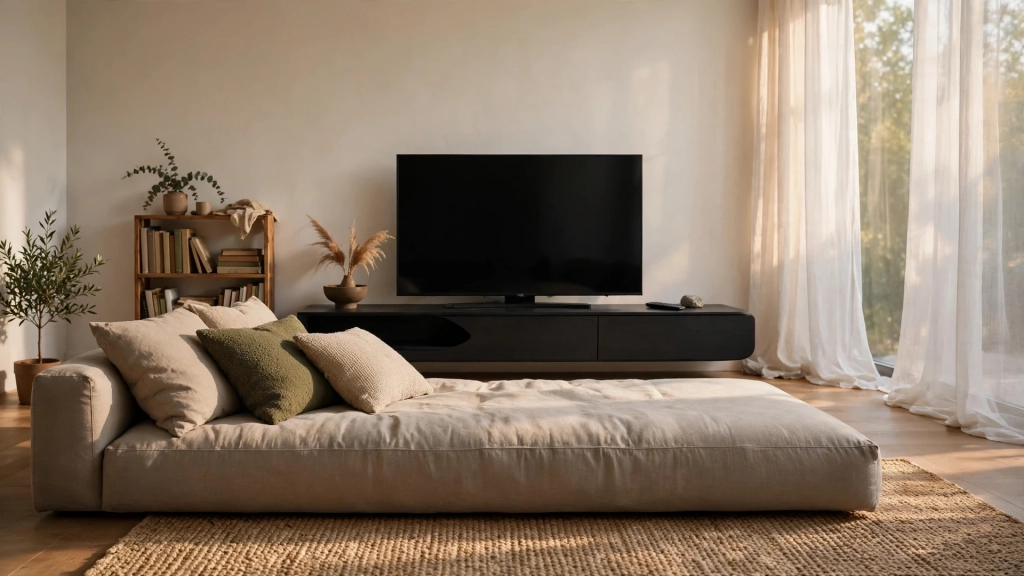
A low modern sofa with a 16 inch seat pairs well with a 24 inch stand. A classic sofa with an 18 inch seat feels best with a 26 to 28 inch stand. A recliner that lifts you to a 20 inch seat height needs a 30 inch stand to keep the screen level with your eyes. Deep seats change the math too. When you sink back into a deep sofa, your eye level drops a little, so a slightly lower stand works better. Always test the pair together. Sit, look, and trust what your neck says.
TV Size Changes the Math
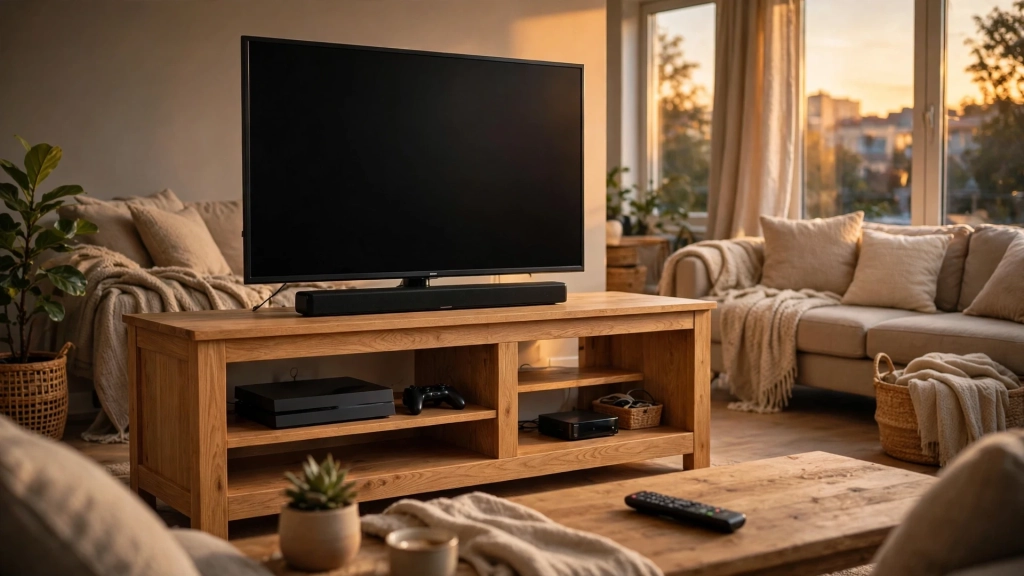
A bigger television needs a lower stand, and that surprises most buyers. The screen grows upward from its base, so a 75 inch or 85 inch set lifts its own middle higher than a 55 inch set does. Put a huge television on a tall stand, and the middle of the screen can climb past 50 inches, which forces every viewer to look up. That is why home theater designers pair large screens with low media consoles near 20 to 24 inches tall. A smaller television needs the opposite treatment. A 43 inch set on a 20 inch stand leaves the screen near your knees, so a 28 to 30 inch stand lifts it into a comfortable spot. Match the stand to the screen, not to the wall.
Mistakes That Ruin the View
The most common mistake is to ignore the standard tv stand height and buy the stand that looks best in the photo. A tall farmhouse cabinet looks charming online, but it can push a 65 inch television past 55 inches at the middle of the screen. A floating shelf mounted at picture height creates the same problem. The second mistake is to forget the soundbar. A soundbar adds two to four inches under the television, and it can block the bottom of the screen when the stand is too short. Leave a few inches of breathing room above the soundbar. The third mistake is to pick a stand narrower than the television. A screen that hangs past the edges looks unsafe, and it tempts children to climb. Choose a stand at least a few inches wider than the set on each side.
Buying for Looks Instead of Comfort
Showrooms reward tall furniture. A tall stand fills a blank wall and photographs well, but your living room is not a showroom. Sit on your own sofa, look at the height you marked, and let comfort win over style. You can still get the look you love. Pick a wider stand in the right height, or choose a low console with tall storage towers on the sides.
Forgetting the Soundbar and Consoles
Game consoles, cable boxes, and streaming sticks need air and easy reach. A stand with open shelves near the top keeps remotes in reach and lets heat escape. A closed cabinet with glass doors hides the clutter and still lets signals pass through. Plan the shelf space before you buy, and count your devices.
When to Break the Rule
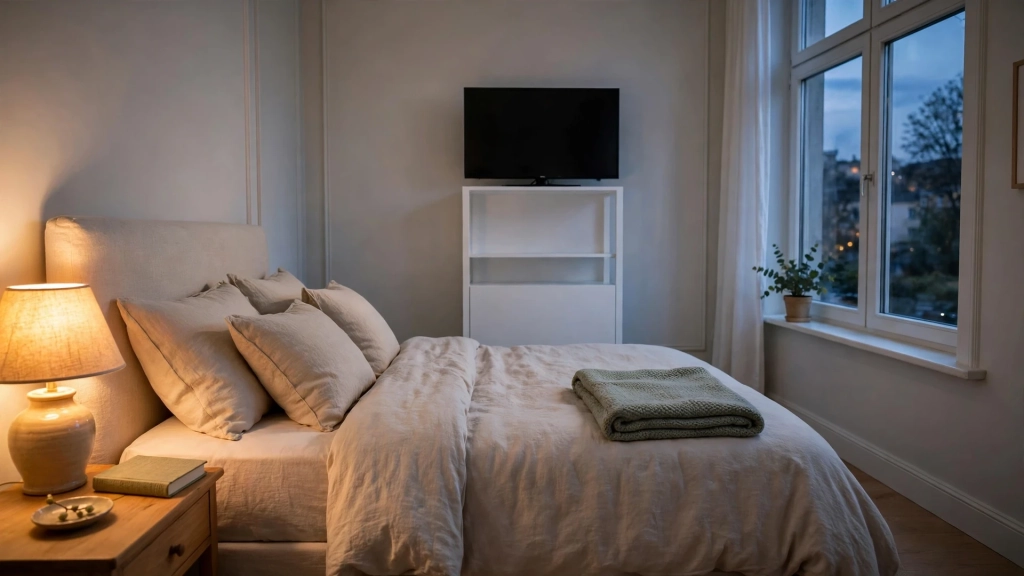
Rules serve most rooms, but some rooms need their own answer. A bedroom television works differently, because you watch it lying down, and your eye level rises with the pillows. A taller stand near 30 to 32 inches often feels better there. A playroom needs the opposite. Children sit on the floor or on small chairs, so a low stand near 20 inches keeps the screen in their line of sight. A wall mount gives you full control, and it lets you set the exact height for your seat.
When the Standard TV Stand Height Does Not Fit Your Room
Renters face another twist. A stand you love may not suit the next apartment, so pick a height that fits most seats and use a tilting wall mount for the rest. A swivel stand also helps in open plan rooms, because it turns the screen toward the kitchen or the dining table without lifting it. If your room has a fireplace, resist the urge to mount the television above it. The heat dries out the screen, and the height strains every neck in the room. A low stand beside the fireplace keeps the screen safe and your evenings comfortable.
A Small Number With a Big Payoff
The standard tv stand height gave me back my evenings. I swapped my 36 inch cabinet for a 26 inch oak console, and the change felt instant. My neck stopped aching, my shoulders dropped, and movie nights turned fun again. The new stand cost less than the old one, and it holds the same console, the same soundbar, and the same stack of movies. Measure your eye level, do the five minute math, and pick the stand that meets your eyes. Your living room will thank you every night.