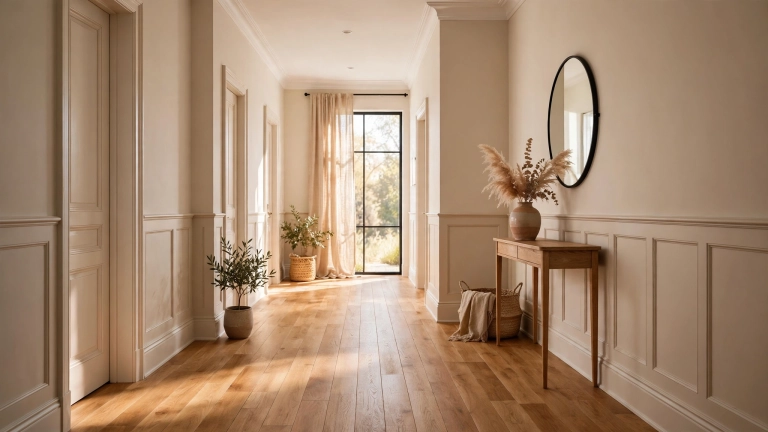
The 18 Inch Rule: Why the Standard Bench Height Changed Every Room in Our Home


My sister called me one Saturday morning, and she sounded defeated. She had just bought a beautiful oak bench for her dining table. It looked perfect in the store, but at home something felt wrong. Her kids kept sliding off the edge, her husband hit his knees on the table apron, and every meal felt like a balancing act. The bench was only two inches too tall, but those two inches ruined dinner.
That phone call taught me a lesson I never forgot. A bench is not just a pretty seat. Its height decides whether your family eats in comfort, whether you can tie your shoes at the door without a struggle, and whether the end of your bed looks calm or cluttered. The standard bench height is 18 inches from the floor to the top of the seat, and that single number is the secret behind benches that feel right.
Once I learned the 18 inch rule, I started seeing benches differently. The good ones all shared the same quiet magic. They matched the height of the chairs around them, they let people sit with their feet flat on the floor, and they never made anyone work to stand back up.
This guide covers dining benches, entryway benches, and bedroom benches, plus the simple measuring trick that takes five minutes and saves you from an expensive return.

What Is the Standard Bench Height, Really?
Eighteen inches sounds simple, but it comes from real human bodies. Most dining chairs sit 17 to 19 inches high, and the middle of that range is 18 inches. When your feet rest flat on the floor and your knees bend at a relaxed right angle, you are sitting at the height your body expects.

Furniture makers settled on this number because it works for the widest range of people. A child can climb onto an 18 inch seat without a boost, and an older adult can stand up from it without pushing hard on the table.
That said, the 18 inch rule is a starting point, not a prison. A bench with a thick cushion will sit a little higher once the foam compresses under your weight, so many makers build the wooden frame at 16 or 17 inches and let the cushion bring the total to 18.
Dining Benches: Where Two Inches Change Everything
The dining room is where bench height matters most, because you sit there longest and the table sets a second height you must match. Most dining tables stand 29 to 30 inches tall, and the gap between the bench seat and the tabletop should be 10 to 12 inches. An 18 inch bench under a 30 inch table gives you exactly 12 inches of legroom, and that is the sweet spot.
My sister's bench was 20 inches tall, so her family had only 10 inches of space, and the table apron stole another inch. Her husband kept bumping his knees on the wood, and her seven year old daughter had to perch on the edge because her feet could not reach the floor. Most dining tables sit 30 inches high, so the standard bench height pairs with them the way a good lid fits a pot, and the 18 inch seat keeps knees clear and feet grounded.
A dining bench also changes how many people fit at the table. Chairs take up about 18 to 20 inches of width each, but a bench lets people slide together and share the space. A good rule is to allow 24 inches of bench length per person, and a 60 inch bench seats two adults in comfort or three children without a fight.
Entryway Benches: The First Seat of the Day
The bench by your front door works harder than any other bench in the house. It holds your bag while you hunt for your keys, it gives you a place to sit while you pull on winter boots, and it catches the mail and the dog leash on their way out the door.

An entryway bench follows the same standard bench height rule, but it has one extra job. It should sit low enough that you can bend down to tie a shoe without straining, and high enough that you can stand up with a heavy coat and a bag in one hand. Eighteen inches does both jobs, which is why you see it in mudrooms, hallways, and foyers across the country.
Storage changes the picture a little. Many entryway benches hide cubbies or baskets underneath. If your bench has shoe storage below, measure from the floor to the top of the cushion, not to the top of the wooden frame, because the cushion is what your body meets.
Bedroom Benches: The Quiet Finishing Touch
A bench at the foot of the bed does a different job from a dining or entryway bench. You rarely sit on it for a full meal, but you use it every single day. You sit on it to put on socks in the morning, you lay out tomorrow's clothes on it at night, and you toss the throw blanket on it when the room gets warm.

The mattress sets the height here. Most beds, including the frame and the mattress, stand 22 to 25 inches tall, so a bench that is 18 inches high sits a few inches below the mattress top. That small step down looks intentional and calm, while a bench that matches or tops the mattress looks bulky and crowds the room. The standard bench height works in the bedroom for the same reason it works at the table, because your body expects the same seat height wherever you sit.
Bedroom benches are usually longer and slimmer than dining benches. A queen bed is 60 inches wide, so a bench of 48 to 54 inches looks balanced at its foot, and a king bed pairs well with a bench of 60 to 66 inches. Keep the bench 16 to 18 inches deep so it gives you a real seat without stealing the walking space at the end of the bed.
How to Measure for the Right Standard Bench Height
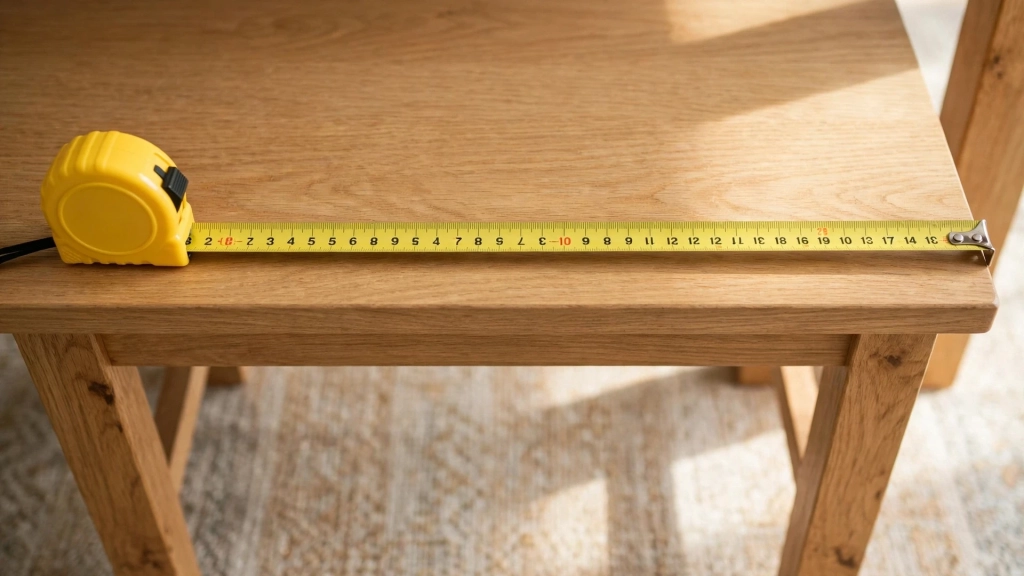
You do not need fancy tools to get this right. A tape measure, a stack of books, and five minutes are enough.

First, measure your table or your bed, because the bench must match the furniture it serves. Write down the table height and subtract 12 inches. That number is your ideal bench seat height. If your table is 30 inches tall, your bench should be 18 inches.
Second, test the height with your own body before you buy. Stack hardcover books on a dining chair until the pile reaches the height you are considering, then sit on it with your feet flat on the floor. Stand up without using your hands. If any part feels like work, change the height by an inch and test again.
Third, measure your doorways and your hallway before the delivery truck arrives. A long bench is awkward to carry, and a bench that cannot turn the corner into your dining room is a bench that lives in the garage.
The Mistakes That Make a Good Bench Feel Wrong
The most common mistake is buying a bench for looks alone and never sitting on it first. A bench with a gorgeous live edge top can still be the wrong height, and no amount of beautiful wood fixes knees that hit the table. Always sit before you pay, and if you buy online, check the return policy before you click the button. Remember that the standard bench height matters because it is the number your body already knows, so a bench that ignores it will fight you at every meal.

The second mistake is forgetting the cushion. A bench that measures 18 inches bare will measure 20 inches with a thick cushion, and that changes the whole fit. Ask the seller for the seat height with the cushion included.
The third mistake is placing the bench too close to the wall or the table. A dining bench needs at least 24 inches of space behind it so people can slide in and out, and a bedroom bench needs at least 30 inches at the foot of the bed so you can walk around it in the dark. Measure the room, not just the bench.
Style Ideas That Work at Any Height
Once the height is right, the fun starts. A reclaimed wood bench brings warmth to a modern dining room, and a black metal frame with a wooden seat suits a farmhouse kitchen. In the entryway, a bench with hooks above it turns a blank wall into a working mudroom. In the bedroom, a bench in the same fabric as your headboard ties the room together. Felt pads protect wood floors, and a washable slipcover saves a white bench from children and pets.

Bringing It All Home
My sister returned her 20 inch bench and measured her table before she shopped again. She found an 18 inch oak bench with a slim cushion, and the first dinner on it felt like a different house. Her daughter's feet touched the floor, her husband's knees cleared the table, and nobody slid off the edge.

That is what the standard bench height does. It disappears into the background and lets the meal, the morning routine, or the quiet moment at the end of the bed take center stage. You do not notice an 18 inch bench. You notice the comfort it gives you, every single day.
Before you buy, remember the three numbers that matter. Eighteen inches for the seat, 10 to 12 inches of space under the table, and 24 inches of bench per person. Take your tape measure to the store, and sit on every bench before you decide. Your knees, your feet, and your family will thank you.