The 57 Inch Rule: The Standard Wall Art Size That Fixed My Blank Walls


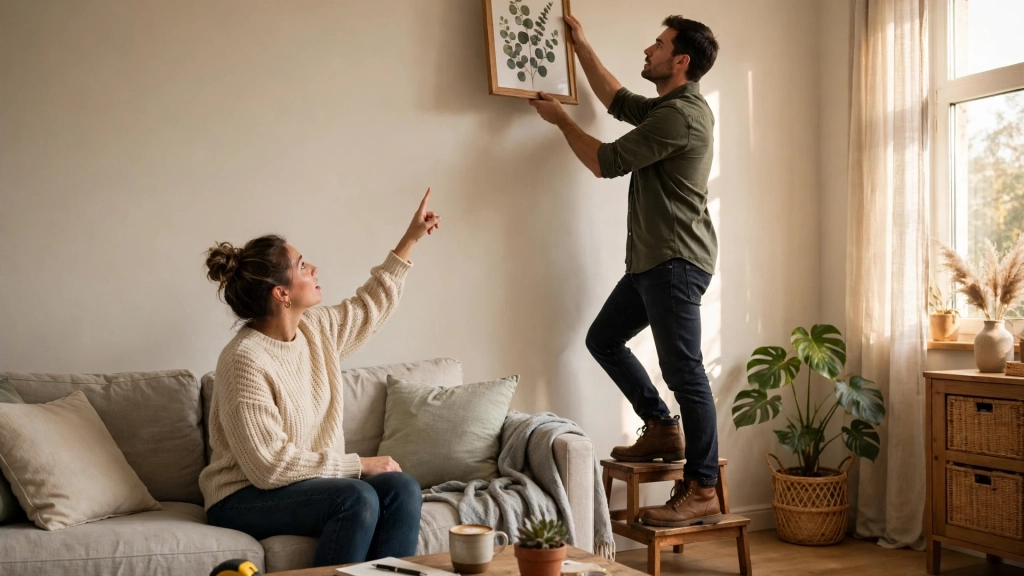
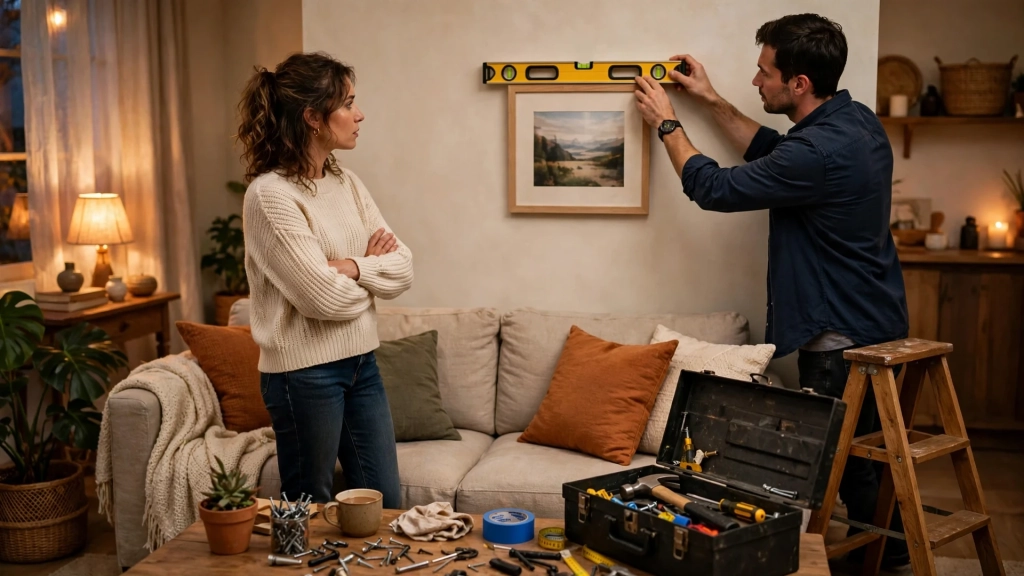
Three years ago, I stood on our sofa with a hammer in one hand and a framed print in the other. The print was a gift from my sister, a soft watercolor of a mountain lake, and I loved it. I held it up, marked a spot that felt right, and drove the nail in. Then I stepped back. The print hung high above the sofa like a small island in a big empty sea. It looked lost. My wife walked in, tilted her head, and asked, "Why is it so high?" I had no answer. I had never heard of the standard wall art size, and my wall showed it. That weekend, I learned the simple math that makes a wall feel right. I moved the print down by eight inches, and the whole room changed. The sofa and the art finally talked to each other. This guide shares what I learned, so your walls never look lost again.

What Is the Standard Wall Art Size, Really?
The short answer is simple. The center of your art should sit 57 inches above the floor. Museums and galleries use this height because it matches the average eye level of a standing adult. When the center of a picture sits at 57 inches, most people look straight at it without tilting their head up or down. That is the heart of the rule. But height is only half the story. Width matters just as much. A good rule says your art should fill about two thirds of the furniture below it. So a sofa that is 84 inches wide pairs well with art that is about 56 inches wide. Think of the standard wall art size as a starting point, not a strict law. It gives you a center height and a width range, and then your room does the rest.
Why 57 Inches Is the Magic Number
The number 57 did not come from nowhere. It comes from the average eye level of adults. Most adults stand between five foot four and five foot ten, and their eyes sit near 57 inches from the floor. Galleries hang their best work at eye level for the same reason. Your home works the same way. When art hangs at 57 inches, guests see it the moment they walk in. The rule also helps with more than one piece. If every piece shares the same center line, the wall looks calm and planned. In a kids room, drop the center to 48 inches so little eyes meet the art. The number bends a little. The idea never changes.
How to Find the Center of Any Piece
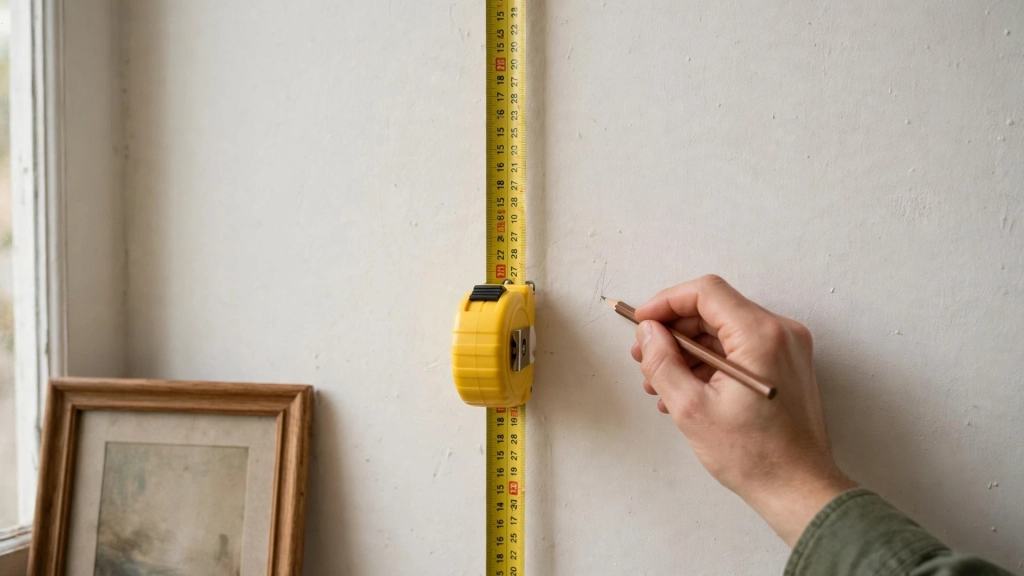
Finding the center takes less than a minute. Measure the height of your framed art from top to bottom. Divide that number by two. That is your center. Now measure 57 inches up from the floor and make a small pencil mark on the wall. That mark is where the center of your art belongs. The hook or wire sits a little above the center, so measure the gap between the top of the frame and the wire, and add it to your mark. Step back, sit on the sofa, and look. If the art meets your eyes, you found the right spot.
Sizing Art Above a Sofa
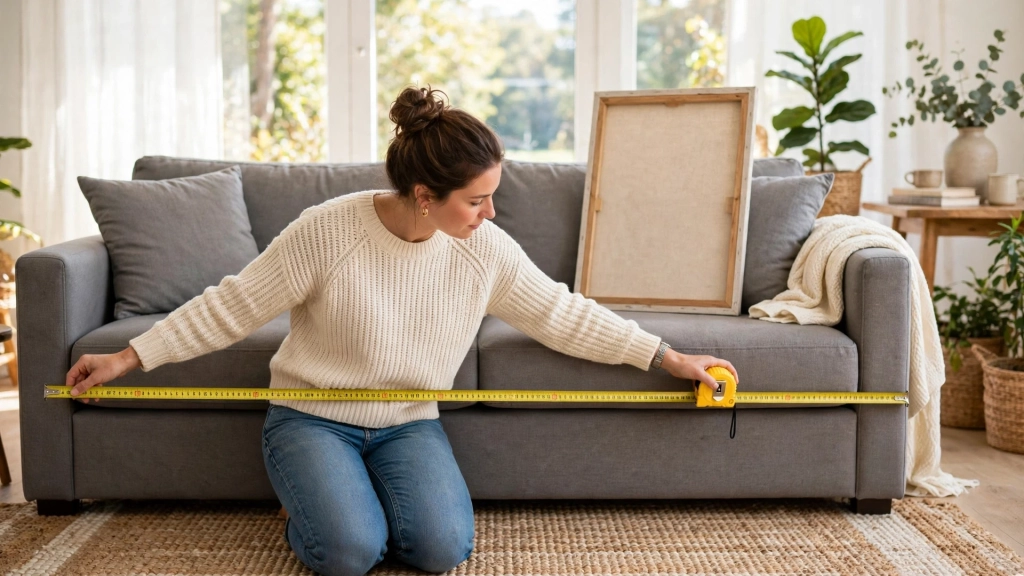
The wall above a sofa is the most common spot for art, and it is also the easiest to get wrong. The standard wall art size above a sofa is simple. Take the width of your sofa, and pick art that covers about two thirds of it. A 72 inch loveseat needs art around 48 inches wide. A 96 inch sectional needs art around 64 inches wide. The art should never be wider than the sofa. It should never look like a tiny stamp in the middle either. Hang the bottom of the frame six to eight inches above the back of the sofa. That gap keeps the art close enough to feel connected, but far enough that nobody bumps their head when they stand up.
The Two Thirds Rule in Real Life
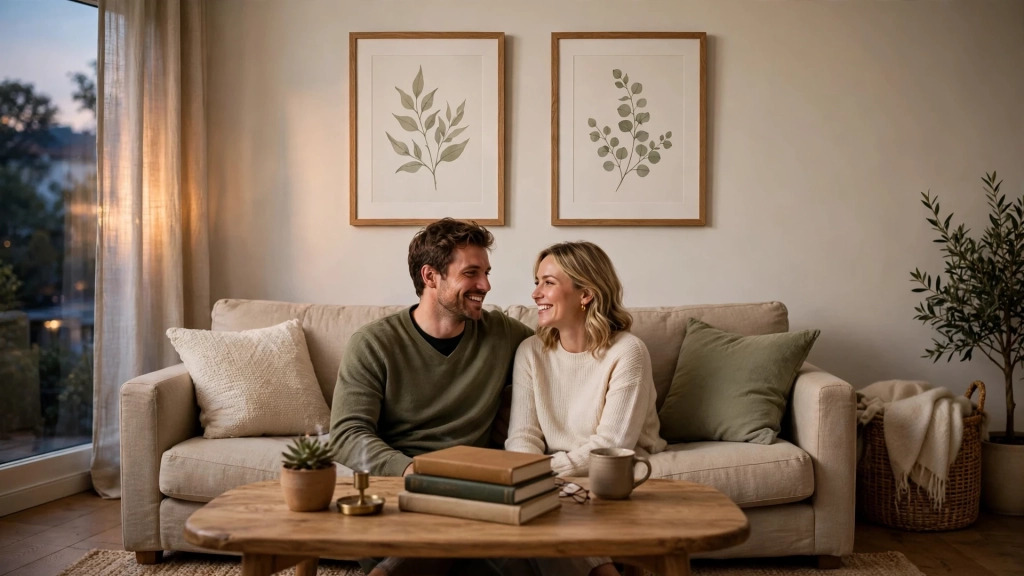
Let me show you how this works in a real room. My sofa is 84 inches wide. Two thirds of 84 is 56, so I needed art about 56 inches wide. So I hung two smaller frames side by side, each 27 inches wide, with two inches of space between them. Together they fill 56 inches, and the pair looks just as good as one big piece. Three small frames work the same way. Keep the total width near two thirds and the gaps even. The eye reads the group as one piece. You do not need one huge canvas. You need the right total width.
Sizing Art Above a Bed
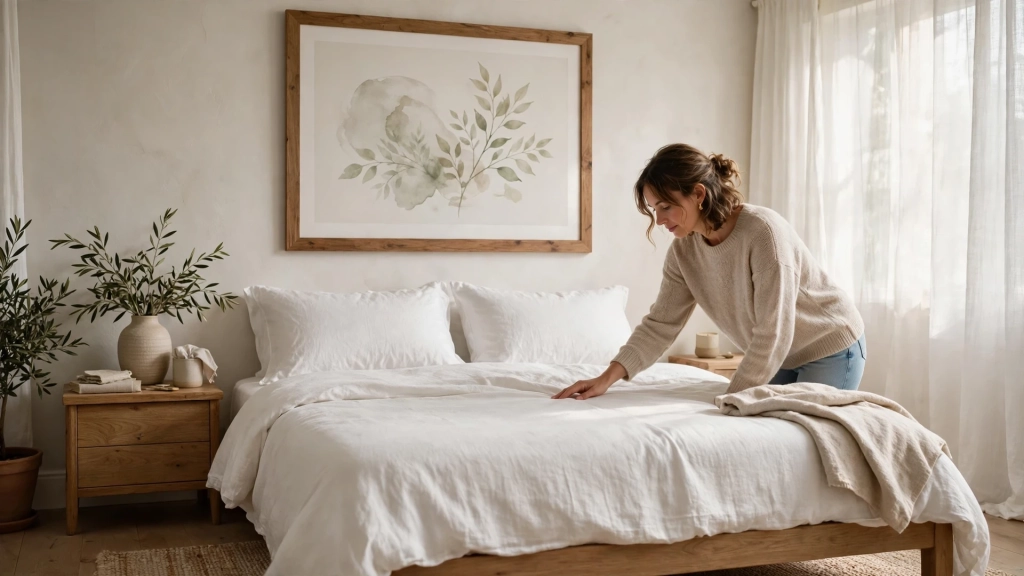
A bedroom wall needs calm, not drama. The art above a bed should feel soft and restful, and its size follows the same simple math as the sofa wall. Measure the width of your bed, and aim for art that covers about two thirds of it. A queen bed is 60 inches wide, so art around 40 inches wide fits well. Hang the bottom of the frame six to eight inches above the headboard. If you have no headboard, hang it a little lower, about eight inches above the pillows, so the art feels tied to the bed.
Getting the Standard Wall Art Size Right Above a Bed
Getting the size right above a bed takes one extra check. Look at the height of your headboard. A tall headboard eats wall space, so a wide, short piece works better than a tall one. A low headboard leaves room for a taller piece. A single large canvas gives a calm, hotel style feel. Pick soft colors for this wall. Blues, greens, and warm neutrals help you rest. Measure once, tape the outline on the wall, and sleep on the decision for a night before you hammer the nail.
The Gallery Wall That Finally Worked
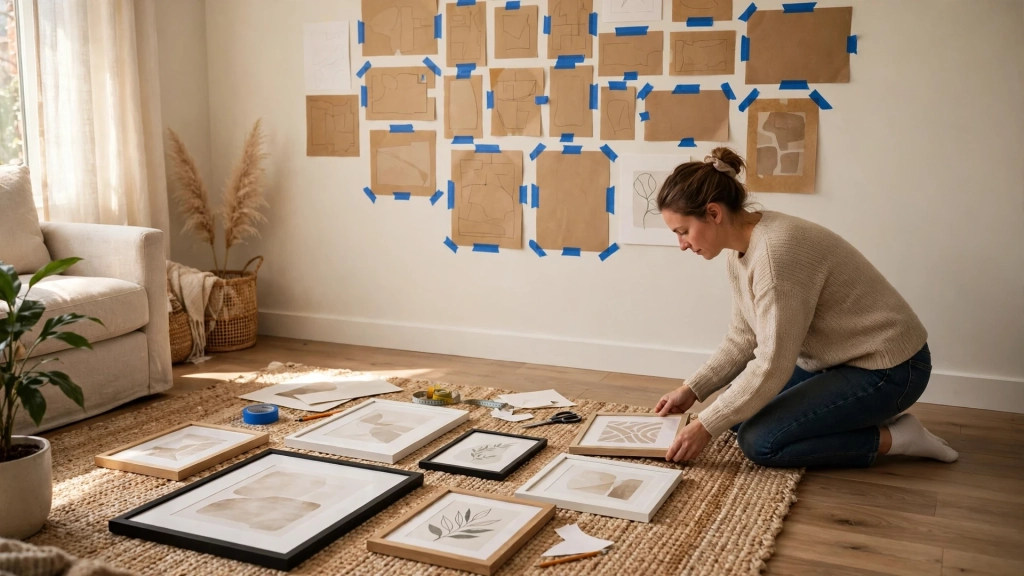
My first gallery wall was a mess. I hung frames one by one, and the result looked like a puzzle with missing pieces. Then a friend showed me the right way. A gallery wall still follows the standard wall art size logic. The whole group acts like one big piece, so measure the group, not each frame. Start on the floor and move the frames around until the shape feels right. The group should be about two thirds as wide as the furniture below it. The center of the whole group should sit at 57 inches. Cut paper templates the size of each frame and tape them to the wall. When the paper looks right, hang the real frames one by one. The wall will look planned, not random.

Spacing Between Frames
Spacing is the small detail that makes a gallery wall look pro. Keep two to three inches between frames, and keep that gap the same everywhere. A gap that jumps from one inch to five inches looks careless. Put the biggest piece near the center or the bottom of the group. Step back after every two frames and check the shape. A level and a tape measure are your best friends here. Do not trust your eye alone.
Three Mistakes That Make Art Look Wrong
Most bad art walls share the same three mistakes. The first is size. A tiny frame on a big wall looks like a postage stamp. If your art covers less than half the width of the sofa, it is too small. Go bigger or add a second frame. The second mistake is height. Art hung too high floats away from the furniture and feels cold. Art hung too low crowds the sofa. The 57 inch center and the six to eight inch gap fix both. The third mistake is the frame. A thick dark frame can crush a light, airy print. A thin frame can look weak around a bold, heavy painting. Once you know the standard wall art size, you stop guessing and start measuring. Match the frame to the art and to the room. Pick one frame style for a wall and repeat it.
How to Measure Before You Hang Anything
Good art walls start with a tape measure, not a hammer. Measure the wall first. Work out two thirds of the furniture width. That is your target art width. Mark 57 inches on the wall with a pencil. Cut a paper outline of your art and tape it up. Does it meet your eyes? Does it fill the wall without crowding the sofa? Move the paper until the answer is yes. Only when the paper looks right should you pick up the hammer. Measure twice, hang once, and enjoy the wall for years.
Your Walls Are Ready
That lost little print above my sofa now hangs at the right height, and the room feels finished. The rules are simple. Center at 57 inches. Width near two thirds of the furniture. A gap of six to eight inches above the sofa or bed. A group that acts like one piece. So before you hang anything new, measure twice and trust the standard wall art size. Your room will thank you every time you walk in.