Rug Size for King Bed: 9×12 vs 8×10 and the Layout Mistake to Avoid


When my friend Sara upgraded to a king bed last spring, she called me in a panic. The room suddenly felt smaller, colder, and strangely unfinished. She had slid her old rug under the new bed, and the whole space looked wrong. I told her the rug was not the problem. The size was. Picking the right rug size for king bed layouts is the detail most people skip, and it changes everything about how a bedroom feels. A king bed takes up serious floor space, which leaves only a narrow border of visible rug in many bedrooms. That border makes or breaks the look. Too small, and the rug floats like an island. Too big, and it swallows the room. This guide walks you through the two sizes that work, explains when each one wins, and shows you the layout mistake that ruins even a perfect purchase.
The Most Loved Rug Size for King Bed Owners
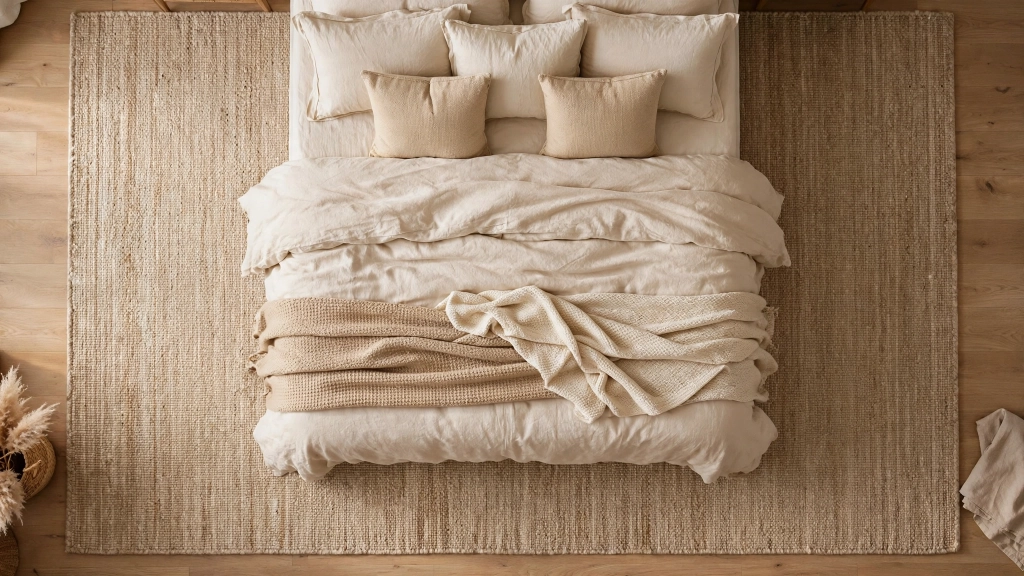
Ask ten bedroom designers which size they reach for first, and most will name the 9×12. It has earned that love for a simple reason. A 9×12 gives a king bed breathing room on all three exposed sides. The math tells the story. A 9×12 rug measures 108 by 144 inches. A king bed covers 76 by 80 inches of that. The rug therefore stretches about 16 inches past each side of the bed and roughly two feet past the foot, depending on how far back you slide it. Those numbers land right inside the sweet spot that designers call the two foot rule, which asks for 18 to 24 inches of rug beyond the bed on the sides and the foot.
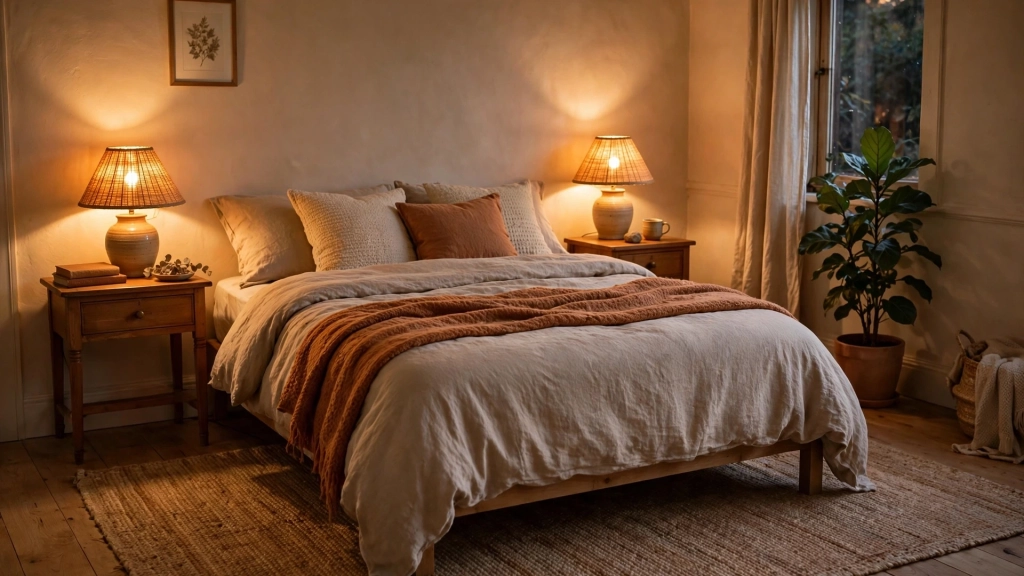
That border of soft flooring does three jobs at once. First, it frames the bed like a picture frame, which makes the whole room look planned instead of accidental. Second, it gives your bare feet a warm landing spot when you swing out of bed in the morning. Third, it anchors the nightstands and the bench at the foot of the bed so the furniture reads as one group.
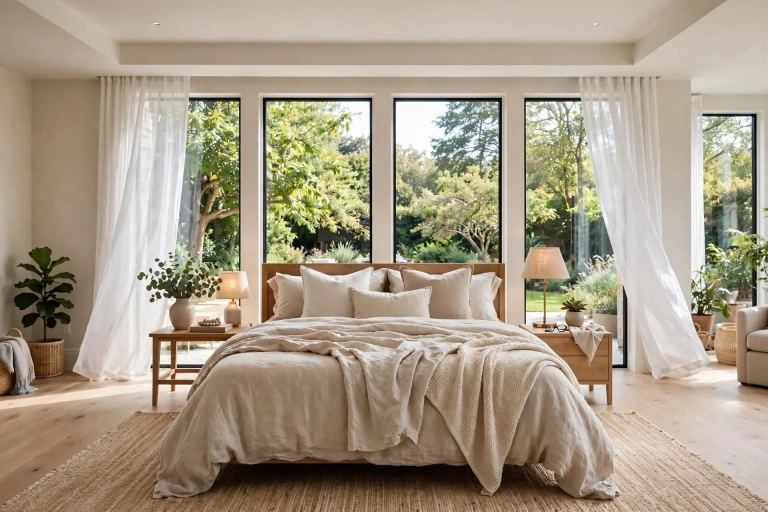
The 9×12 shines brightest in medium and large bedrooms, roughly 12 by 14 feet and up. In those rooms it leaves enough bare floor at the edges to keep the space feeling open. You still get walkways of two to three feet around the rug, which is plenty for daily traffic. Pair it with a low pile weave so doors swing cleanly over the edge, and you have the classic setup that most styled bedroom photos show.
When an 8×10 Works Better
Not every bedroom can swallow a 9×12, and that is perfectly fine. In a smaller room, say 10 by 12 or 11 by 12 feet, an 8×10 often looks better than its bigger brother. The 8×10 still gives you about 10 inches of rug past each side of the bed and close to two feet past the foot. That is less generous than the 9×12, but it keeps the rug from eating the walkways. In a tight room, wall to wall rug feels cramped, and a rug that nearly touches the walls reads as a mistake.
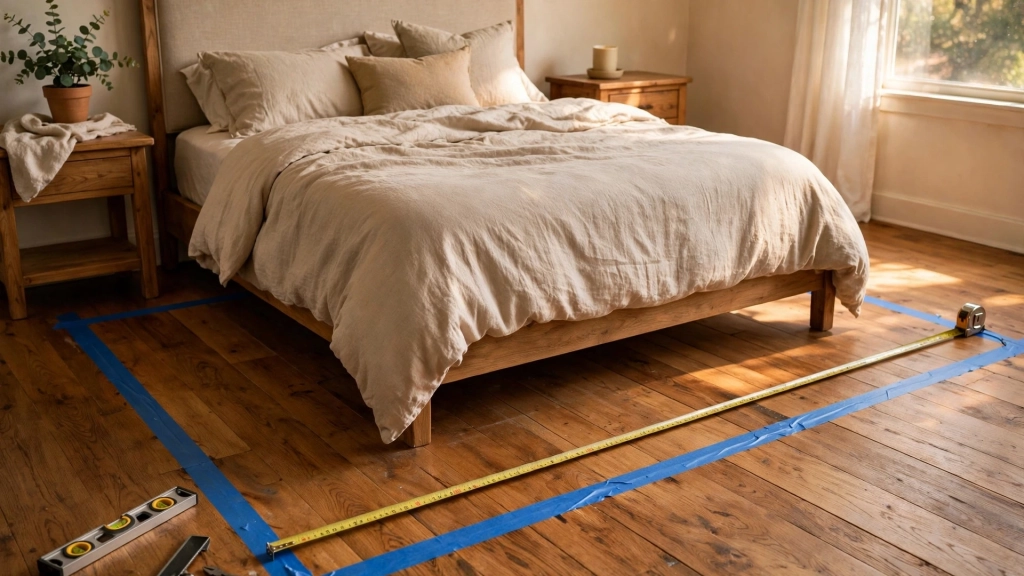
How the Right Rug Size for King Bed Choices Fit Tight Rooms
Small rooms reward careful measuring. Start by mapping the traffic lanes. You need at least two feet between the rug edge and any wall or dresser for a comfortable path. Then look at the nightstands. In a tight room, designers often let the front legs of the nightstands rest on the rug while the back legs sit on the bare floor. That trick pulls the furniture into the rug zone and makes the rug feel bigger than it is. An 8×10 paired with this trick looks intentional in a way a cramped 9×12 never does.
The Two Foot Rule for Bedroom Rugs
Designers love rules of thumb because they remove the guesswork. The most useful one for this job is the two foot rule. Slide the rug far enough under the bed that about two feet of rug shows on each side and at the foot. Once you learn this rule, choosing the best rug size for king bed rooms gets easy because you can test any size on paper before you spend a dollar. Grab a tape measure and some painter tape, and mark the outline on your floor. Stand back. The tape never lies.
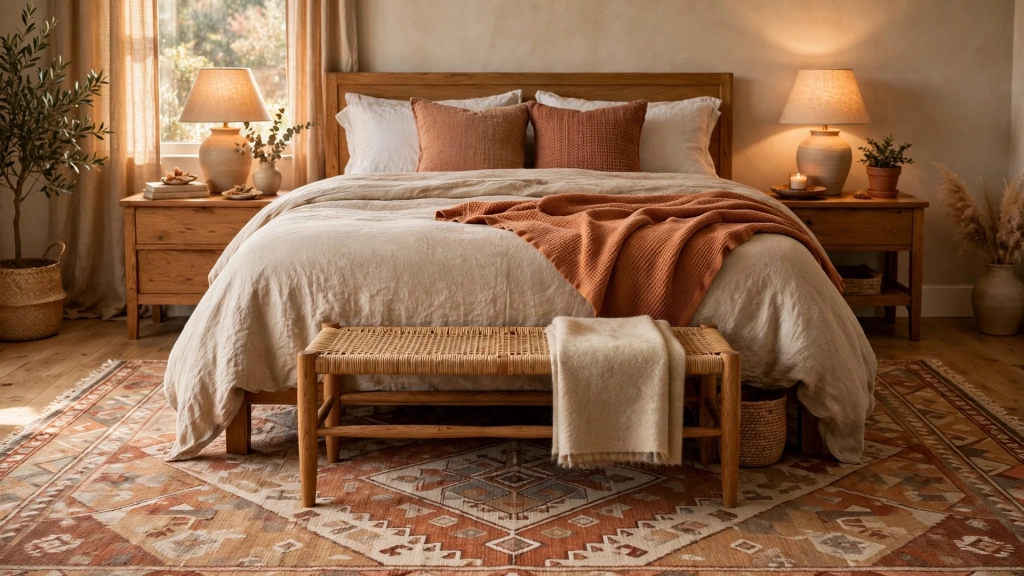
The rule also explains why the popular 5×8 fails so badly under a king. A 5×8 leaves almost no rug visible on the sides, so the bed seems to float on a postage stamp. The eye notices the mismatch even when you cannot name it. Step up to an 8×10 or a 9×12, and the proportions suddenly look right.
Rug Size for King Bed Placement and Where the Rug Should Sit
Size means little if the placement is off. The standard move places the rug under the bottom two thirds of the bed. Push it far enough back that it starts somewhere near the headboard legs or just in front of the nightstands, then let it run past the foot of the bed. This placement puts the most visible rug exactly where your feet land in the morning.
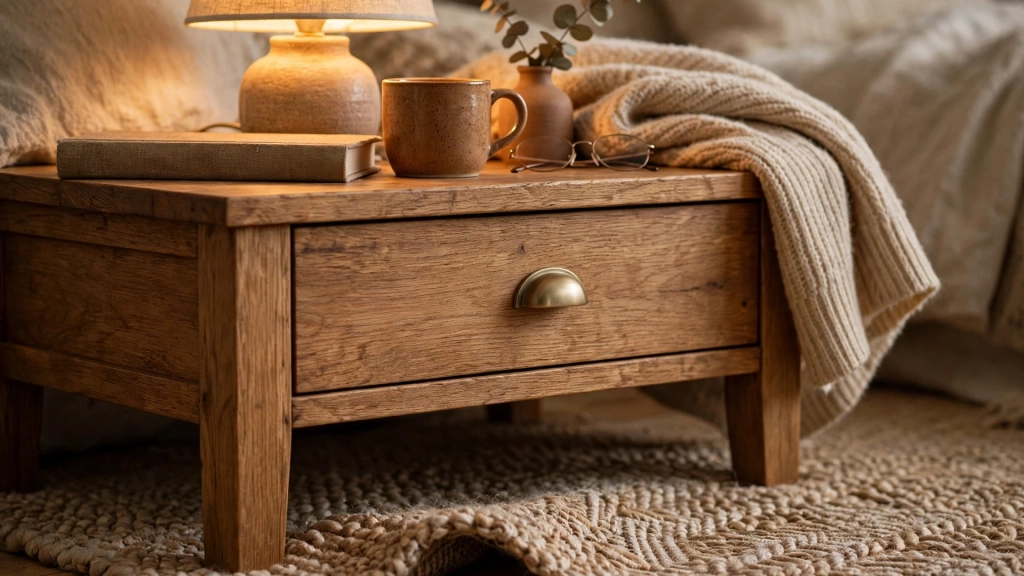
Nightstands, Doors, and Drawers
Keep the Nightstands in the Group
Nightstands cause most placement debates. The cleanest look rests the front legs of each nightstand on the rug while the back legs stay on the bare floor. Fully off the rug works too, as long as the nightstands sit close to the rug edge. The look you want to avoid is a nightstand stranded halfway on the rug with a wobbly leg.
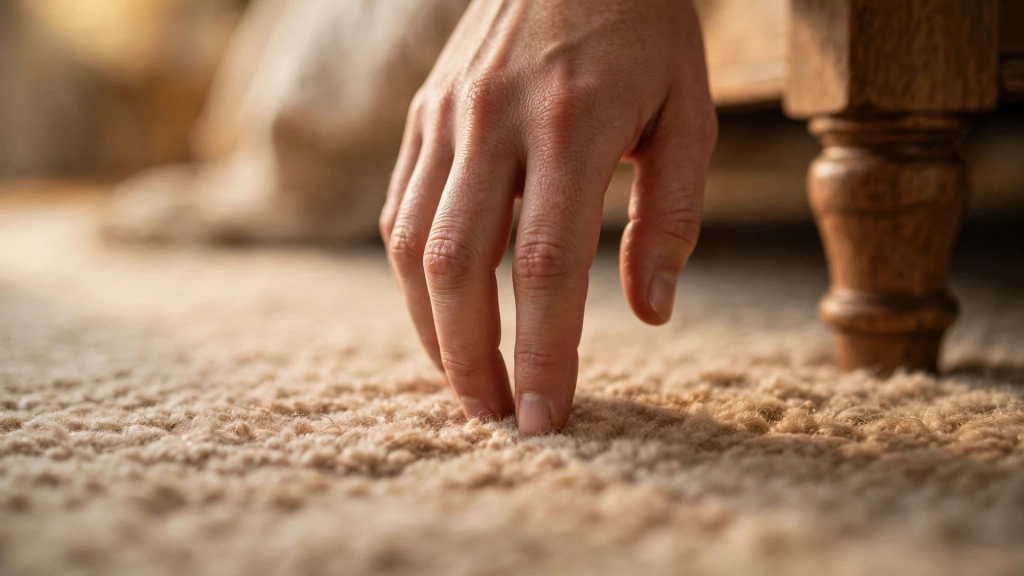
Mind the Doors and Drawers
Before you fall in love with a thick shag, check the swing of every door. Closet doors and bedroom entry doors need to clear the rug edge. A low pile or flat weave keeps this drama away.
Pile and Material That Make Mornings Better
Material matters as much as size. Most rug size for king bed shoppers ignore pile height until a door sticks or a vacuum chokes, and by then the rug is already in the room. A low to medium pile, roughly a quarter to a half inch, hits the sweet spot for bedrooms. It feels soft underfoot, stays flat under the bed legs, and lets doors swing free.

Wool remains the gold standard for a reason. It bounces back from furniture dents, resists stains better than most synthetics, and lasts for years. A wool blend gives you most of that performance at a friendlier price. Cotton flatweaves work beautifully in warm climates and under low platform beds, though they show footprints more readily. If allergies run in your house, look for a low pile synthetic with a tight weave, which traps less dust than a shaggy style. Spend a little extra on the pad. It stops the rug from creeping, adds cushion, and protects your floors from the weight of the bed.
Color and Pattern That Flatter a King Bed
A king bed dominates the room, so the rug should support it rather than fight it. Solid and subtly textured rugs in warm neutrals flatter almost every bedding style. Think ivory, greige, soft taupe, and muted terracotta. These tones let patterned duvets and throw pillows take the spotlight.
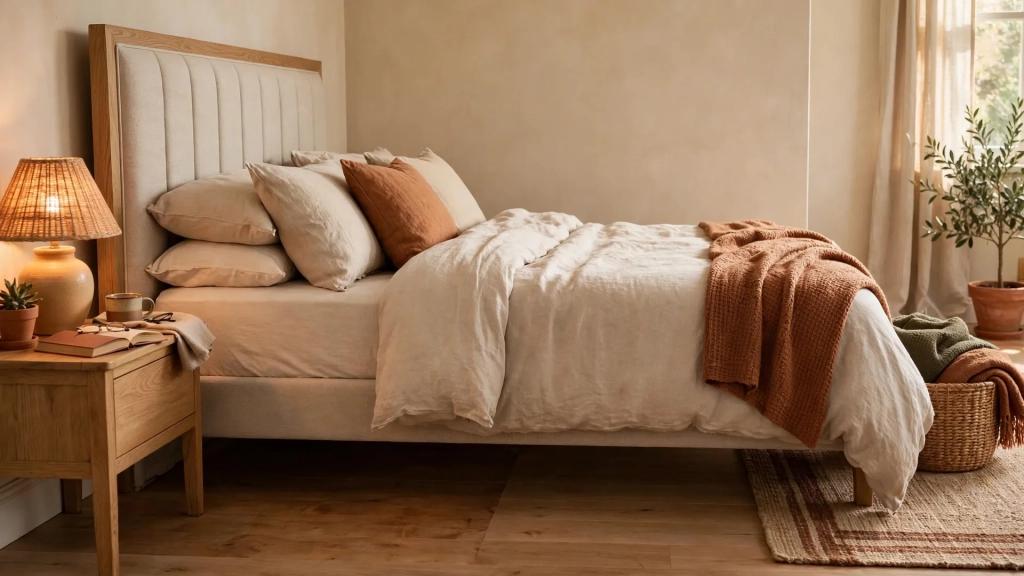
Pattern lovers can still join the fun. A faded vintage pattern or a soft geometric adds interest without shouting. Keep the scale of the pattern in proportion to the room. Large motifs suit large rugs and large beds, while tiny busy prints can look fussy under a king.
The Layout Mistake to Avoid
Here is the mistake I see most often, and it has nothing to do with picking the wrong size. People buy a generously sized rug, then slide it too far toward the foot of the bed. The head end stops somewhere under the middle of the mattress, which leaves the sides bare near the pillows. You step out of bed onto cold hard floor while two feet of rug hide under the foot. Even the right rug size for king bed rooms fails when the placement wastes it.

Fix it in thirty seconds. Stand at the side of the bed and look down. You want rug under your feet at the spot where you actually get out of bed, which is usually near the top third of the mattress. Slide the rug toward the headboard until the rug edge sits a few inches past that spot. Check both sides, and enjoy the border running evenly around three sides of the bed.
Your Quick Checklist Before You Buy
Measure twice and buy once. Tape out the rug outline on your floor with painter tape and live with it for a day. Open every door and drawer. Walk the traffic lanes in the dark the way you would at midnight. If the tape layout feels good, the rug will feel great.
With the right rug size for king bed interiors feel calm, layered, and finished instead of cramped or cold. Choose the 9×12 for rooms with space to spare, the 8×10 for tighter layouts, and always slide the rug far enough back that your feet land on softness every single morning.