Stair Tread Depth: The 10-Inch Rule for Safe, Comfortable Stairs

The morning my neighbor Daniel tumbled down his basement stairs, nobody blamed the paint or the lighting. His foot landed on a step that was too shallow, his heel found nothing, and down he went. What shocked me was how normal those stairs looked. They were carpeted, well lit, and freshly painted. The hidden problem was the measurement of each step, something builders call stair tread depth. We walk up and down stairs a hundred times a day without thinking, yet this single number decides whether every step feels secure or secretly dangerous.
If you are planning new stairs, fixing old ones, or wondering why your basement steps feel like a ladder, this guide is for you. You will learn the ideal measurement, how it works with riser height, how to measure it correctly, and the mistakes that turn ordinary stairs into daily hazards.
Why Stair Tread Depth Matters More Than You Think
Your feet make a deal with every staircase. Each step needs enough flat surface to plant your foot before your weight shifts forward. When the step is deep enough, climbing feels smooth and almost invisible. When it is too shallow, your toes hang off the front edge, and your brain quietly registers danger with every stride.
Most people worry about riser height, the vertical gap between steps. That matters, but the horizontal surface is where your foot actually lives. Think of it like a walking path. A tall curb is annoying, but a narrow curb is what makes you stumble. The tread is the path, and a generous tread forgives small missteps in a way a perfect riser never can.
Home inspectors pay close attention to this number because buyers feel it instantly. When a tour guest climbs stairs that feel comfortable, they never mention it. When the steps feel steep or cramped, it sticks in memory as a negative, even if they cannot explain why. Getting this right is one of the cheapest ways to make a home feel well built.
The Standard Stair Tread Depth for Comfort
Through decades of trial and error, builders have settled on a comfort zone. The sweet spot most professionals recommend is between ten and eleven inches, measured from the front edge of one step straight back to the front edge of the next. At ten inches, most adult feet fit securely with room to spare. At eleven inches, the stride feels relaxed and natural, almost like walking on level ground.
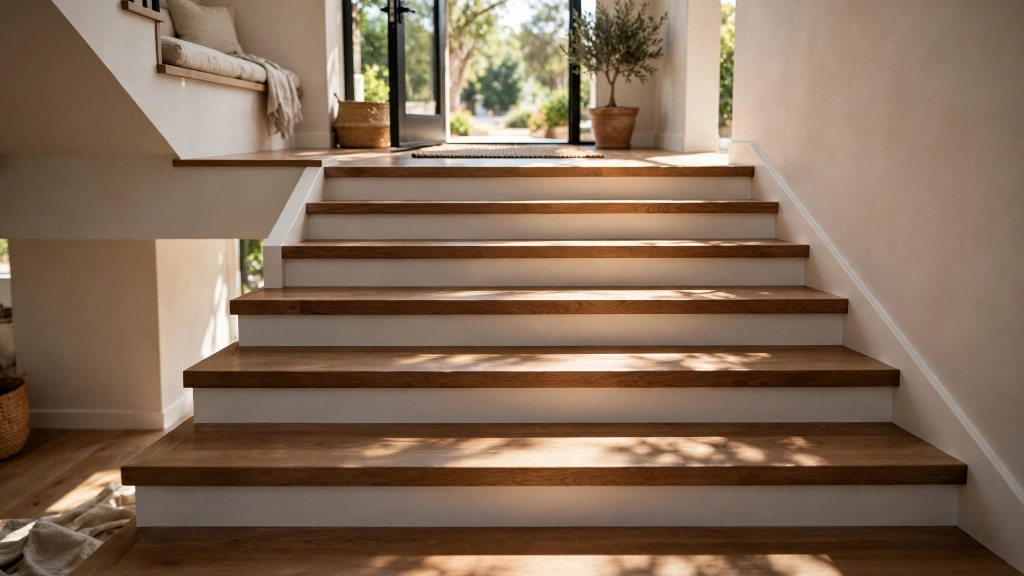
Drop below ten inches and comfort falls fast. At nine inches, an average shoe overhangs the edge, and going downstairs turns into a careful sideways shuffle. Stretch past eleven and a half inches, and most people start overreaching, which feels awkward on a long flight. The ten to eleven inch range is where the human foot and the staircase agree. Aim for it whenever you build or replace steps.
How Stair Tread Depth and Riser Height Work Together
No stair measurement works alone. The tread and the riser, the flat part and the vertical part, form a partnership that your legs learn within a few steps. Change one without adjusting the other, and the staircase feels wrong in a way that is hard to describe but easy to feel. Carpenters keep the pair in balance with a simple formula.
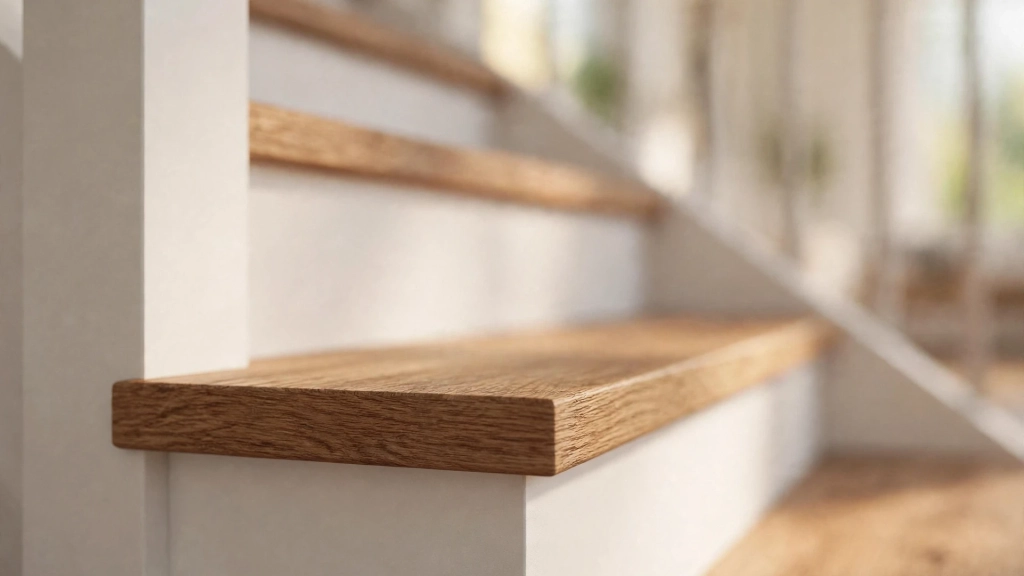
The classic rule says one tread plus two risers should add up to roughly twenty-four to twenty-six inches. With a ten inch tread and a seven inch riser, the math lands at twenty-four. With an eleven inch tread and the same riser, it lands at twenty-five. Both climb comfortably because the formula keeps your stride natural. When builders shrink the tread to squeeze stairs into a tight space, the staircase climbs like a ladder even when the risers are technically legal.
The Tread and Riser Formula You Can Use at Home
You do not need a carpenter to check your stairs. Measure one tread, measure one riser, and add them up. If the total sits between twenty-four and twenty-six, your staircase works with your body. If the total is much lower, every step demands extra effort. If it is much higher, your stride stretches and breaks rhythm.
Treat this formula as a comfort target, not a building code. Codes set minimums for safety, while the formula describes stairs people enjoy using. A staircase can pass inspection and still feel miserable, and now you know the quick math that explains why.
How to Measure Stair Tread Depth the Right Way
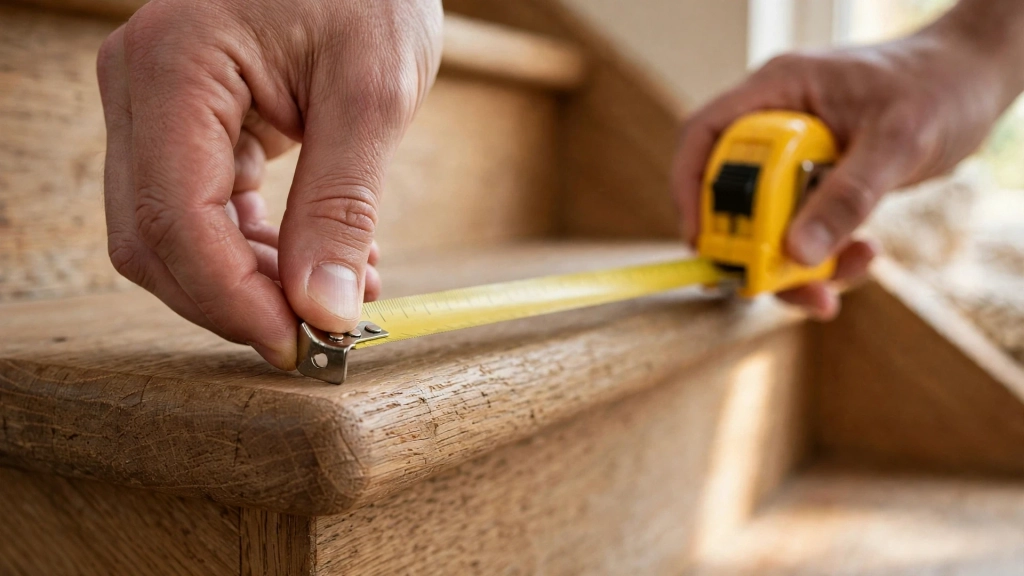
Measuring sounds simple until you hold a tape against a real step. The correct method is to measure horizontally from the front edge of one tread, called the nosing, straight back to the front edge of the tread on the next step. You are measuring the usable walking surface, not the total board width.
Watch out for the nosing, the small rounded lip that overhangs each step. A thick nosing can make a step look deeper than it really is. Run your tape from the nosing edge, not from the riser board behind it. A worn carpet pad or a thick runner can also throw off your reading, so measure the hard surface whenever possible.
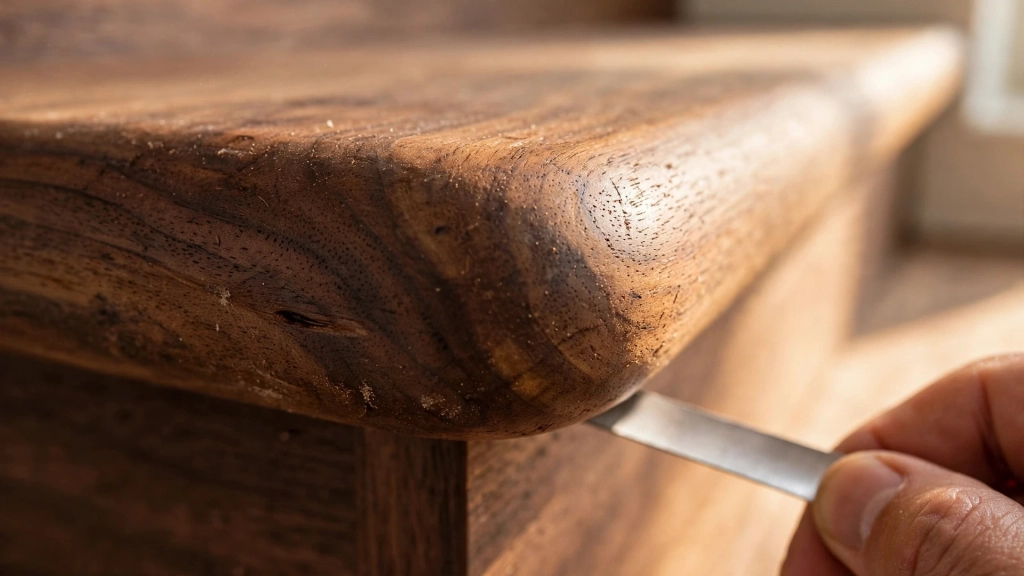
Take readings on three or four different steps. In older homes, steps vary, and the worst step matters most. If one tread is nine inches while the rest are ten and a half, that single shallow step is the one that will catch someone at the worst moment.
Common Mistakes That Make Stairs Dangerous
The first mistake is building stairs too steep to save floor space. Every inch trimmed from the stair tread depth makes the staircase steeper without moving the walls, and steep stairs cause more falls than any other design flaw. If you are planning stairs for a loft or a basement, give the treads the full ten inches and accept a longer run. Your future self and every guest will thank you.
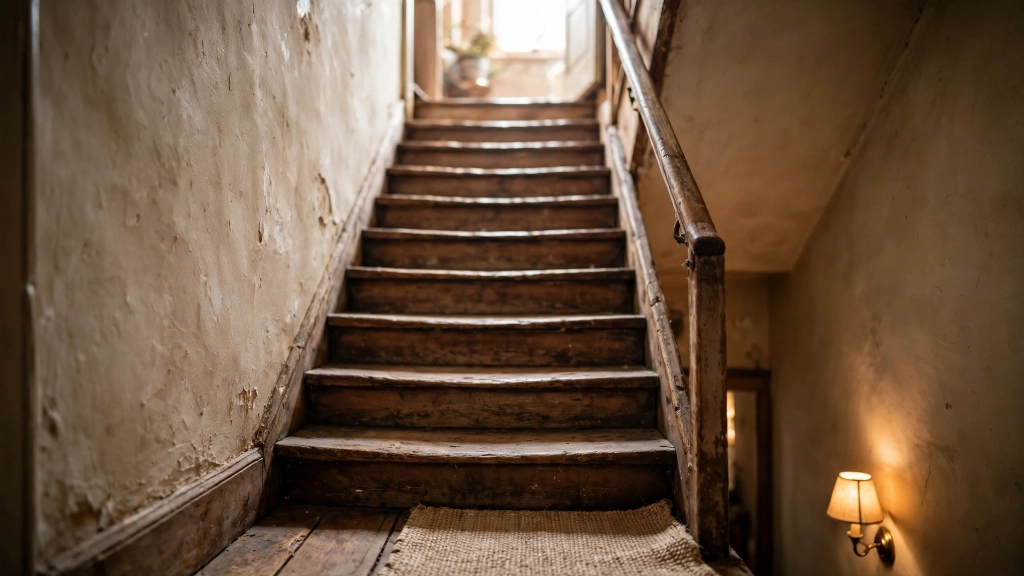
The second mistake is inconsistency. Steps that change size mid flight are the most dangerous of all, because your legs lock into a rhythm and one odd step breaks it. Building codes cap how much one step can differ from the next, usually around three eighths of an inch. When you renovate, never let a new tread sit noticeably different from its neighbors.
The third mistake is finishing over existing treads without recalculating. Adding thick tile or stone on top of old steps changes the feel of every tread and can shrink risers below code. Always measure after the final finish is in place. And never paint treads with glossy paint, because a shiny shallow step is a slip waiting to happen. Use slip resistant finishes, grip strips, or a tight low pile runner secured at both ends.
Stair Tread Depth Around the House
Not every staircase in your home follows the same pattern. Straight hallway stairs are the easiest, because every tread should be identical. Measure them as described above and aim for the ten to eleven inch comfort zone.
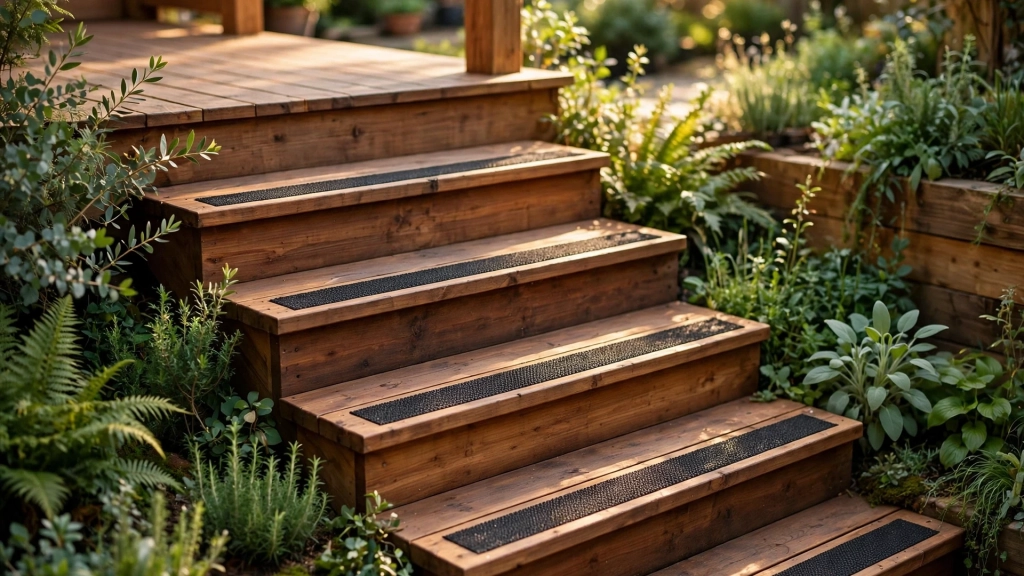
Outdoor deck stairs face weather, and wet wood is slippery. Aim for the deeper end of the range, eleven inches if you can, and add textured treads or grip strips. Outdoor steps also shift with the seasons, so recheck them every spring. A deck stair that was perfect five years ago may have drifted into the danger zone.
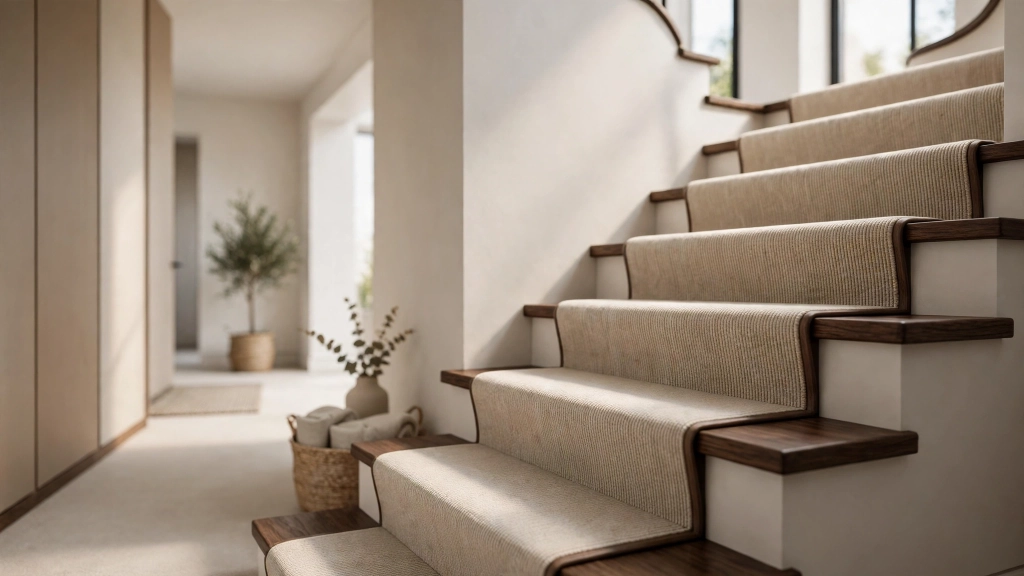
Carpeted stairs need the carpet factored in. Thick padding eats into the usable surface and rounds off the nosing. Choose a dense, low pad made for stairs, and stretch the carpet tight so the nosing edge stays crisp.
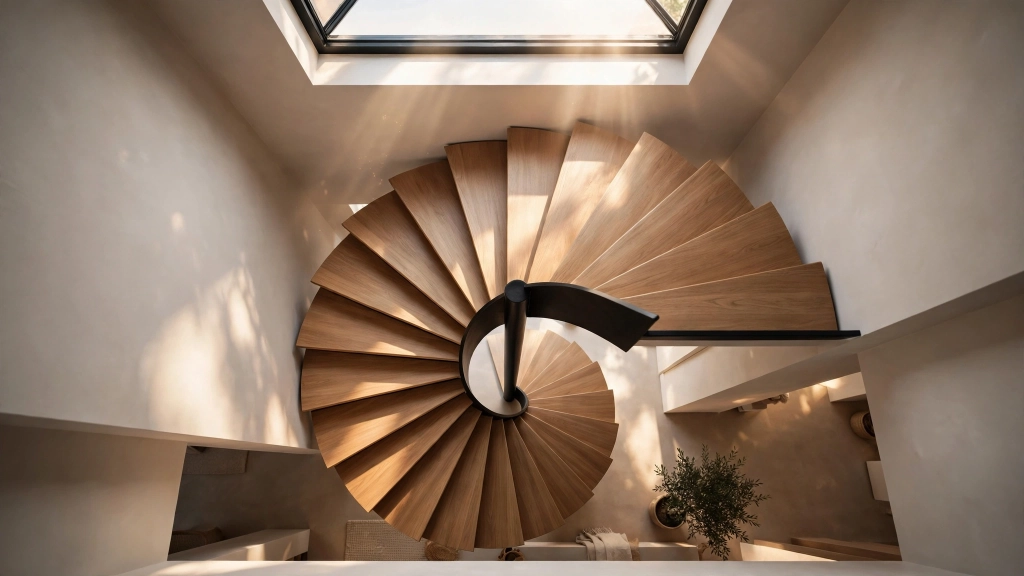
Spiral and winder stairs are the trickiest. Their treads narrow toward the center post, so measure at the walk line, the path most people use about twelve inches from the narrow end. The International Residential Code requires at least ten inches at this walk line. Never judge these stairs by the wide outer edge, which flatters the numbers while the narrow part is where feet actually land.
What Building Codes Actually Require
Codes set the legal floor, and every homeowner should know it. The International Residential Code, the standard most of the United States follows, requires a minimum tread of ten inches for residential stairs. It also requires that treads vary no more than three eighths of an inch from step to step, and that winder treads meet the ten inch minimum at the walk line.
Local codes can be stricter, so check with your city or county before building. Some areas require eleven inches for new construction, and historic renovations sometimes get exceptions. Treat the code as the legal minimum and the ten to eleven inch comfort zone as your real target. Passing inspection is good, but stairs that feel safe are better.
Small Changes That Make Stairs Safer Today
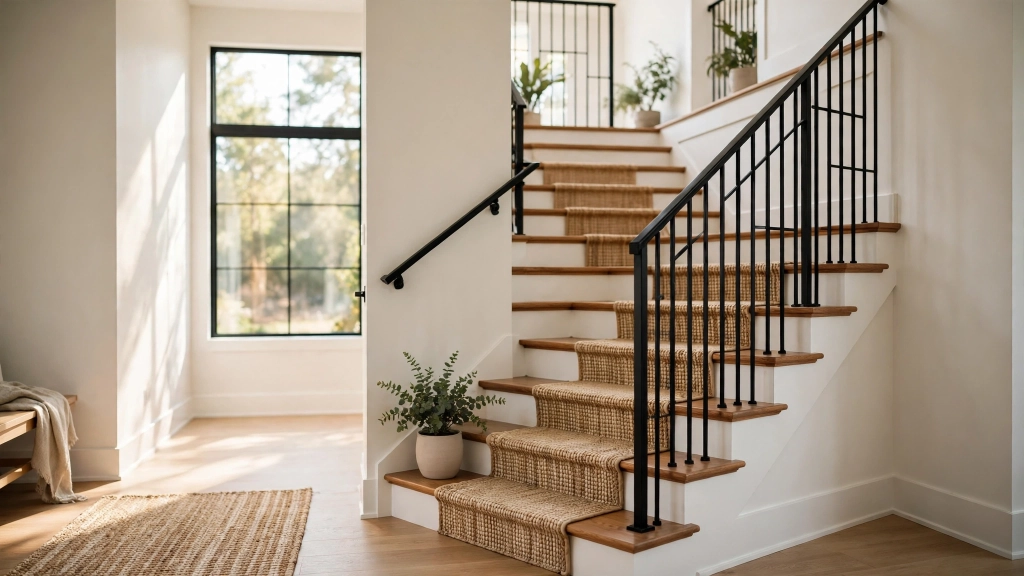
You do not need a full renovation to improve your stairs. If the treads run slightly shallow, add a stair runner with a thick pad. The runner does not change the measurement, but the texture and defined edges give your feet better feedback and cut slips dramatically. Center the runner and fix it at every step.
Lighting changes everything. A dark staircase makes shallow treads far more dangerous because your feet cannot find the edges. Add lights at the top and bottom, plus motion sensor step lights if you can. A sturdy handrail on at least one side, ideally both, turns a stumble into a recovery instead of a fall.
Finally, walk your own stairs slowly and honestly. Go up and down and notice where your feet feel uncertain. Those spots are telling you the truth. Most of the time the fix is simple, a runner, a nosing repair, better light, or a deeper replacement tread on the one or two steps that lag behind.
A staircase is something you will use tens of thousands of times. It deserves ten good inches. Measure your steps this weekend, compare what you find to the ten inch rule, and fix the worst offenders first. Once your stair tread depth is right, every climb feels effortless, and you will never look at a staircase the same way again.