How High to Hang a Mirror: The Exact Heights for Every Room

My friend Dana hung her new round mirror the day it arrived. She held it up against the entryway wall, liked how it looked, and drove the hook straight into the drywall. For six months, every guest who walked in ducked slightly, as if the mirror expected them to shrink. Dana is five foot four, but the center of her mirror sat nearly six feet high. The mirror was not the problem. She had never learned how high to hang a mirror, so she guessed, and the guess was wrong.
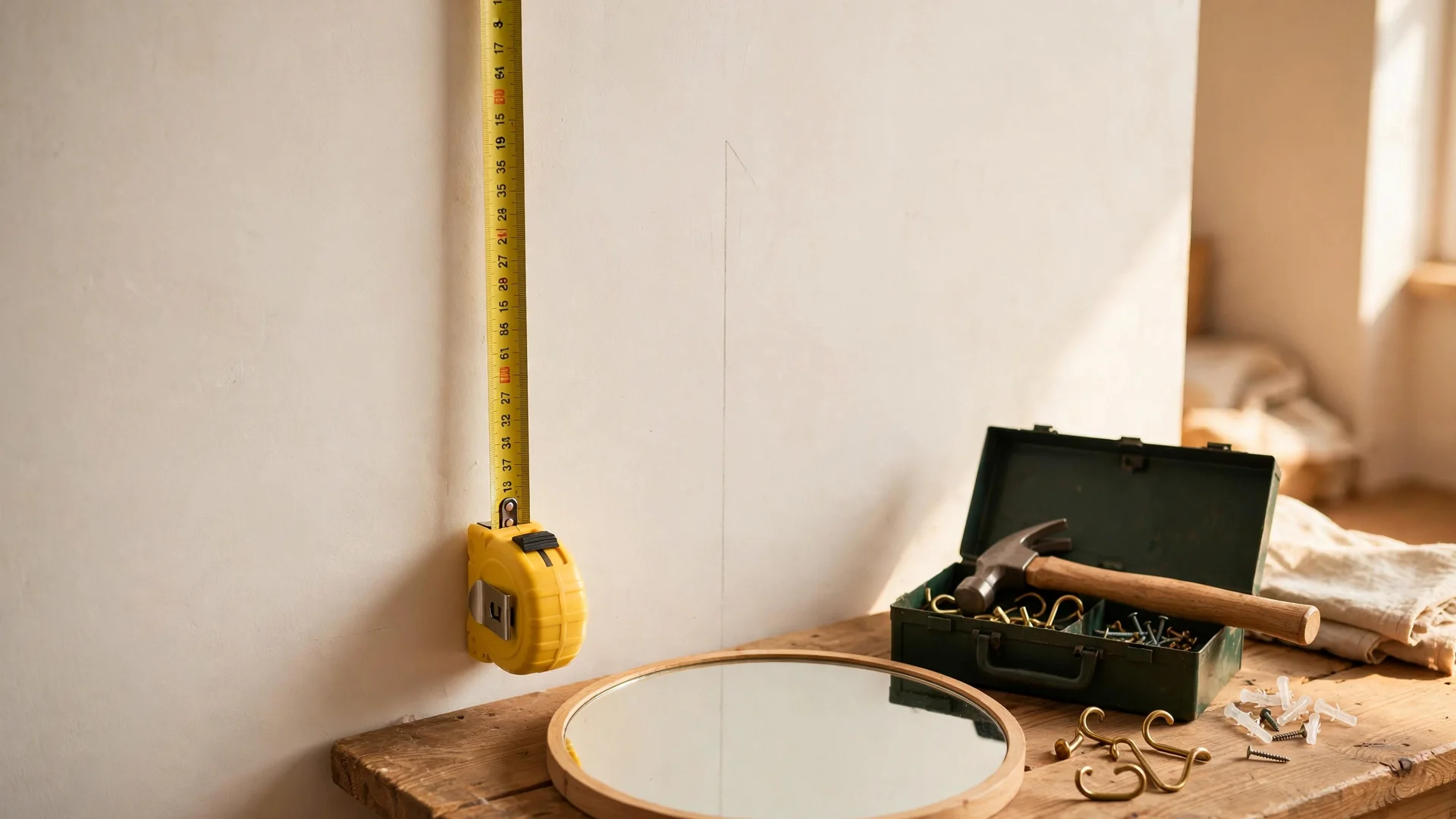
You do not need a design degree to get this right. You need a tape measure, five quiet minutes, and the numbers below. This guide gives you the exact mirror hanging height for every room in the house, above every kind of furniture, plus the one rule professionals fall back on when nothing else applies. Follow the numbers, and your mirrors will look like a designer placed them.
The 57-Inch Rule: Where Every Mirror Starts
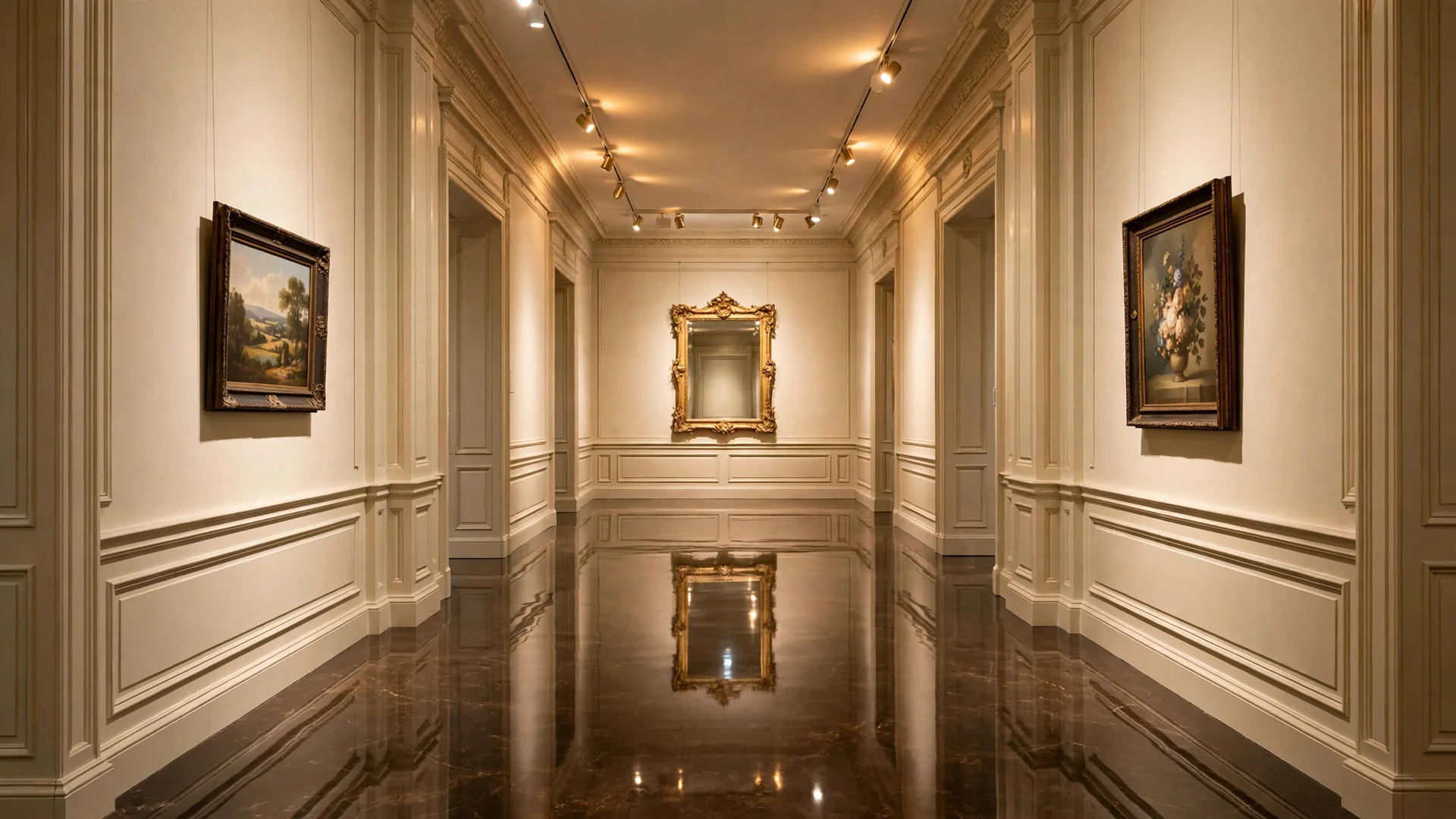
Museum curators, gallery installers, and interior designers all begin from the same number. The center of the mirror should sit about 57 inches from the floor, which matches the average adult eye level. Galleries settled on this height decades ago because artwork viewed at eye level feels natural and calm, and the same idea works in your living room. Ask a room designer how high to hang a mirror in an empty hallway or a bare wall, and you will hear this number before anything else.
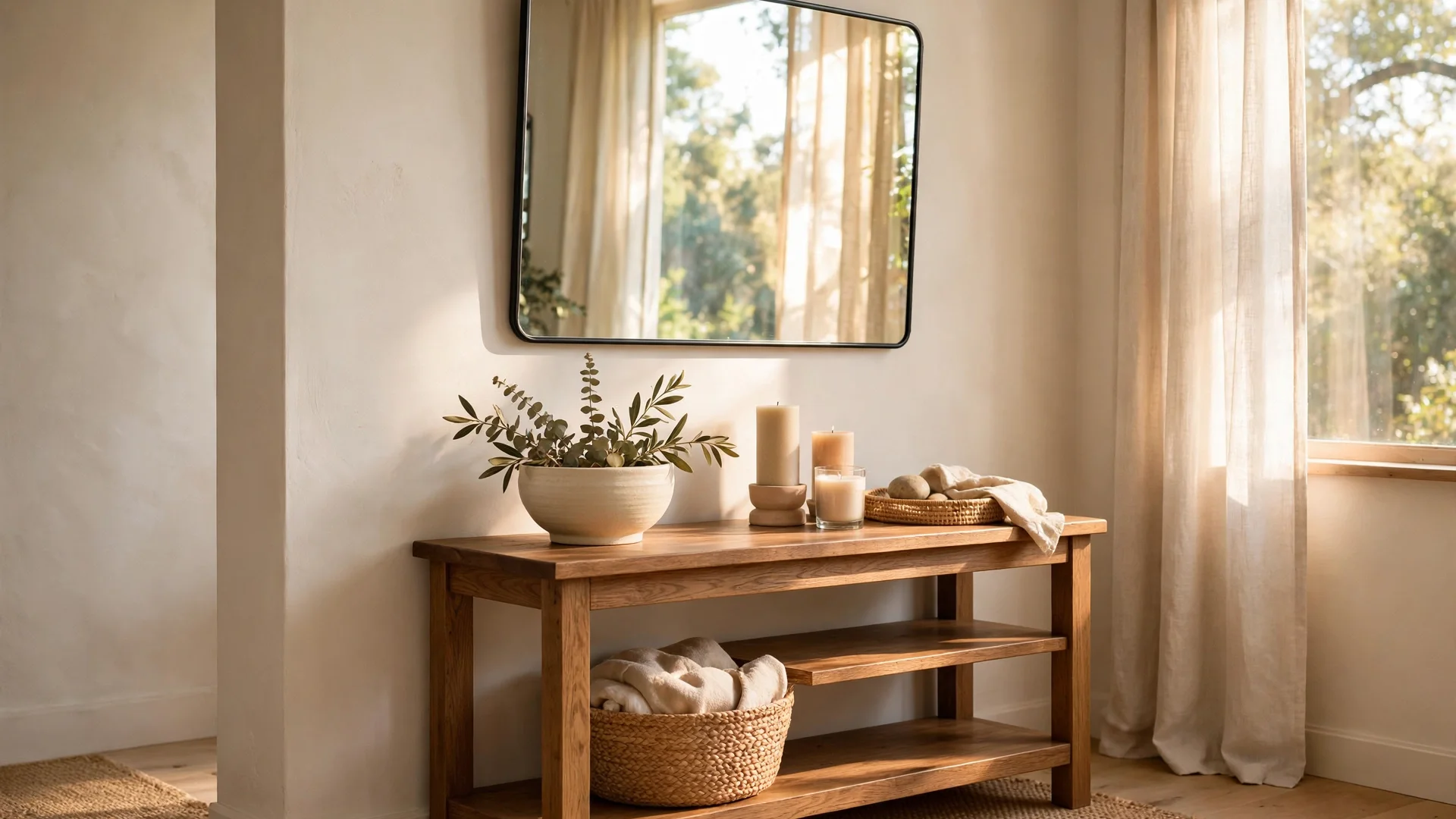
This rule is a starting point, not a prison sentence. If everyone in your home is taller than average, shift the center up a couple of inches. If the mirror hangs in a room where people mostly sit, like a dining room, you can drop it slightly, because the audience is lower. The 57 inch mark simply keeps you from making Dana’s mistake, which was hanging six feet high on a guess.
How High to Hang a Mirror in the Entryway
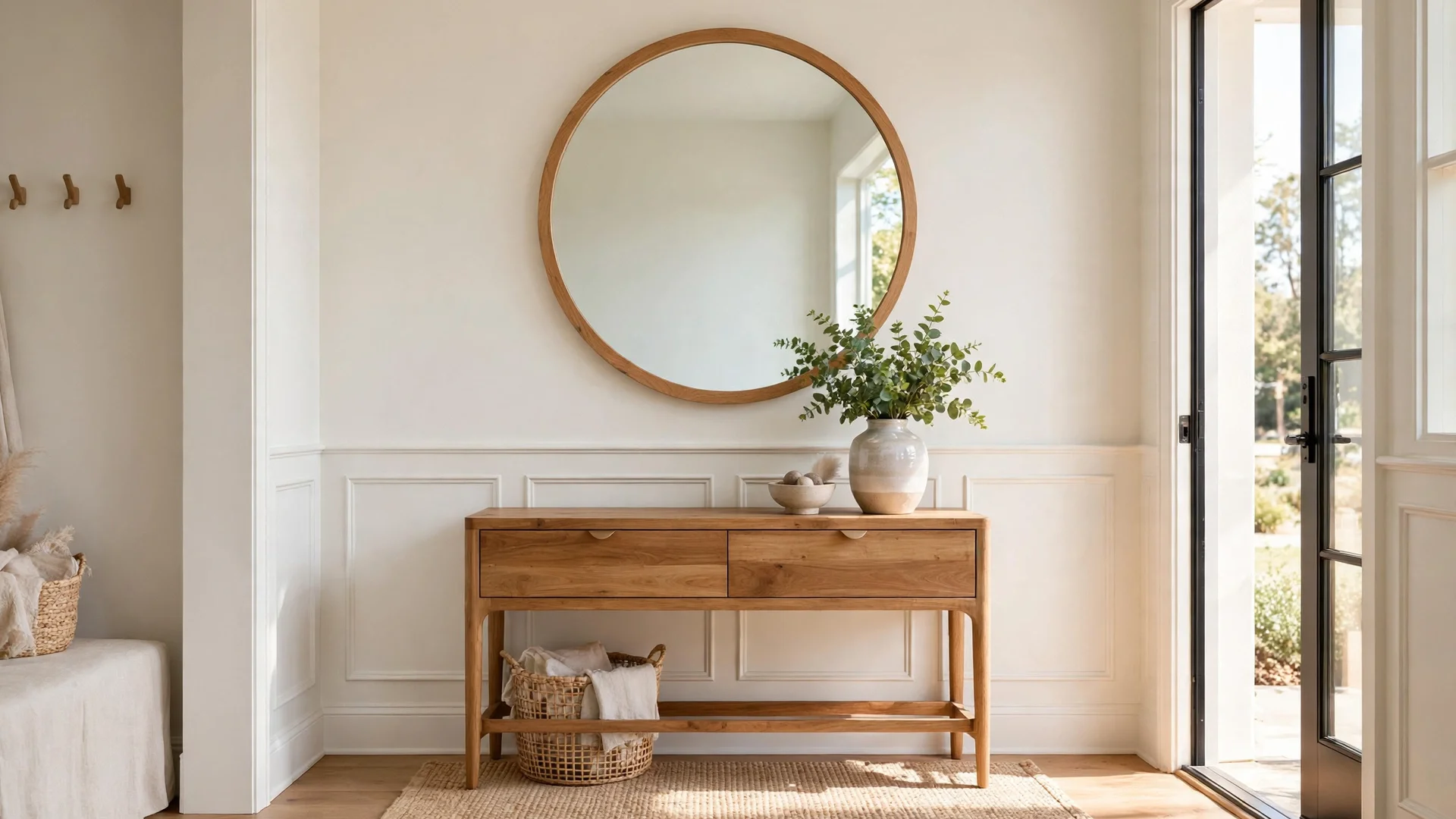
The entryway sets the mood of the whole house, and it is also where mirror mistakes show up first. Guests walk in, glance sideways, and instantly sense that something feels off, even if they cannot name it. In most entryways, the mirror hangs above a console table, and the pairing has one simple rule. Leave six to eight inches of open wall between the top of the console and the bottom of the mirror frame.
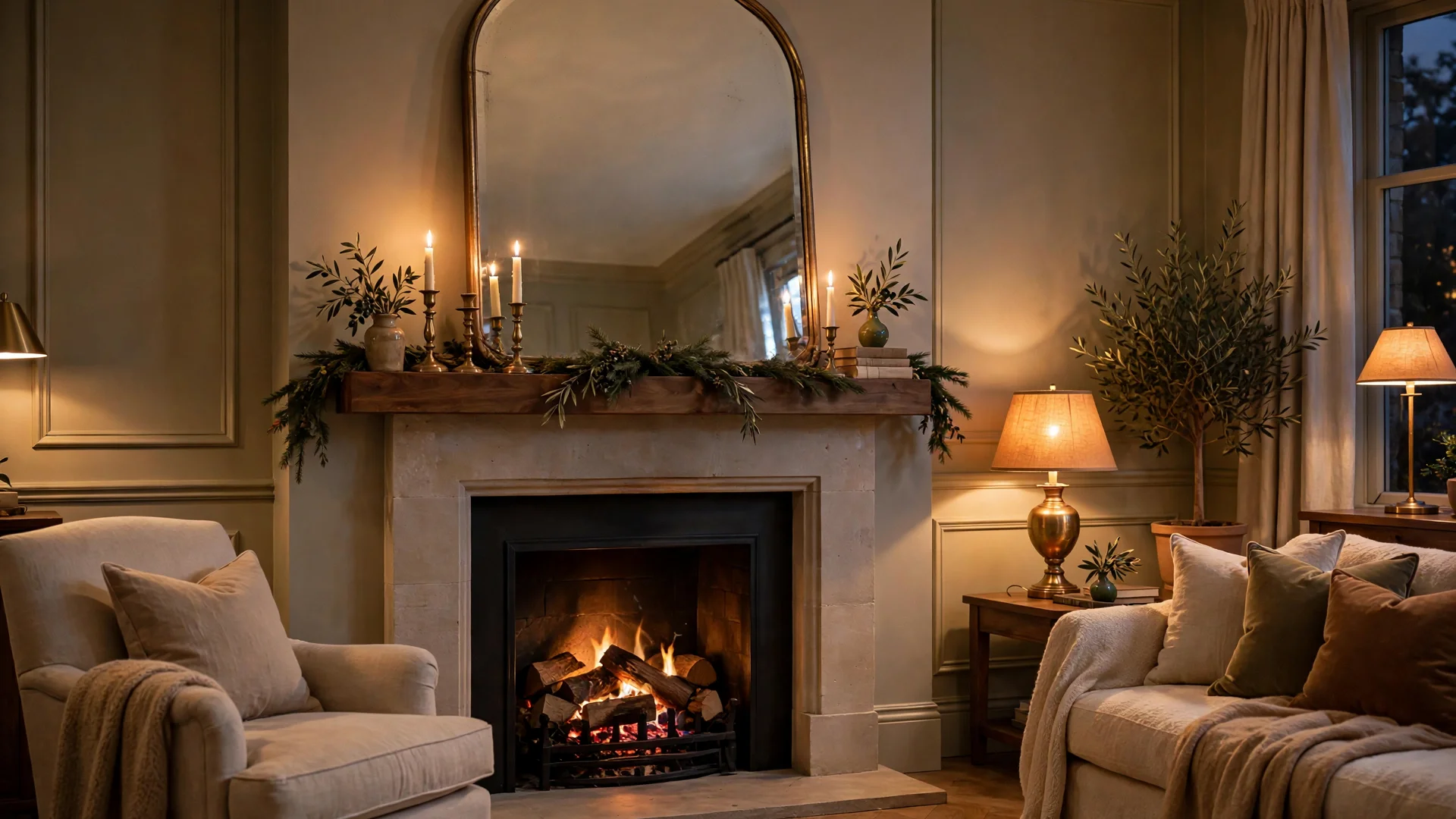
That gap keeps the two pieces connected visually without crowding them. After you set the gap, check that the mirror center still lands near 57 inches. If the console is unusually tall and the mirror floats too high, choose a taller mirror instead of raising the hook. Entryway mirrors also work hard at bouncing light, so angle the glass slightly toward the nearest window when you can, and you get free brightness in the darkest corner of the house.
Over the Fireplace: The Mantel Math
Mantels are tall, wide, and full of decoration, which makes the fireplace the trickiest mirror spot in the house. A small gap looks fussy and a big gap looks disconnected, so the balance has to be exact. If you are wondering how high to hang a mirror above a fireplace, here is the math that designers use. The bottom edge of the mirror should sit four to six inches above the mantel shelf.
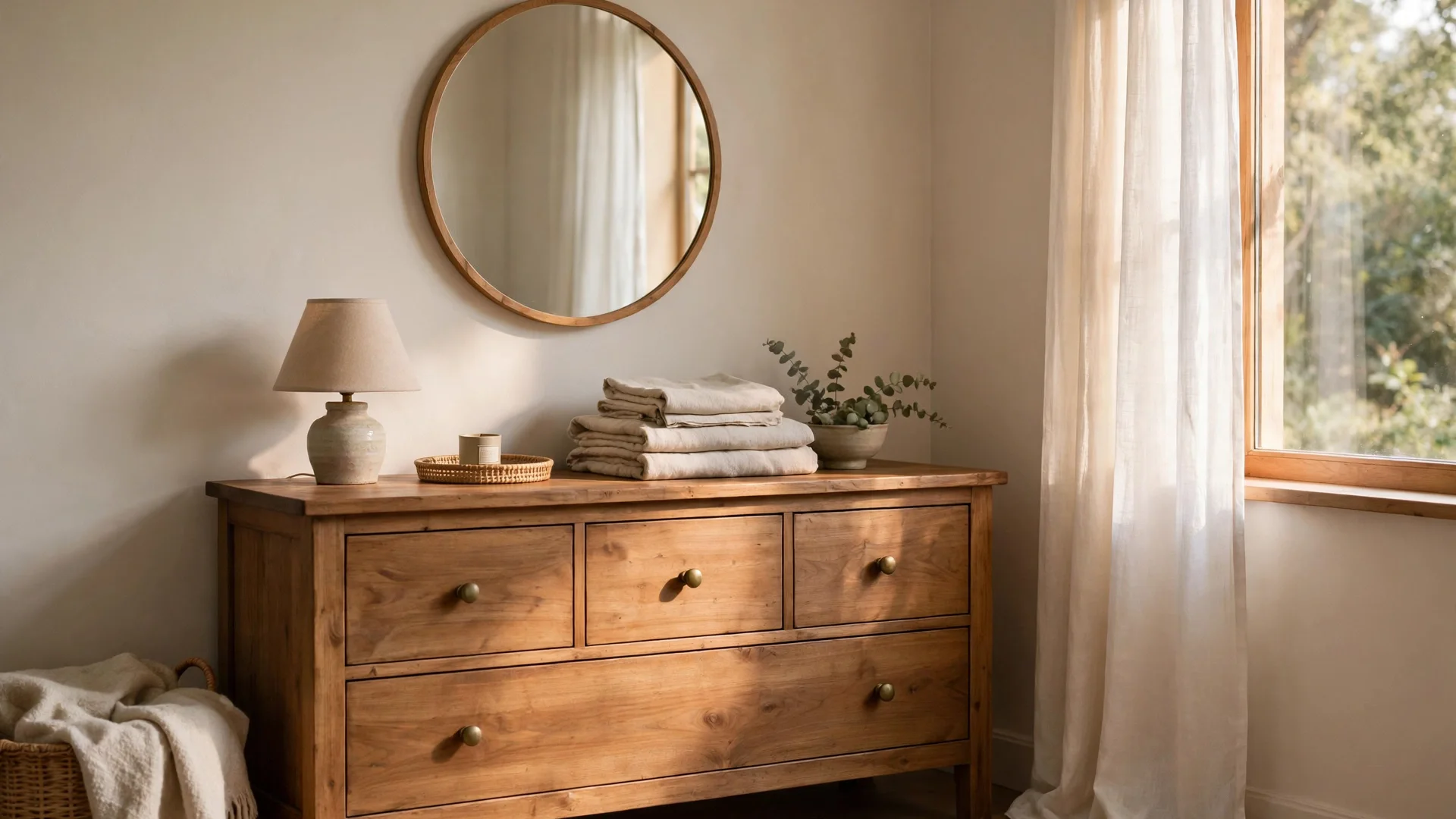
That narrow band keeps the mirror anchored to the mantel while leaving room for a garland, a row of candlesticks, or a seasonal wreath lean. Before you drill, place the mirror and check its reflection from the sofa, since you will view it mostly from a seated position. If it reflects only the ceiling fan, lower it an inch or hang it slightly forward with a tilt. For heavy antique mirrors, the safe alternative is leaning the mirror directly on the mantel with a wall cleat behind it for safety, which reads as relaxed and confident instead of risky.
How High to Hang a Mirror Above a Dresser
Bedroom mirrors live above dressers, chests, and vanity tables, and the same six to eight inch gap rule applies here. The mirror should also be narrower than the furniture beneath it, roughly two thirds to three quarters of the dresser’s width. A mirror that is wider than the dresser looks top heavy and unstable, even when it is bolted to the wall.
My cousin learned this with a vanity mirror that matched her small desk exactly in width. From across the room it looked like one long block of furniture, and the mirror overpowered the delicate table. She swapped in a round mirror about two thirds the desk’s width, hung so its bottom edge sat seven inches above the desktop, and the whole corner relaxed. For full length bedroom mirrors, the approach changes completely. Lean them against the wall or mount them so the bottom edge sits just two or three inches off the floor, and angle the top slightly away from the wall for a flattering, elongating reflection.
Bathroom Vanity Mirrors: Let Light Decide
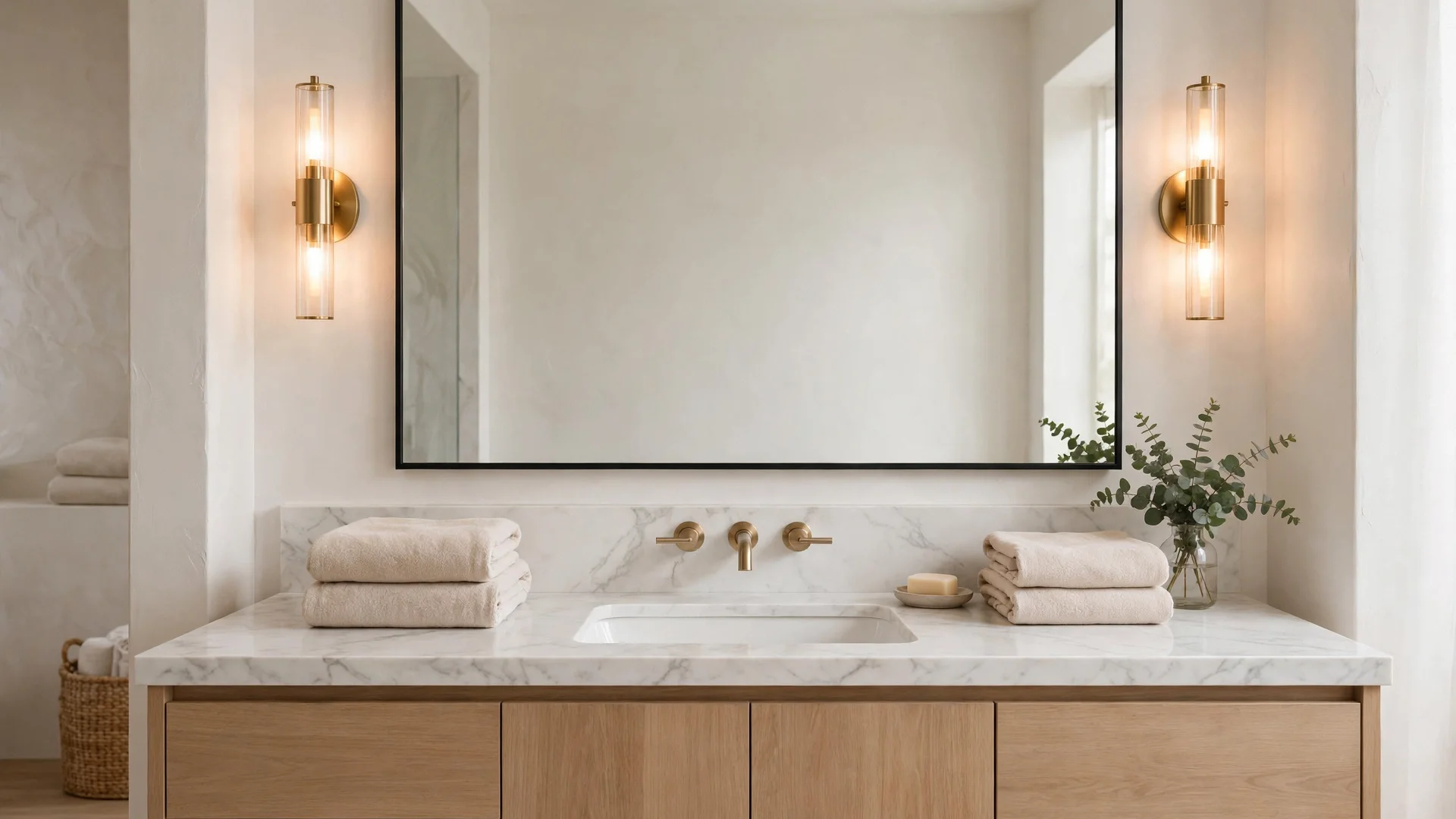
Bathrooms follow different logic because function beats decoration here. You brush your teeth, check your hair, and wash your face in front of this mirror every day, so the height has to serve the shortest person who uses it regularly. So how high to hang a mirror in a bathroom without making mornings harder? Start the bottom edge around 48 to 50 inches from the floor, or five to eight inches above the faucet, and make sure the shortest adult can see their whole face comfortably.
Light matters as much as height. Side sconces at eye level, roughly 60 to 65 inches high, give the most flattering and shadow free light, while overhead lights alone cast harsh shadows under the eyes. If two people share a wide vanity, one large mirror centered over both sinks beats two small mirrors that force a head bobbing contest. And always check the mirror’s back clearance before you buy, because a medicine cabinet depth plus a thick frame can push the glass uncomfortably far from the wall over a shallow sink.
Dining Rooms and Hallways
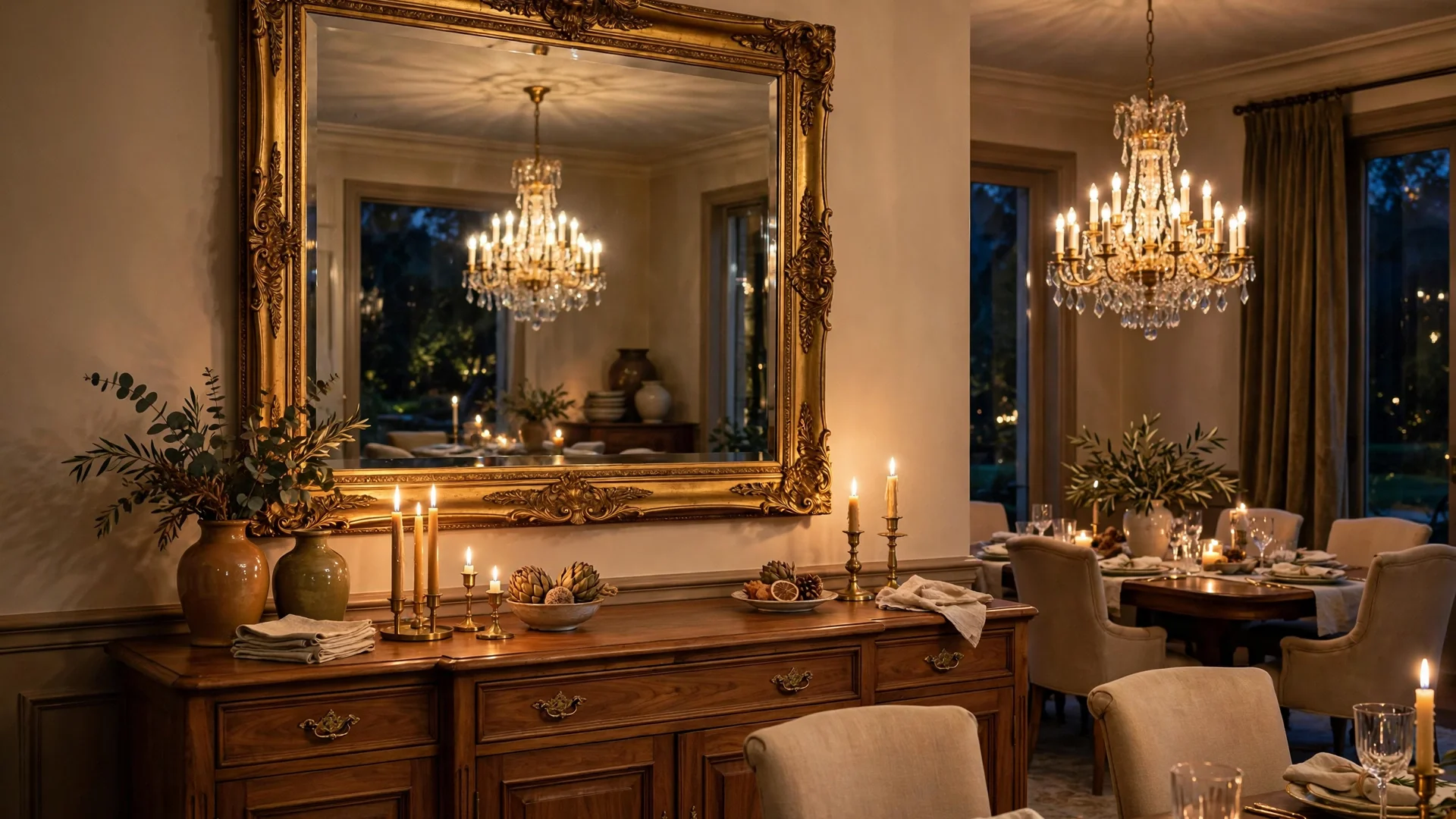
The dining room mirror has one job beyond looking good, which is doubling the candlelight. Hang it above the buffet or sideboard with the familiar six to eight inch gap, and position it to catch the chandelier or pendant lights. The reflected glow makes evening dinners feel warmer, and the room reads twice as large during parties. Keep the mirror center close to 57 inches even here, since guests admire it while seated at the table.
How High to Hang a Mirror in a Hallway
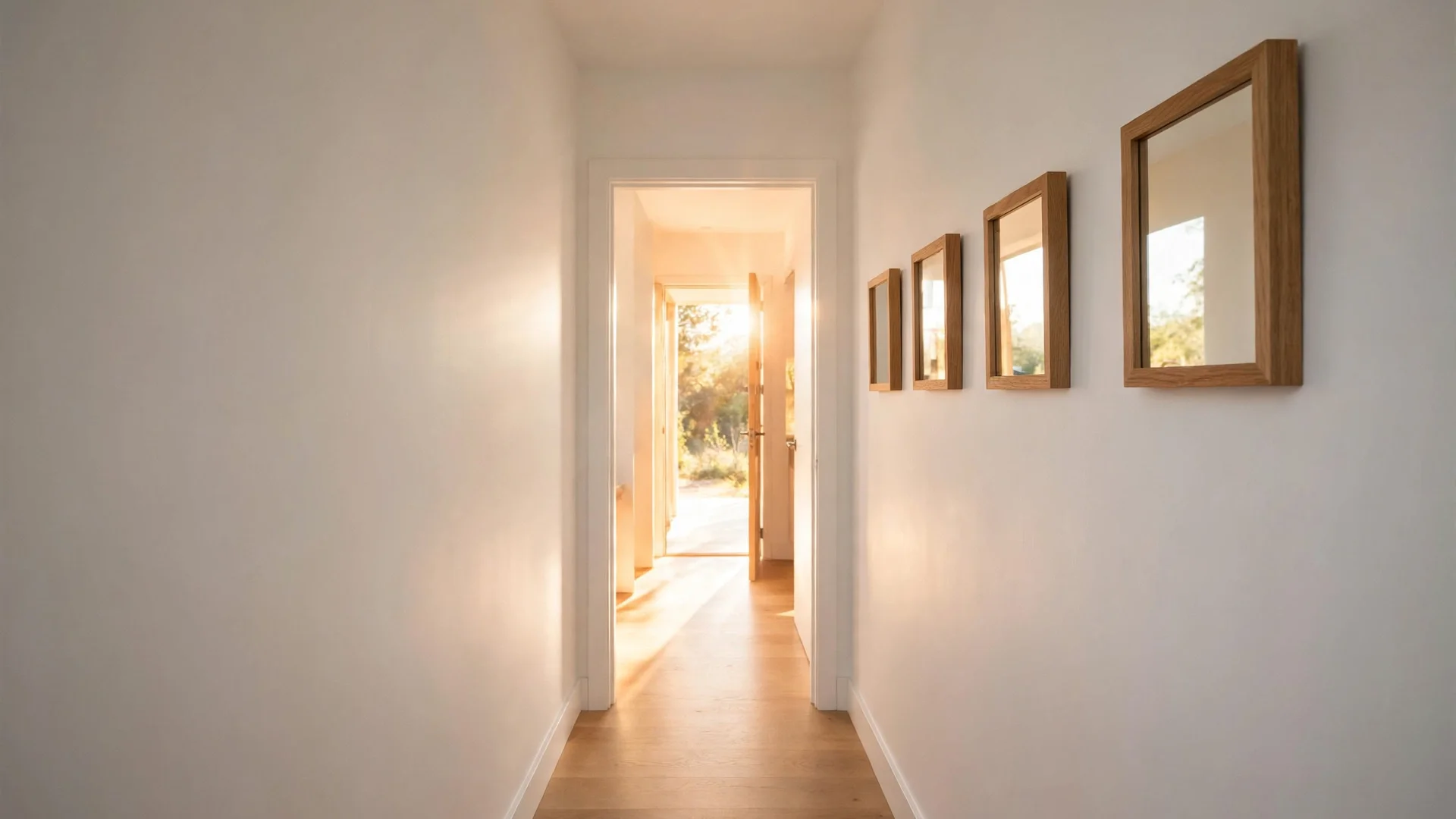
Narrow hallways are mirror gold because a well placed mirror can make a tight corridor feel twice as wide. The 57 inch center rule still governs, but placement across from a doorway or window multiplies the effect by bouncing light down the hall. In long hallways, hang a series of small identical mirrors in a straight line at the same height, which turns an awkward tunnel into a gallery. Just avoid hanging the mirror where it faces a bedroom or bathroom door directly, since the constant motion in the reflection can feel restless in a space meant for passing through.
The 3 Mistakes That Ruin a Good Mirror
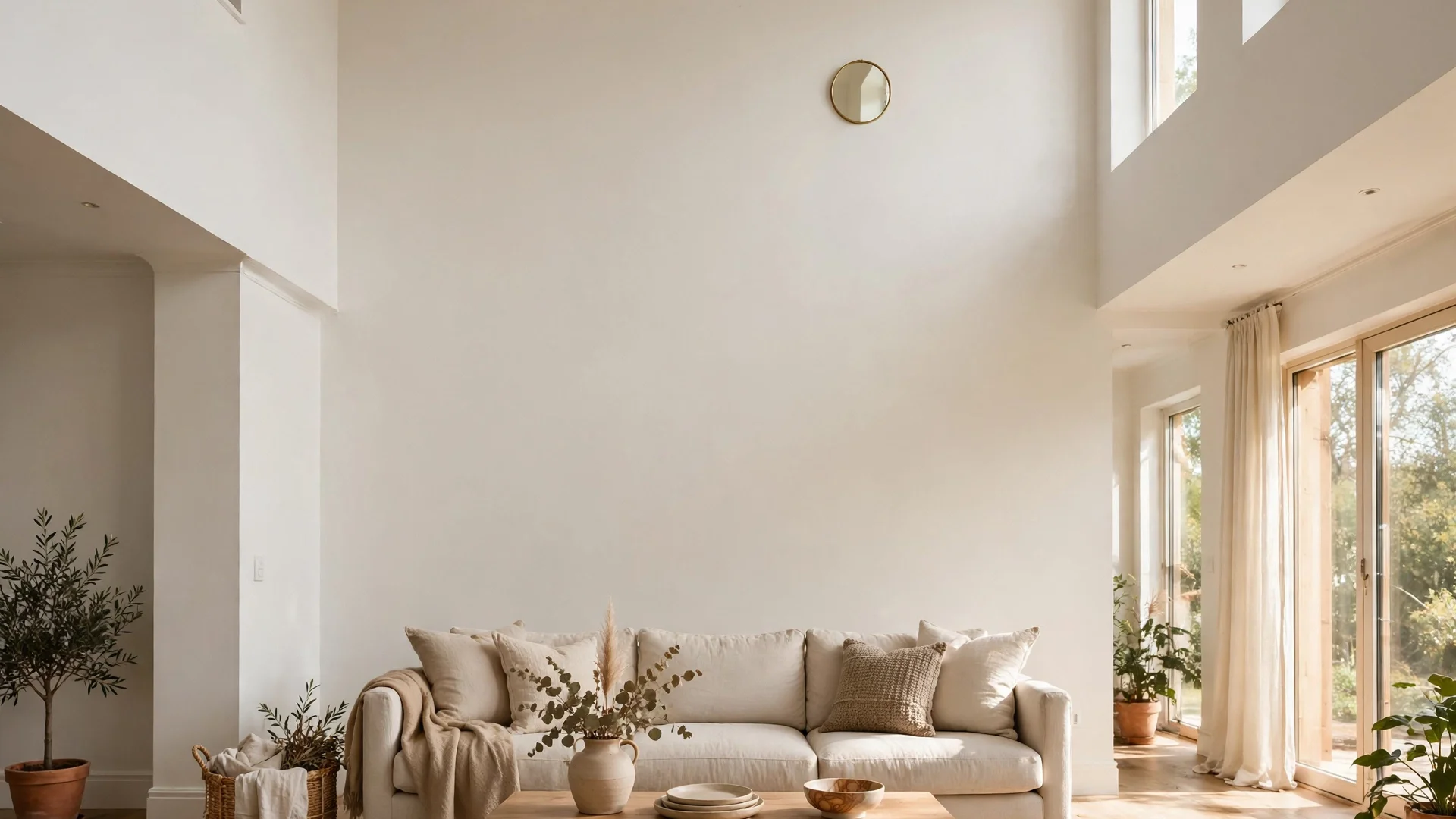
First, hanging to match the ceiling. People with tall ceilings push mirrors upward to fill the space, and the mirror ends up floating in a lonely zone nobody looks at. Fill tall walls with a larger mirror or a grouped arrangement at eye level instead.
Second, ignoring the width ratio. A tiny mirror above a long sofa or a wide dresser looks like a postage stamp. Keep the mirror between two thirds and three quarters of the furniture width, and the pairing looks intentional every time.
Third, forgetting to check the reflection. The prettiest mirror in the world fails if it reflects a blank ceiling, a messy closet, or the neighbor’s fence. Before you drill a single hole, hold the mirror in place and look at it from the spot where you will actually see it, the sofa, the doorway, the sink. If the reflection is ugly, move the mirror or change the angle, because a mirror doubles whatever it faces, good or bad.
Your 60-Second Hanging Checklist
Tape measure in hand, run through this list and you are done. Center standalone mirrors at 57 inches from the floor. Leave six to eight inches between furniture tops and mirror bottoms. Above a mantel, tighten that gap to four to six inches. In bathrooms, set the bottom edge around 48 to 50 inches so the shortest user sees their full face. Keep mirrors two thirds to three quarters of the furniture width. And if you ever second guess how high to hang a mirror, come back to the one rule that never fails. Center it at 57 inches, adjust a few inches either way for the room, and check the reflection before you drive the nail.