

Interior design in 2026 feels more thoughtful than flashy. Homeowners want rooms that age well, tell a story, and feel grounded. Walls, once treated as blank backdrops, now carry that story. This shift explains why Wainscoting & Paneling Trends sit at the center of modern interior conversations.
The same design sensitivity now guides how smaller areas are planned and detailed. The small space design direction for 2026 focuses on using smart layouts, vertical elements, and refined wall treatments to make balconies, entryways, and compact zones feel intentional rather than overlooked. Paneling in these spaces adds structure, improves comfort, and introduces understated elegance, reinforcing the idea that even the smallest parts of a home deserve the same level of thoughtful design as larger rooms.
This article explores where wainscoting and paneling are heading, why these changes matter, and how homeowners can apply them with confidence.
The Design Shift Driving Wainscoting & Paneling Trends in 2026
The renewed interest in wall paneling connects directly to lifestyle changes. Remote work, slower living, and long-term home ownership push people toward durable, timeless materials. Designers pull inspiration from classic European architecture, early American craftsmanship, and modern minimalism, blending them into something practical and current.
Instead of ornate carvings or heavy moldings, today’s wall treatments favor balance. Clean lines meet tactile surfaces. Traditional millwork adapts to contemporary layouts. This evolution reflects a broader design movement toward warmth, restraint, and authenticity.
High-end publications like Architectural Digest and long-standing preservation groups emphasize craftsmanship over trend cycles. That mindset defines wall design in 2026.
Material Choices Are More Intentional Than Ever
Natural materials dominate the conversation. Solid wood, engineered hardwood, limewashed MDF, and plaster-finished panels outperform glossy alternatives. Designers choose materials that patina gracefully and resist visual fatigue.
Wood species like white oak, ash, and walnut appear frequently, especially in living rooms and hallways. Painted paneling still matters, but finishes lean matte and mineral-based. Brands such as Sherwin-Williams influence this shift with earth-forward palettes designed for longevity.
Homeowners increasingly ask where materials come from. Sustainable forestry, low-VOC paints, and local milling now factor into wall design decisions. Paneling feels personal again, not mass-produced.


Heights and Proportions Are Getting Smarter
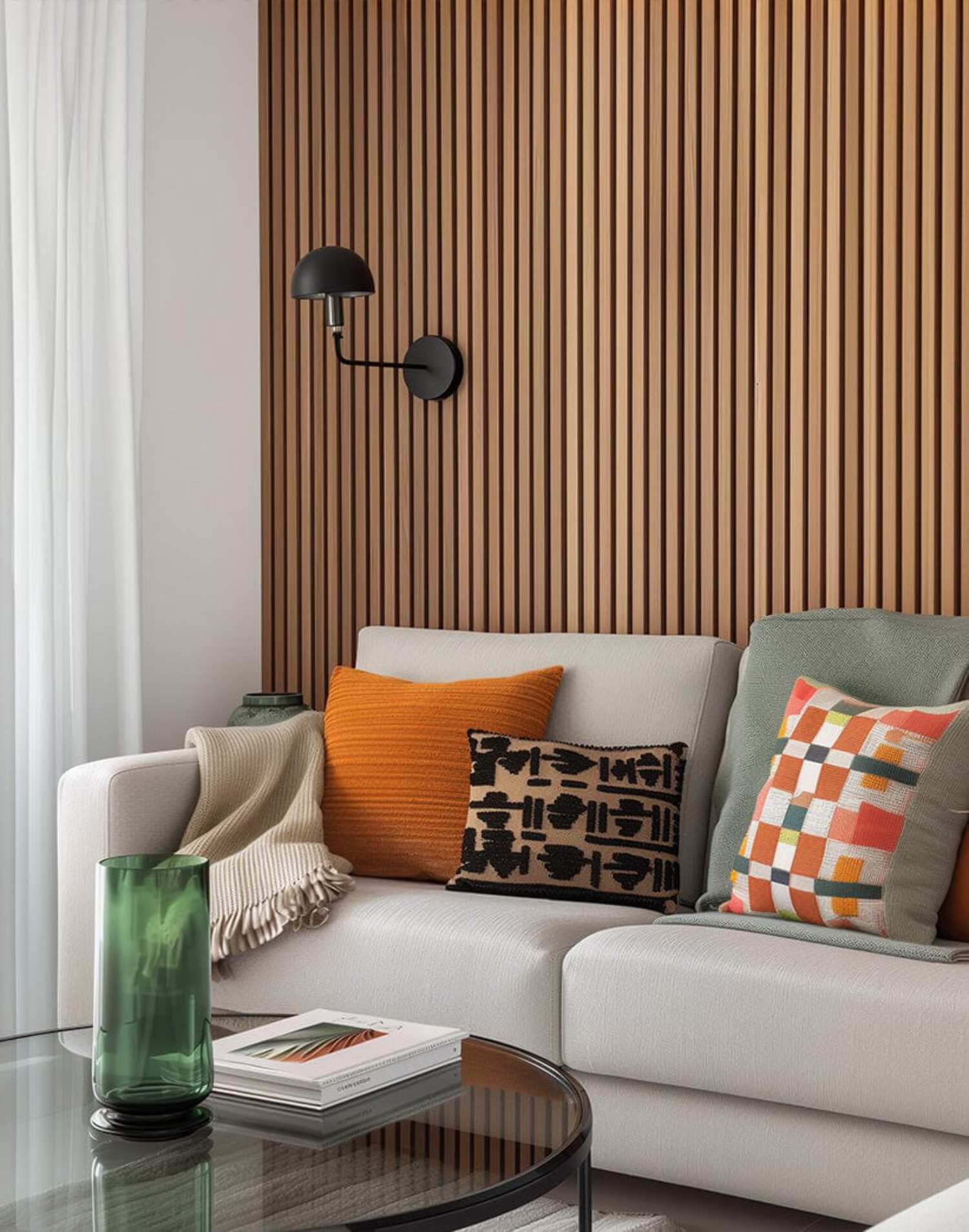
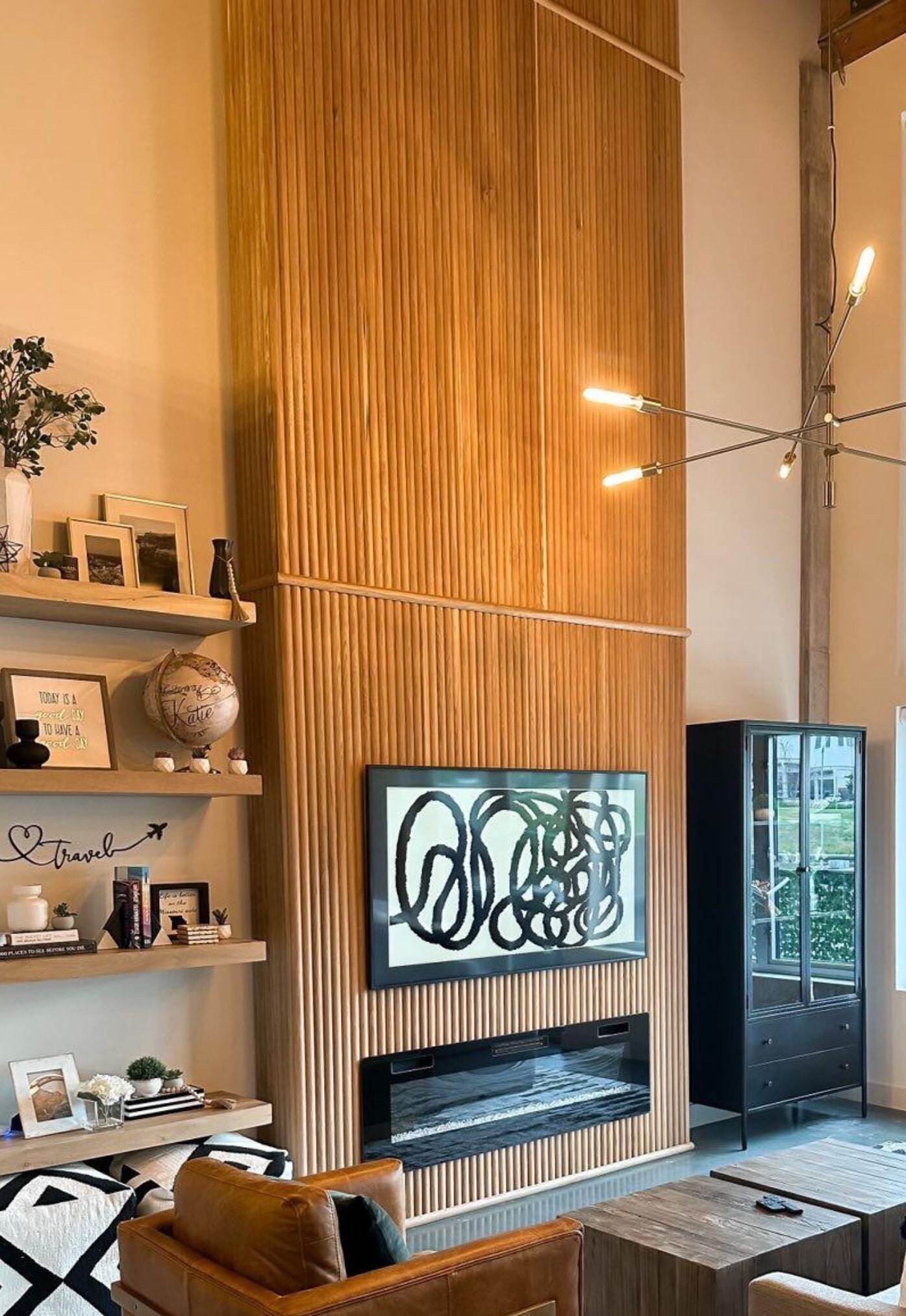
Traditional wainscoting stopped at chair-rail height. In 2026, proportions respond to ceiling height and room scale instead of rigid rules. Designers often extend paneling to two-thirds of the wall or even full height, especially in dining rooms and stairwells.
This approach creates architectural continuity. Taller paneling elongates walls and frames furniture naturally. Shorter applications still work in smaller spaces, but they follow the room’s visual rhythm rather than historical convention.
This rethinking of proportion marks one of the most practical shifts within Wainscoting & Paneling Trends.
Minimal Profiles Replace Decorative Excess
Molding profiles continue to simplify. Flat panels, narrow battens, and shallow reveals dominate modern interiors. Raised panels and heavy ornamentation now appear mainly in restoration projects or heritage homes.
Designers borrow ideas from movements like Bauhaus, where form follows function. The result feels calm and intentional. Walls support the room instead of competing with it.
Subtle shadow lines replace carved details. Precision matters more than decoration. This shift allows paneling to blend seamlessly into modern architecture while still adding depth.
Color Moves Toward Soft Saturation
White remains popular, but it no longer leads. In 2026, muted color dominates wall paneling. Think warm taupe, clay beige, soft moss, smoky blue, and weathered greige.
These tones respond well to natural light and complement wood flooring, stone surfaces, and linen textiles. Designers often color-match paneling with adjacent walls or trim to create a continuous envelope rather than stark contrast.
This color philosophy connects directly to wellness-focused interiors. Softer hues reduce visual noise and make rooms feel grounded.
Texture Becomes the New Statement
Flat, flawless walls now feel sterile. Texture brings character back into interiors. Slatted wood panels, reeded MDF, micro-grooved plaster, and hand-brushed finishes add quiet drama without overwhelming a space.
In open-plan homes, textured paneling defines zones subtly. A slatted wall behind a dining table separates it from the living area without physical barriers. Acoustic benefits add another layer of value.
Texture-driven design plays a key role in shaping modern Wainscoting & Paneling Trends.


Rooms That Benefit Most From Paneling in 2026
Living rooms remain the most common application, but other spaces now lead innovation. Entryways use full-height paneling to create instant impact. Bedrooms feature soft-toned wainscoting behind headboards for visual calm.
Bathrooms embrace moisture-resistant paneling with waterproof finishes. Mudrooms and hallways rely on durable wall treatments that hide wear while elevating everyday spaces.
Designers no longer treat paneling as formal-only. It adapts to modern family life without losing elegance.
Craftsmanship and Customization Matter More
Off-the-shelf panel kits still exist, but custom millwork defines premium interiors. Homeowners value tailored proportions, seamless corners, and precise installation.
Local carpenters and small studios gain renewed importance. Custom work allows paneling to integrate with door casings, window trims, and built-in furniture.
This focus on craft reinforces trust and longevity, key principles behind evolving Wainscoting & Paneling Trends.
How Historic Styles Influence Modern Paneling
History never disappears. It evolves. Georgian symmetry, Shaker simplicity, and early American practicality quietly inform modern designs.
Instead of replication, designers abstract these references. A Shaker-style flat panel might appear with modern spacing. Georgian proportions influence alignment rather than ornament.
Even movements like Art Deco influence geometry and rhythm without decorative excess. This balance between old and new gives paneling its enduring appeal.
Designing With Longevity in Mind
Trends fade. Good design lasts. In 2026, wall paneling prioritizes flexibility. Neutral colors allow future changes. Modular designs simplify repairs. Durable finishes reduce maintenance.
Homeowners increasingly view paneling as an architectural investment rather than décor. This mindset shift anchors the future of Wainscoting & Paneling Trends in practicality and trust.
Final Thoughts on the Future of Wall Design
Walls speak louder than ever. They shape how rooms feel, function, and age. In 2026, paneling reflects deeper values: craftsmanship, sustainability, calm, and intention.
When done well, wainscoting does not announce itself. It supports daily life quietly and beautifully. That subtle power explains why designers continue to refine and reimagine it.
The evolution of Wainscoting & Paneling Trends shows no sign of slowing. It simply grows more thoughtful with time.
Visual Content Suggestions
Feature a sunlit living room with floor-to-ceiling oak paneling and neutral furniture.
Show a close-up of textured reeded panels with soft shadow play.
Include a before-and-after comparison of a hallway transformed by custom wainscoting.
Highlight a bedroom with muted green paneling and natural linen textures.