Natural Luxe Bathroom Aesthetic 2026, A Calm Luxury That Feels Personal

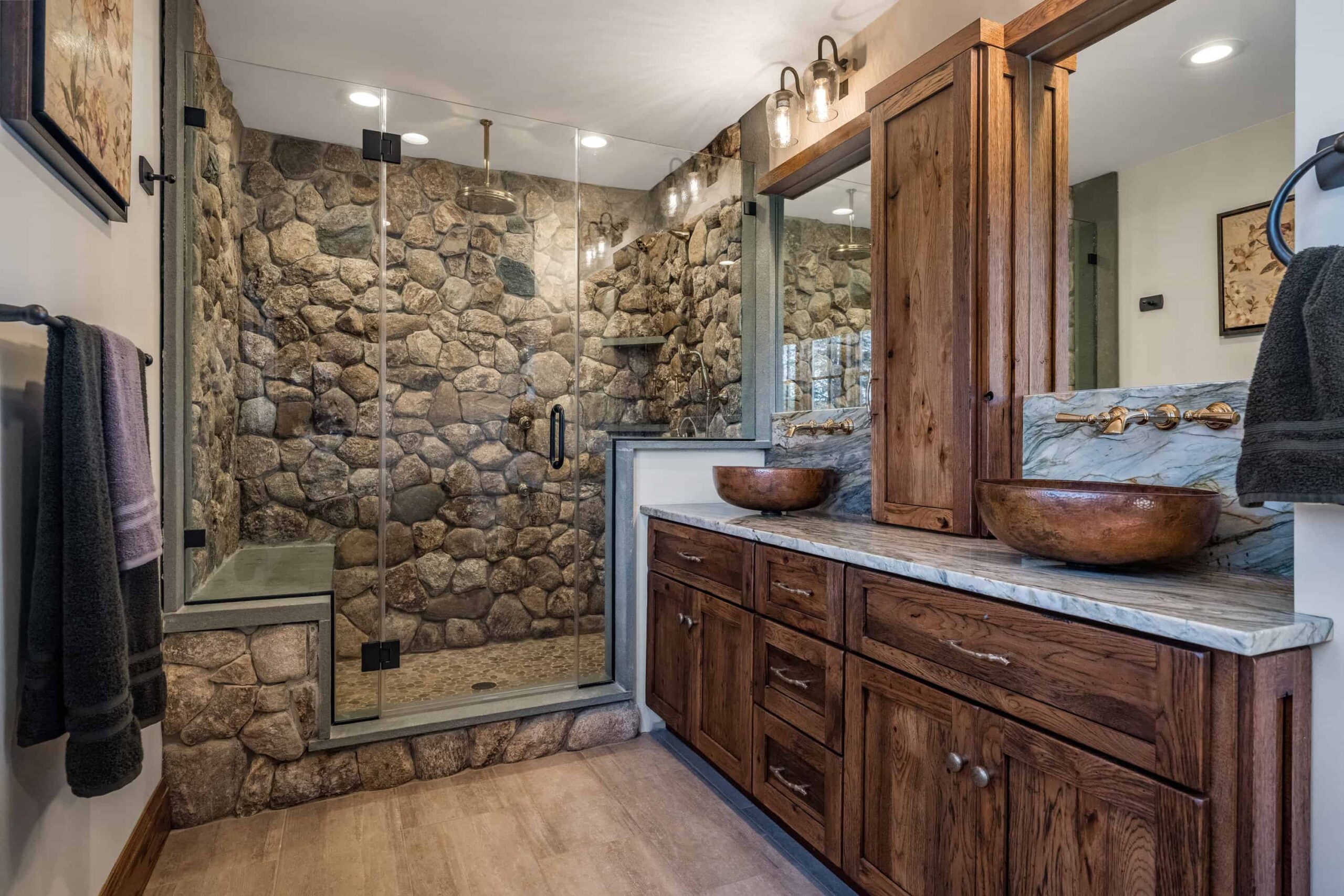
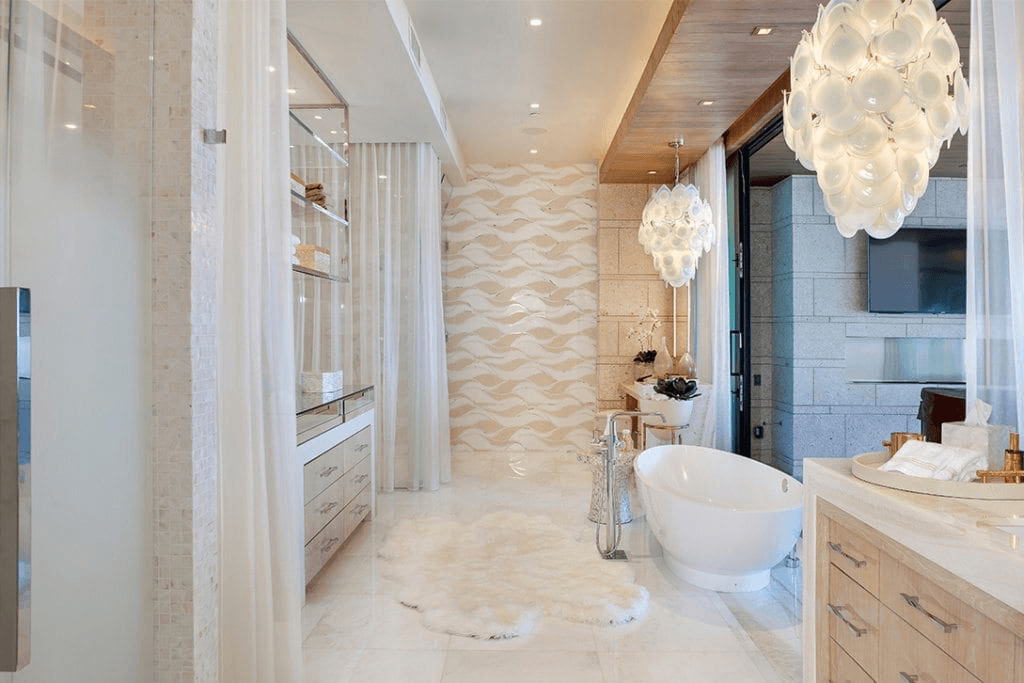


Luxury in 2026 no longer shouts. It breathes. The Natural Luxe Bathroom Aesthetic feels less like a trend and more like a quiet return to what always mattered. Warm stone under bare feet. Wood that still shows its grain. Light that shifts through the day and changes the room with it. This design direction blends refined comfort with nature driven calm, creating bathrooms that feel grounded, intentional, and deeply human.
The design thinking behind modern small-space planning reflects the same evolution toward comfort-driven living. The small-space ideas emerging for 2026 show how balconies, entryways, and other compact areas can be transformed into calm, purposeful zones through smart layouts, natural textures, and restrained styling. This approach aligns closely with the way contemporary bathrooms are designed as private retreats elevated, soothing, and intentional proving that luxury today is defined by feeling rather than excess.
The Rise of the Natural Luxe Bathroom Aesthetic in 2026
The Natural Luxe Bathroom Aesthetic in 2026 reflects a larger cultural shift toward slow living and mindful design. Homeowners want rooms that restore energy, not drain it. That desire pushed interiors away from glossy excess and toward organic modern balance, spa inspired comfort, and biophilic design principles.
Designers draw inspiration from Japanese bathing rituals, Nordic minimalism, and Mediterranean stone architecture. Architects like Tadao Ando influenced this movement with their emphasis on light, silence, and material honesty. Instead of decorative overload, the focus stays on proportion, texture, and atmosphere.
This aesthetic works because it adapts. It fits urban apartments, coastal homes, and countryside retreats. It does not depend on trends that fade. It relies on nature, which always feels current.
Materials That Define Natural Luxury Bathrooms
Stone anchors the room. Limestone, travertine, and honed marble bring visual calm and tactile richness. These surfaces age gracefully, gaining character rather than wear. Designers favor matte finishes that absorb light instead of reflecting it.
Wood follows closely. Teak, oak, and walnut appear in vanities, ceiling slats, and open shelving. The wood never looks overly polished. Visible knots and grain patterns create warmth and authenticity. This approach aligns with sustainable interior design and organic modern bathrooms that feel lived in.
Metal accents stay subtle. Brushed brass, aged bronze, and soft black steel add contrast without stealing attention. These finishes pair well with natural stone and neutral palettes, creating a cohesive, elevated look.
Light, Space, and Emotional Comfort
Light shapes how this bathroom feels more than any single object. Natural daylight takes priority. Large windows, skylights, and clerestory openings soften the room and connect it to the outdoors. When privacy matters, designers use textured glass or sheer linen curtains.
Artificial lighting supports mood. Warm LED strips tucked behind mirrors and under floating vanities create gentle layers of illumination. The glow feels closer to candlelight than task lighting.
The Natural Luxe Bathroom Aesthetic thrives on space that feels open but protected. Even smaller bathrooms benefit from floating fixtures, wall mounted toilets, and seamless walk in showers. These choices remove visual clutter and allow the materials to speak.
A Palette Rooted in Nature
Color choices stay calm and earthy. Sand, clay, warm white, taupe, and soft gray dominate the walls and floors. These hues reflect nature and reduce visual noise. Designers avoid stark white because it feels cold and clinical.
Subtle contrast comes from darker stone veins, weathered wood, or charcoal accents. Plants add life. Olive trees, ferns, and trailing greenery soften hard surfaces and support biophilic interior design.
This restrained palette allows the Natural Luxe Bathroom Aesthetic to remain timeless. It adapts easily as tastes evolve, without requiring a full renovation.
Fixtures That Feel Crafted, Not Trendy
Luxury in 2026 values craftsmanship. Freestanding stone tubs replace sculptural novelty tubs. Their forms feel carved rather than designed. Water flows quietly, without dramatic splashing.
Faucets feel solid and intentional. Wall mounted taps reduce visual clutter and highlight the stone behind them. Many designers choose brands known for precision engineering and long term durability, such as Dornbracht.
Showers feel immersive. Rain heads pair with hand showers and body sprays, all hidden within clean architectural lines. The goal stays comfort, not spectacle.
Storage That Disappears Into Design
Clutter breaks calm. Storage solutions in this aesthetic remain discreet and integrated. Recessed niches replace bulky shelves. Drawers hide everyday items behind wood panels that blend seamlessly with the wall.
Open shelving stays minimal. A folded linen towel, a ceramic vessel, or a piece of natural soap earns its place. Everything else stays hidden.
This thoughtful approach supports wellness focused bathrooms that feel easy to maintain and emotionally restful.
Textiles and Finishing Touches
Textiles soften the space. Thick cotton towels, stone washed linen bath mats, and woven baskets introduce gentle texture. Colors remain neutral to maintain visual harmony.
Accessories stay purposeful. Handmade ceramic trays, natural loofahs, and glass containers replace plastic clutter. Even scent matters. Essential oils like eucalyptus or cedarwood reinforce the spa inspired atmosphere.
In the Natural Luxe Bathroom Aesthetic, every item earns its presence through function and beauty.
Sustainability as Quiet Luxury
True luxury now includes responsibility. Homeowners expect eco conscious choices without sacrificing beauty. Low flow fixtures conserve water. Locally sourced stone reduces environmental impact. Reclaimed wood adds character and history.
Certifications and transparency matter more than labels. Designers often reference standards from organizations like Forest Stewardship Council to ensure ethical sourcing.
This commitment elevates the space beyond appearance. It adds meaning.
How This Aesthetic Transforms Daily Life
A bathroom designed this way changes routines. Morning showers feel grounding. Evening baths feel restorative. The space encourages slower movement and mindful presence.
That emotional impact explains why the Natural Luxe Bathroom Aesthetic continues to gain momentum. It answers a deeper need for balance and calm within the home.
Designing With Intention, Not Imitation
The most successful spaces avoid copying photos exactly. They adapt the principles to personal habits, climate, and architecture. A city apartment may focus on texture and lighting. A rural home may emphasize views and raw materials.
Designers who embrace this mindset create bathrooms that feel authentic, not styled. That authenticity defines lasting luxury.
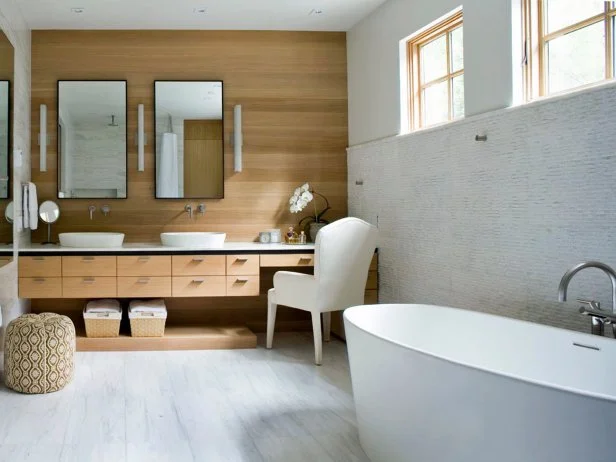


Image Ideas for Visual Storytelling
Imagine a limestone bathtub near a window framed by linen curtains. Picture a floating oak vanity lit by soft, indirect light. Visualize steam rising in a stone shower surrounded by greenery. These images capture the emotional core of the aesthetic.
Final Thoughts
The Natural Luxe Bathroom Aesthetic represents where interior design is heading. It values calm over drama, quality over excess, and feeling over fashion. In 2026, luxury feels quieter, warmer, and more human. This bathroom does not impress guests loudly. It restores the people who use it every da

