Standard Bookshelf Height: What Size Works Best in Your Room?

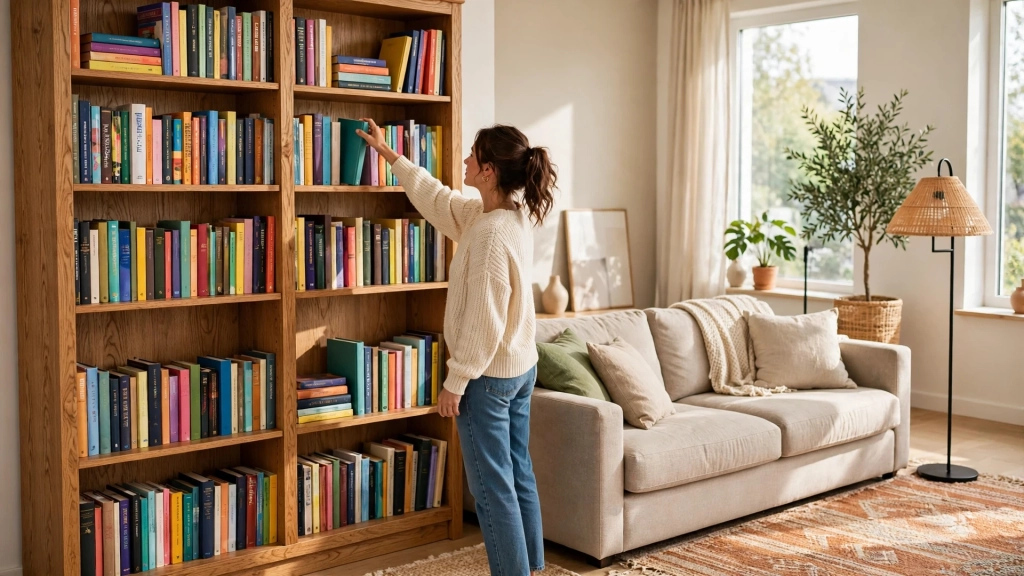
Last spring, I bought a tall wooden bookshelf for our living room. It looked perfect in the store. Six feet of warm oak with five shelves and room for every book I owned. I brought it home, stood it against the wall, and stepped back. It towered over the sofa. It brushed the ceiling trim. My favorite novels sat on the top shelf where I could barely reach them, and the bottom shelf hid behind the sofa arm. The shelf was beautiful, but the room felt wrong. A week later, I learned that the standard bookshelf height is not a guess. It is a simple number, and it changes how a room feels. I swapped the tall shelf for a shorter one, moved the novels down to eye level, and the whole room relaxed. This guide shares what I learned, so your bookshelf fits your room the first time.
What Is the Standard Bookshelf Height?
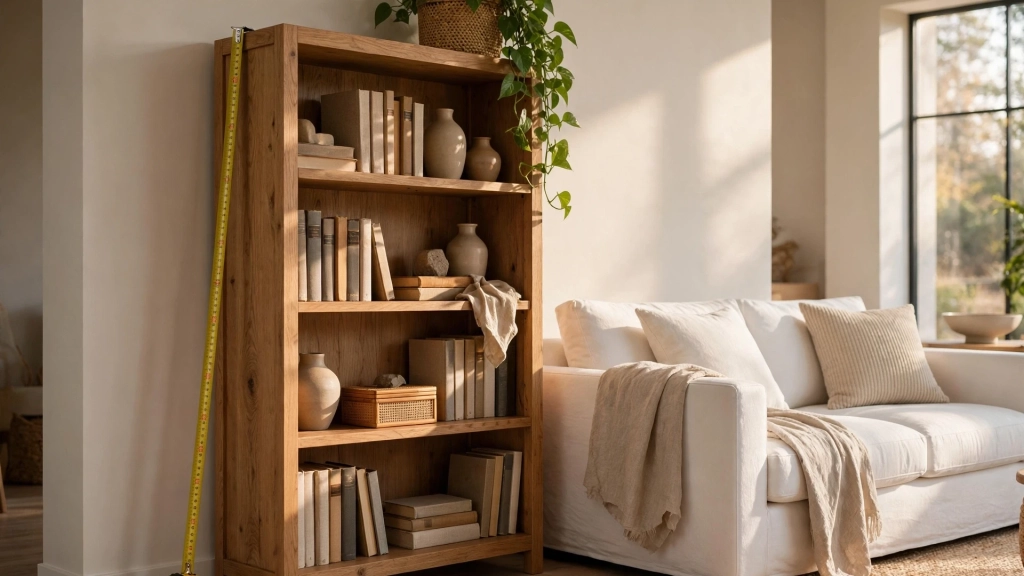
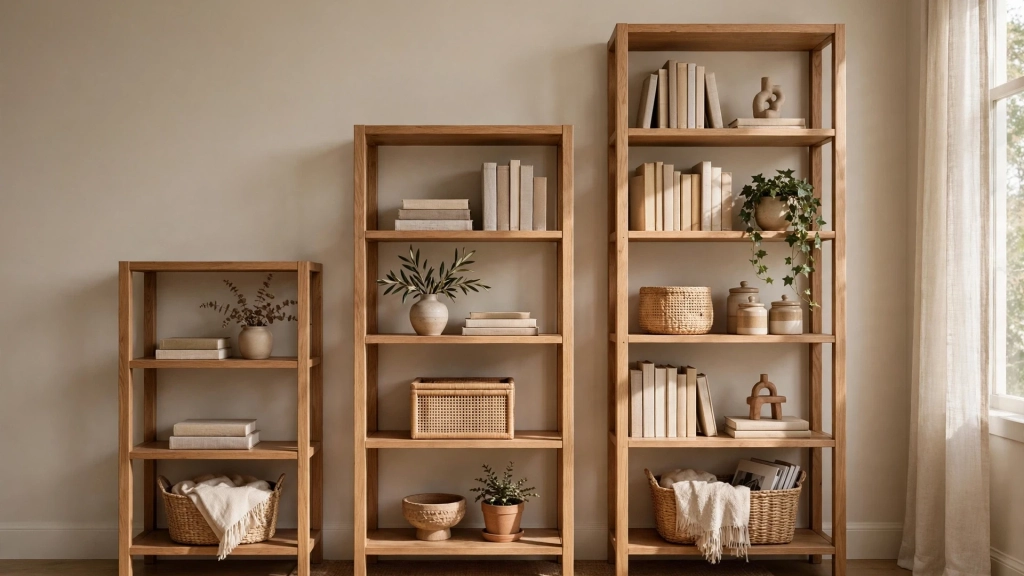
The most common bookshelf stands 72 inches tall, which is six feet. That is the height you will see in most furniture stores, and it fits most rooms with eight foot ceilings. It holds five or six shelves of books and still leaves breathing room above it. Shorter options are common too. A 60 inch shelf works well in smaller rooms. A 48 inch shelf fits nicely under a window or beside a low sofa. A 36 inch shelf works as a side table or a room divider. An 84 inch shelf reaches seven feet and suits rooms with high ceilings. The standard bookshelf height of 72 inches is the safe middle ground for most homes. It gives you plenty of storage without crowding the room.
Why 72 Inches Became the Go-To Height
The number 72 did not come from nowhere. It comes from the average reach of an adult and the height of a normal ceiling. Most adults can reach about 72 inches without a step stool, so the top shelf stays useful. Most ceilings sit at 96 inches, so a 72 inch shelf leaves two feet of space above it. Book sizes shaped the number too. A normal novel stands about eight inches tall, and a large art book stands about twelve. Five shelves of books plus the frame land right near 72 inches. The number bends a little for different rooms.
How Many Shelves Fit in a Standard Shelf?
Count the shelves before you fall in love with a bookshelf. A 72 inch bookshelf usually holds five adjustable shelves plus the base, which gives you six rows of books. A 60 inch shelf usually holds four, and a 48 inch shelf usually holds three. More shelves do not always mean more storage. Tight spacing wastes the top of each shelf, and wide spacing wastes the bottom. Adjustable shelves fix this. You move each shelf to match the books on it, and no space goes to waste. When you shop, ask if the shelves move, and measure your tallest books first if they do not.
Shelf Spacing: The Hidden Part of the Height
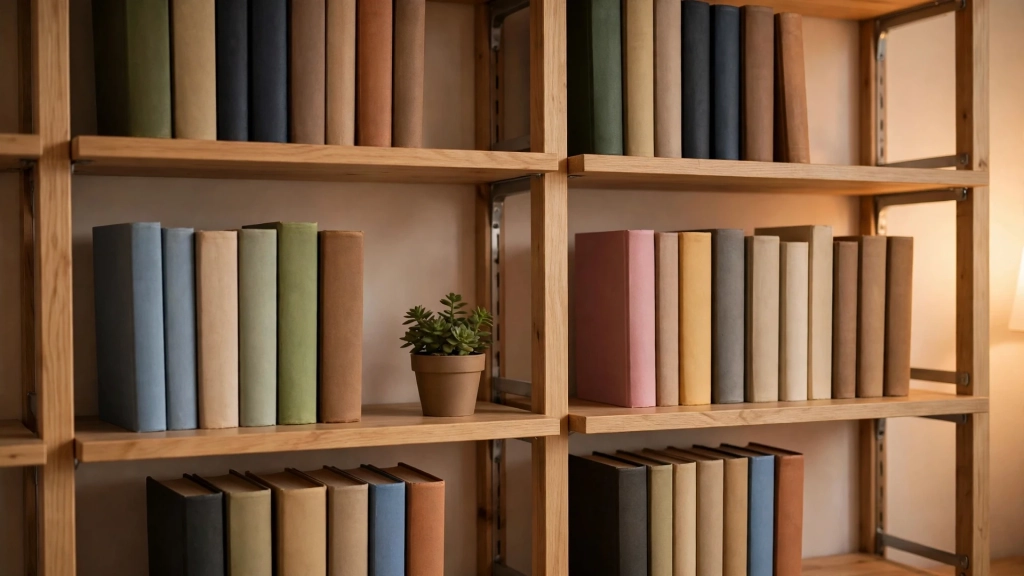
Height gets all the attention, but spacing decides whether your books actually fit. Most paperbacks need about ten inches of clear space between shelves, hardcovers need about twelve, and large coffee table books need fourteen or more. If every shelf sits twelve inches apart, your books fit, and the shelf looks calm and even. If the spacing is too tight, you will tilt your books sideways or stack them in piles. If the spacing is too wide, you waste a shelf of storage on every row. Adjustable peg holes solve this. Set the bottom shelves wider for tall books and the top shelves tighter for paperbacks, and the rows look neat. Spacing is the small detail that makes a tall shelf feel smart instead of just big.
How to Measure Your Books Before You Buy
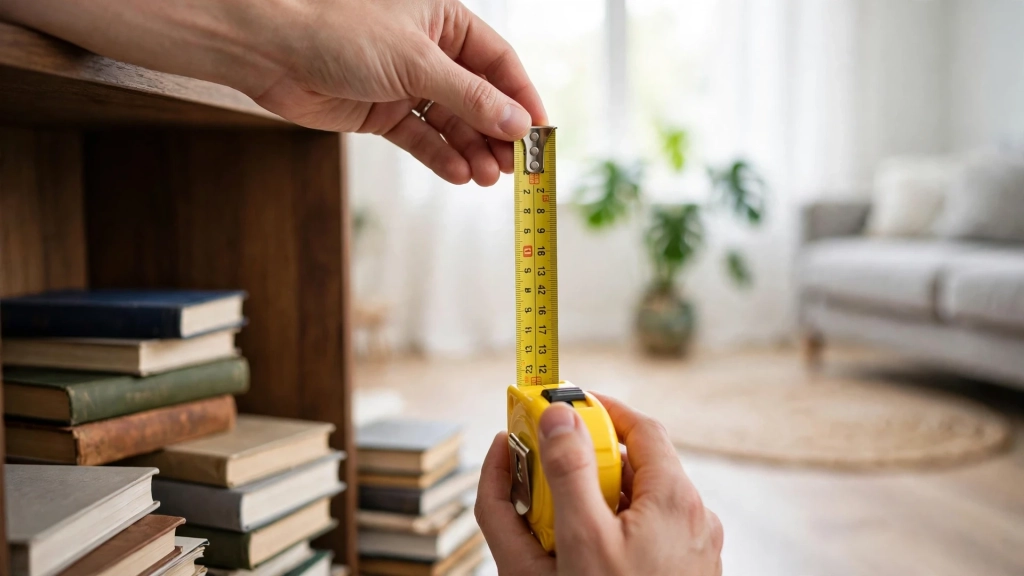
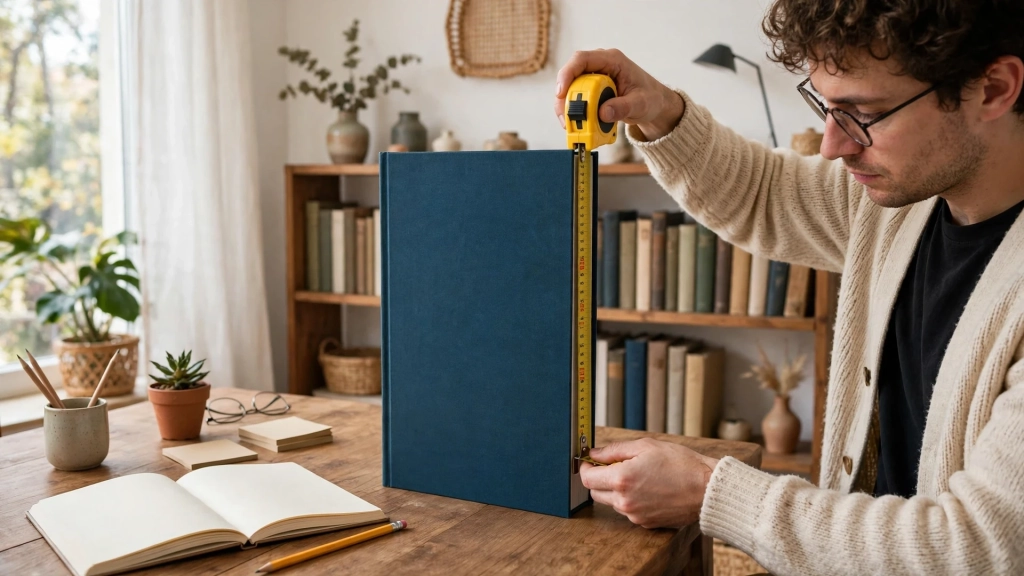
Grab your tallest books and measure them before you shop. Stand your biggest hardcover, your tallest art book, and your widest cookbook on a table and measure each one from base to top. Add one inch of clearance above the tallest book so you can pull it out without scraping the shelf above. Write the numbers down and take them to the store. Check the clear space between shelves, not just the total height of the unit, because a tall looking shelf can still fail your tallest book. Five minutes with a tape measure saves you a return trip.

Standard Bookshelf Height for a Living Room
The living room is where most bookshelves live, and the room sets the rules. A 72 inch shelf works well beside a sofa or against a long wall. It fills the wall without touching the ceiling and holds enough books to feel like a small library. A 72 inch shelf stays the safe pick for most living rooms, because it balances storage and style. If your sofa is low and your ceilings are eight feet, a 60 inch shelf can look better, because it keeps the top below eye level when you stand and the room feels open. A tall wall and a reading chair suit an 84 inch shelf, which adds drama and holds a whole collection. Pair the shelf with the furniture near it. A shelf that matches the height of a nearby cabinet or door frame blends in and feels planned.
Depth and Width Matter Too
Height is only one number. Most bookshelves are 10 to 12 inches deep, which fits a normal book with a little room to spare. A shelf deeper than 14 inches wastes space behind the books, and a shelf shallower than 9 inches leaves books sticking out past the edge. A shelf wider than 36 inches can sag in the middle under heavy books unless it has a center support. Two narrow shelves side by side often look better and last longer than one very wide one, so measure the wall and leave a few inches of space on each side.
Bookshelf Height for a Home Office
A home office needs a shelf that works while you sit at a desk. A 60 inch shelf beside a desk keeps your reference books within reach, so you can grab a book without standing up, and the top holds a plant or a lamp. A 72 inch shelf works too if the desk sits against a long wall with room to step back. Keep the books you use every day on the middle shelves at eye level when you sit, and put the books you rarely touch on the top shelf. If your office doubles as a guest room, a 48 inch shelf works as a divider between the desk and the bed, and it stores books without blocking the light. The right height in an office is the one that keeps your daily books close and your room calm.
Anchor Tall Shelves to the Wall
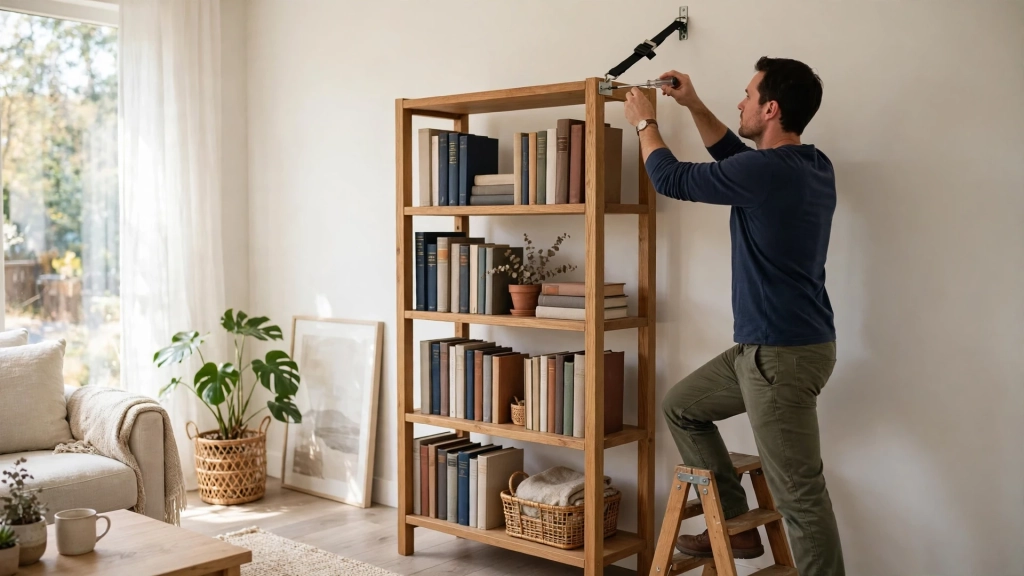
Any shelf taller than 60 inches needs an anchor. Books are heavy, and a tall shelf can tip forward if a child climbs it or if someone pulls a heavy book from the top. Most shelves come with a small strap or bracket. Screw one end into the back of the shelf and the other into a wall stud before you load a single book, because a full shelf is much harder to move. It takes ten minutes, and it protects your family and your books.
Standard Bookshelf Height for Kids Rooms
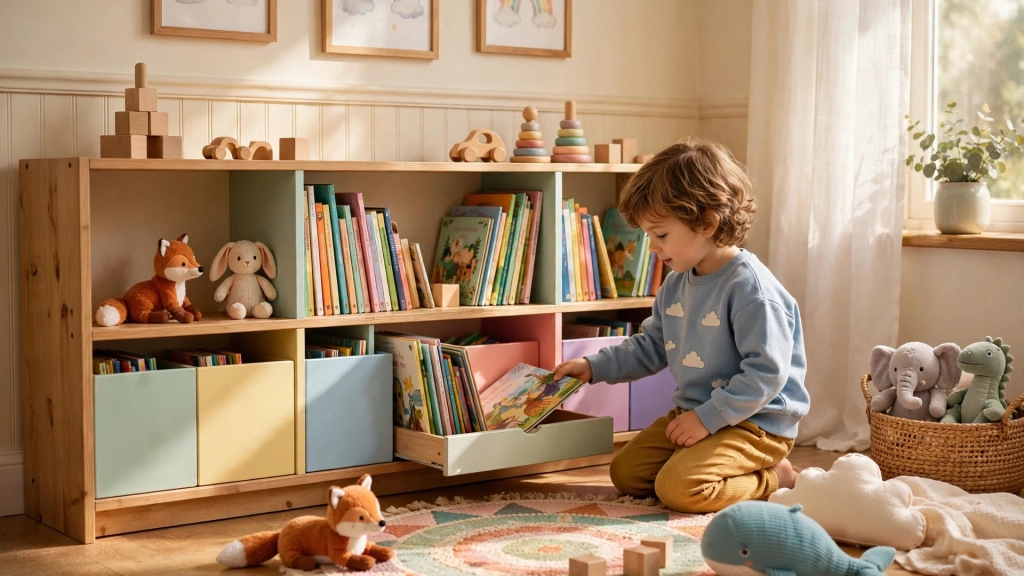
Kids need shelves they can reach, not shelves they admire from below. A 48 inch shelf works well for most kids rooms, because a child can see every book, pull one out, and put it back without help. The standard bookshelf height for a kids room stays low on purpose, because independence matters more than storage. For toddlers, a 36 inch shelf or a low forward facing rack works even better, with covers facing out so kids pick by the picture. For teenagers, a 60 inch shelf fits a growing collection of novels and school books, with the heavy books on the bottom shelves so the shelf stays stable. Put a small lamp on top, and the shelf becomes a reading corner instead of just storage. Let your child pick which books live at eye level, because they will read more when the books feel like theirs.
Three Mistakes That Ruin a Good Bookshelf
Most bad bookshelf buys share the same three mistakes. The first is buying too tall for the room, because a shelf that brushes the ceiling makes the room feel small and the top shelf becomes a dust shelf. Measure your ceiling first. Leave at least 18 inches of space above the shelf so the room can breathe. The second mistake is ignoring shelf spacing, because fixed shelves that do not fit your books waste space on every row. Check the clear space between shelves before you buy, and pick adjustable shelves when you can. The third mistake is overloading the top. Heavy books belong low, where they keep the shelf stable, and light books and decor belong high. Once you know the standard bookshelf height, you stop guessing and start measuring. Match the shelf to your books, your ceiling, and your room. The shelf will look right and last for years.
How to Measure Before You Buy Anything
Good bookshelf buys start with a tape measure, not a shopping cart. Measure the wall first and mark the height of the shelf on the wall with painter tape. Does it clear the ceiling trim? Does it crowd the sofa or the door frame? Step back, move the tape until the height feels right, and check the spacing for your tallest books. Only when the tape looks right should you order the shelf. Measure twice, buy once, and enjoy the shelf for years.
Your Books Deserve the Right Shelf
That tall oak shelf from last spring now lives in our hallway, where its height fits the wall, and the living room has a 60 inch shelf that holds my novels at eye level. The rules are simple. Most rooms want a 72 inch shelf. Small rooms want 60 or 48 inches. Kids rooms want a low shelf they can reach. Spacing matters as much as height, and heavy books belong low. So before you buy your next shelf, measure your wall, measure your books, and trust the standard bookshelf height. Your books and your room will thank you every time you walk in.