How Wide Should Curtains Be? The 2 to 2.5x Fullness Rule That Works

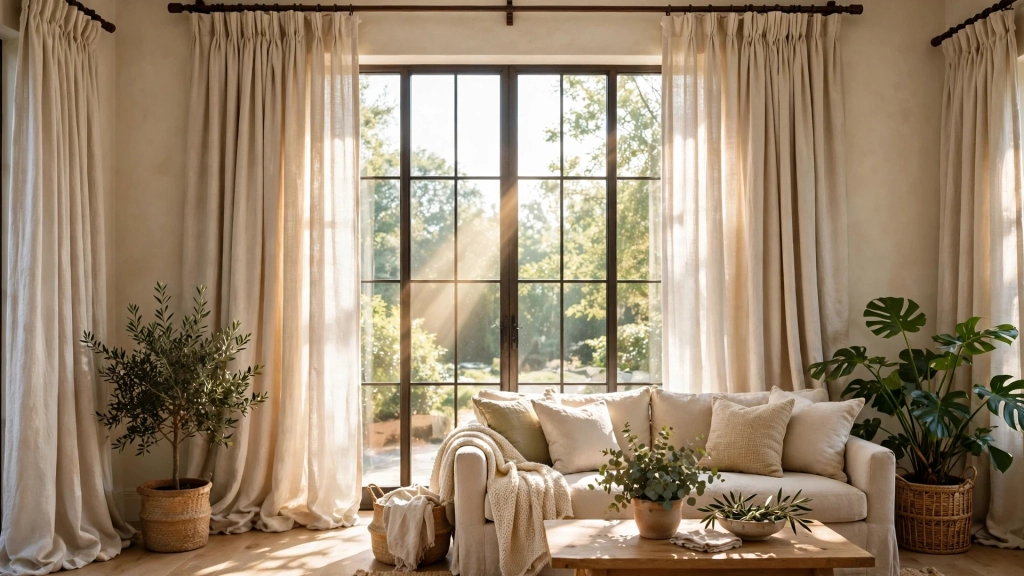
My sister called me last spring, excited about her new curtains. She had spent a full Saturday driving to three stores, and she had finally hung them that evening. Then she sent me a photo. The fabric looked lovely, but the window looked starved. Each panel pulled flat like a sail, barely covering the glass. She had asked everyone in the store how wide should curtains be, and every answer was vague. This guide gives you the exact rule she never got.
Here is the short version. Total curtain width should measure 2 to 2.5 times the width of your curtain rod. That single rule fixes almost every skimpy curtain problem you will ever see. The rest of this article shows you the math for one panel or two, the difference between grommets and pinch pleats, and what to do with narrow windows and wide sliding doors.

How Wide Should Curtains Be? Meet the Fullness Rule
The question of how wide should curtains be sounds like a style opinion, but it is really a math problem. Flat fabric that just covers the glass looks cheap and unfinished. Folds give curtains their rich, gathered look, and folds need extra fabric. The fullness rule says your total curtain fabric must measure 2 to 2.5 times the rod width, so that when you close the curtains they carry generous waves instead of stretching tight.
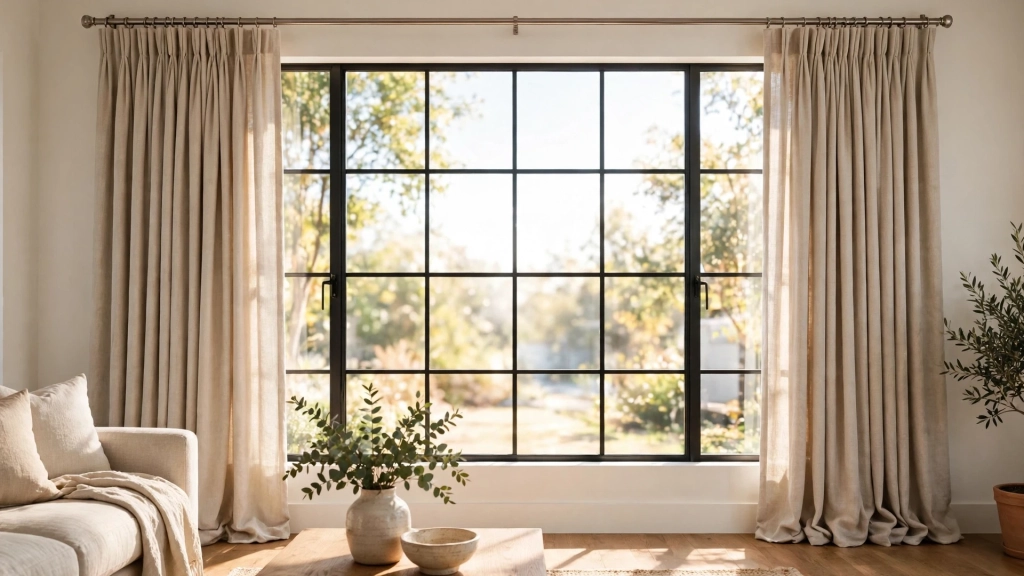
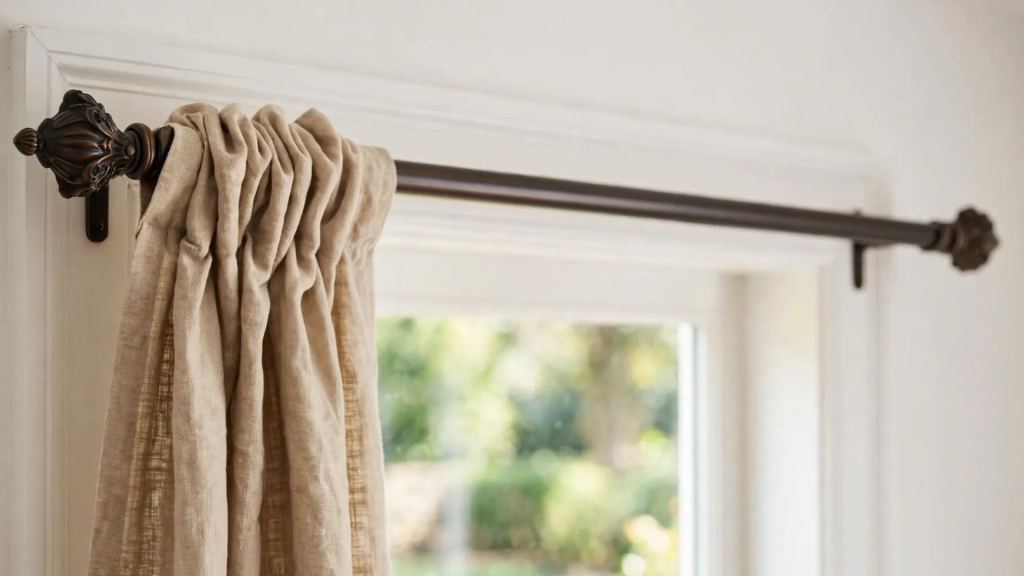
Why rod width and not window width? Because rods extend past the frame. A curtain rod usually reaches 4 to 6 inches beyond the window on each side, and when curtains close, they gather along that whole rod. Measure the rod first. Multiply it by 2 for a tailored look or by 2.5 for a fuller, more luxurious look. That range covers almost every fabric weight and header style.
Interior designers call this measurement curtain fullness, and professionals at places like The Shade Store and IKEA recommend the same 2x range for ready made panels. Going below 2x fullness is the number one reason store bought curtains look thin at home even though they looked fine in the package.
Curtain Panel Math, Single Panel vs Double Panels
Now the fun part. You know the total width you need, so split it across panels.
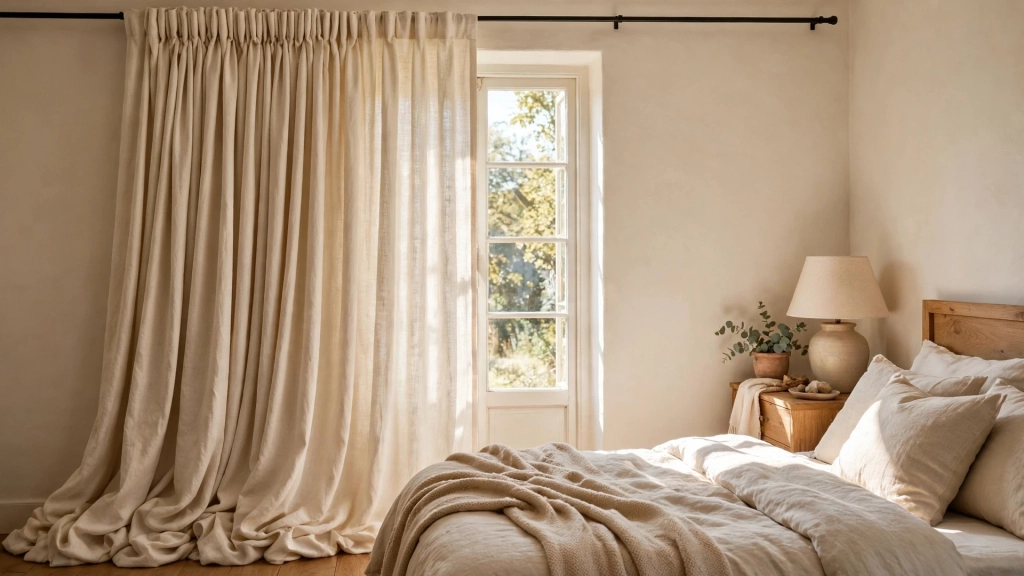
For double panels, the most common setup, each panel should equal half of the total. Take a 60 inch rod. Multiply by 2.5 and you get 150 inches of total fabric. Each panel needs about 75 inches of flat width. Round to the nearest ready made size, and two 72 to 84 inch panels work beautifully. Slightly more fabric always beats slightly less.
For a single panel pulled to one side, the whole 2 to 2.5x total goes into one panel. A 40 inch rod calls for one panel of 80 to 100 inches of flat fabric. Single panels look best on smaller windows where symmetry matters less, like a kitchen window over the sink. Keep in mind that a single wide panel gets heavy, so pair it with a sturdy rod and a center support bracket.
Ready made panels usually come in widths of 42, 52, 72, or 84 inches. Do the math first, then buy the combination closest to your number. Two 52 inch panels give 104 inches of fabric, which suits a rod up to about 50 inches at 2x fullness. When in doubt, size up. Extra gathers always look richer, while a panel pulled tight looks like a mistake.
How Wide Should Curtains Be for Grommets vs Pinch Pleats?
Header style changes the math. Grommet top curtains hang in smooth, deep waves and need about 2 times the rod width. The metal rings eat a little fabric at each fold, so add a small buffer if you want a perfect close. Rod pocket curtains gather the tightest of all and need 2.5 to 3 times the rod width to avoid looking flat.
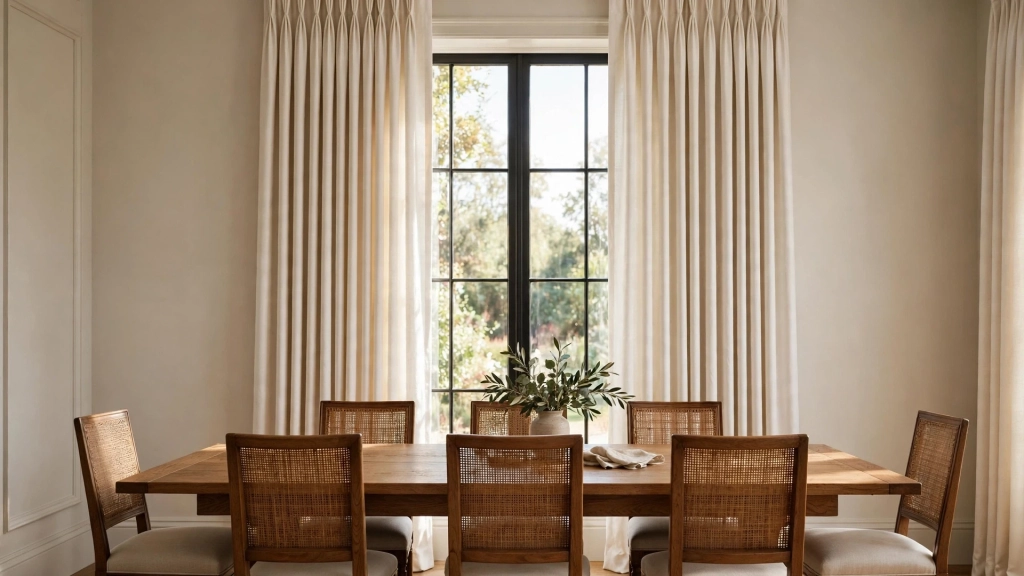
Pinch pleat curtains look fuller with less fabric because the pleats are sewn in. You can use 2 to 2.5 times the rod width and still get beautiful folds. This is why formal living rooms and dining rooms often use pinch pleats. They deliver that tailored, expensive look without needing 3x fabric.
Rod Width vs Window Width, Measure the Right Thing
Beginners measure the window frame and buy panels to match. That is the classic mistake, and it is exactly how curtains end up too narrow. The first decision is how wide should curtains be for the rod you already own, because your rod is wider than your window by design, and measuring the window gives you a number that is 8 to 12 inches too small before you even start.
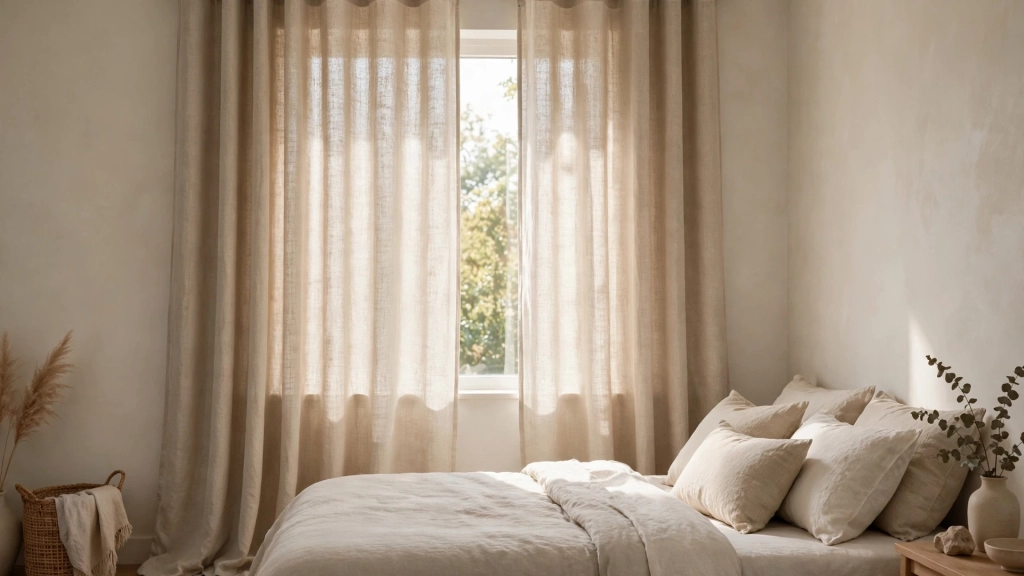
Hang the rod first. Extend it 4 to 6 inches past the frame on each side so that open curtains stack off the glass and let in full light. Then measure the rod from end to end, finial to finial excluded, just the pole where fabric will sit. Multiply that number by 2 to 2.5. That is your total fabric width, and it already accounts for the stacking space your curtains need when open.
For bay windows or corner windows, treat each section as its own window. Measure each rod section separately and apply the fullness rule to each one. You will end up with a set of narrower panels that overlap slightly at the corners, which looks far better than one giant panel fighting the angles.
Narrow Windows and Wide Sliding Doors
Small windows scare people into buying small curtains. Resist that. A narrow 30 inch window still needs 60 to 75 inches of total fabric for the fullness rule to work. If two panels feel like too much fabric for a tiny window, use a single panel of 60 to 75 inches pulled to one side. The window looks bigger, the fabric has folds, and everyone wins. Sheer curtains layered behind add fullness without weight.
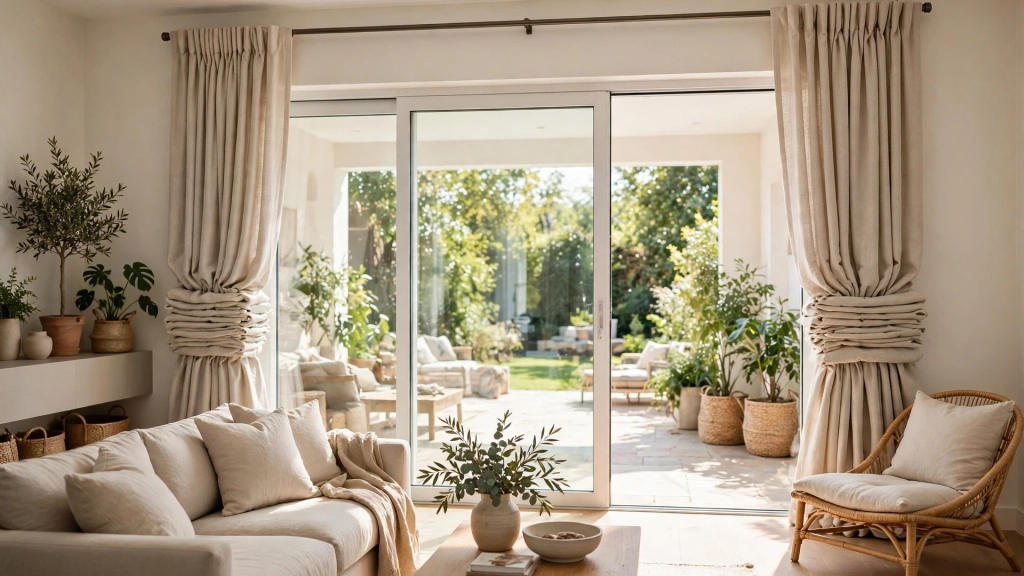
The rule for how wide should curtains be does not change for wide openings, only the panel count changes. Sliding glass doors and patio doors often span 96 to 144 inches of rod. The fullness rule says you need 2 to 2.5 times that, which is 240 to 360 inches of fabric. That sounds like a lot, but divide it across four panels of 60 to 84 inches and it becomes manageable. Traversing curtains on a track work well here because they stack neatly. Keep each panel under 90 inches wide so they slide smoothly without dragging.
The Step-by-Step Measuring Guide
Every step below answers how wide should curtains be in a way you can measure at home. Grab a metal tape measure. A cloth tape stretches and lies, so use the metal one.
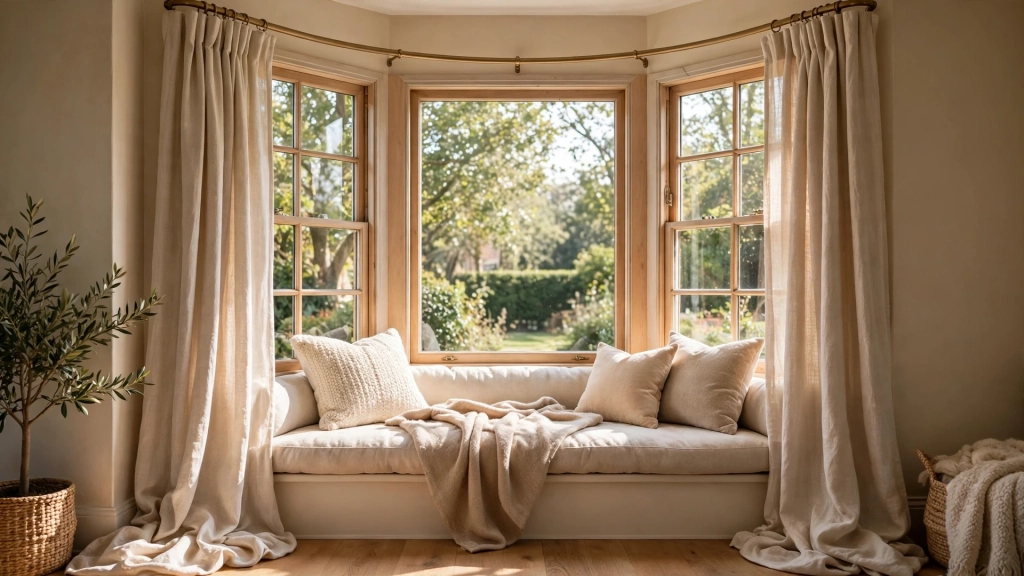
First, hang your rod or mark its position. Extend it 4 to 6 inches beyond the window frame on both sides and make sure it sits 4 to 6 inches above the frame. Second, measure the rod length where fabric will hang, end to end. Third, multiply that number by 2 for a tailored look or 2.5 for a full look. Fourth, decide on single or double panels and divide the total width by the number of panels. Fifth, round each panel to the nearest ready made width, always rounding up.
Worked example. A bedroom window has a 72 inch rod. Multiply by 2.5 and you need 180 inches of fabric. Two panels mean 90 inches each. Buy two 84 inch panels and you land close enough, with fullness that looks generous. If you prefer pinch pleats, multiply by 2 instead. That gives 144 inches, or two 72 inch panels, which still look rich because the pleats do the work.
Mistakes That Make Curtains Look Cheap
The biggest mistake is buying panels that only cover the window width. A 50 inch window with a 60 inch rod needs 120 to 150 inches of fabric, not 100. The second mistake is skipping the rod extension. Curtains that cannot stack off the glass block light and make the window look smaller. The third mistake is mixing header styles in one room. Grommets and rod pockets gather differently, so a room with both looks uneven even when the widths are right.
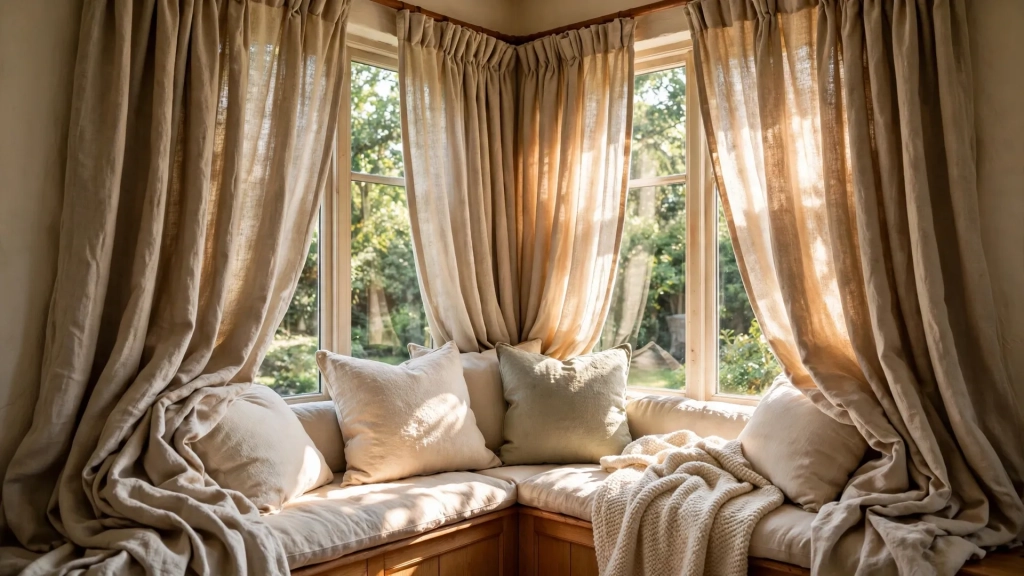
A fourth mistake is forgetting the weight. Wide single panels on a flimsy tension rod sag in the middle within weeks. Match the rod to the fabric. Heavy velvet and blackout curtains need a thick metal rod with a center bracket every 48 inches. Lightweight sheers can get away with thinner hardware, but the fullness math stays the same.
Final Thoughts
Curtain width stops being a mystery once you trust the 2 to 2.5x rule. Measure the rod, multiply, split across panels, and round up. When you catch yourself wondering how wide should curtains be halfway through a home project, come back to this formula and let the numbers decide. Your windows will thank you with folds that look full, soft, and expensive every single time.