

Every year design evolves. New lifestyles shape how people decorate their homes. The most interesting Home Decor Trends in 2026 reflect how people want to live today.
Homes now serve many purposes. They function as workplaces, relaxation spaces, and social hubs. Interior designers respond by creating flexible and comfortable environments.
Design magazines such as Architectural Digest and Elle Decor often highlight how modern interiors combine beauty with practicality. These publications influence global design conversations and introduce emerging ideas from architects and interior stylists. Many of those concepts also inspire budget-friendly decor ideas for small spaces that bring style into everyday homes.
One clear shift appears across modern interiors. People want warmth again. Minimalism still influences modern spaces, yet designers now soften it with natural textures, warm lighting, and organic materials.
Homeowners also value sustainability. Eco friendly furniture, recycled materials, and long lasting craftsmanship play a larger role in modern interiors.
These changes explain why design feels calmer and more thoughtful today. Homes should support daily life, not overwhelm it.
Natural Materials Leading Home Decor Trends


4
Natural materials stand at the center of current Home Decor Trends. Designers increasingly prefer surfaces and textures that feel authentic.
Wood remains one of the most influential elements. Oak tables, walnut cabinets, and reclaimed wooden furniture introduce warmth and durability. Many designers combine wooden textures with linen upholstery and woven textiles to create depth.
Stone also appears frequently in modern interiors. Marble countertops, travertine coffee tables, and limestone fireplaces bring subtle luxury into the room.
These materials connect interiors to nature. Scandinavian design traditions helped popularize this approach. Nordic homes often use wood, wool, and natural light to create calm living environments.
Sustainability plays a role as well. Designers encourage responsible sourcing, recycled materials, and long lasting craftsmanship.
Homes built around natural elements feel timeless. They age gracefully and rarely fall out of style.
Color Palettes Influencing Home Decor Trends


4
Color choices reveal some of the most noticeable Home Decor Trends today.
Interior designers now move away from cold gray palettes. Warmer tones replace them. Beige, clay, terracotta, olive green, and sand create a grounded atmosphere.
These colors mirror landscapes found in nature. Earth inspired palettes appear in Mediterranean homes, desert architecture, and modern Scandinavian interiors.
Design studios often combine warm neutrals with textured materials. A beige sofa paired with a terracotta ceramic vase or wooden coffee table creates harmony across the room.
Paint companies such as Benjamin Moore and Sherwin Williams influence color direction every year through their annual color reports. Designers often study these palettes when planning interior projects.
Warm colors make spaces feel welcoming. They soften modern architecture and help rooms feel balanced.
Smart Technology Shaping Home Decor Trends


4
Technology quietly transforms many Home Decor Trends. Modern homes integrate smart systems without disrupting visual design.
Smart lighting offers one example. Adjustable LED systems allow homeowners to change brightness and color temperature throughout the day. Warm lighting supports relaxation during the evening.
Hidden technology also appears in contemporary interiors. Televisions blend into walls. Speakers disappear into ceilings. Charging stations hide inside furniture.
Companies such as Google Nest and Apple HomeKit develop ecosystems that integrate climate control, lighting, and security into a single system.
Interior designers focus on seamless integration. Technology should support comfort without dominating the room visually.
When used carefully, smart design enhances everyday living.
Comfort Driven Home Decor Trends for Everyday Living


4
Comfort now drives many Home Decor Trends across modern interiors.
During the past decade, some homes prioritized visual perfection over comfort. Designers now move in a different direction. Softer furniture, layered textiles, and relaxed layouts define the modern living room.
Deep sofas invite people to sit longer. Soft rugs add warmth underfoot. Cushions and throws introduce texture while increasing comfort.
Interior designers often study hospitality spaces when designing living rooms. Hotels and lounges create environments that feel welcoming and calm.
The goal remains simple. A beautiful room should also support rest, conversation, and daily life.
Comfort transforms a house into a home.
Personal Expression in Home Decor Trends

4
Individual style shapes the most meaningful Home Decor Trends today.
Homeowners increasingly reject identical interiors. Instead, they seek spaces that reflect their personality, travels, and interests.
Artwork often becomes the focal point of a room. Paintings, photography, and sculpture introduce emotional depth.
Bookshelves also reveal personal stories. Collections of literature, travel books, and design magazines add character.
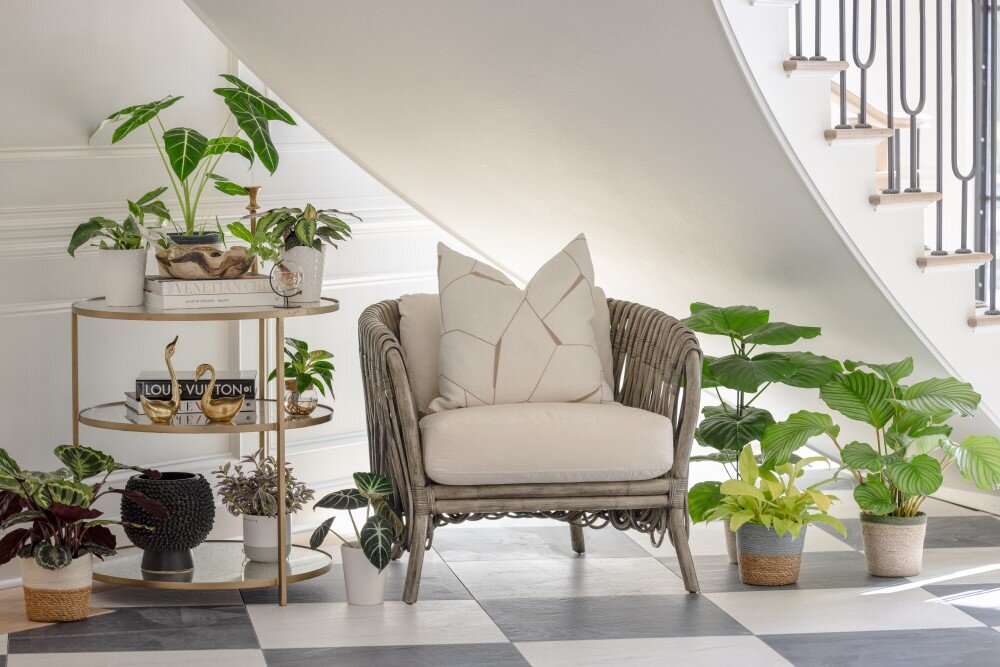
Indoor plants remain popular as well. Species such as fiddle leaf figs, snake plants, and olive trees bring life into modern interiors.
Design experts from institutions like the Rhode Island School of Design emphasize storytelling through interior environments. Objects should reflect identity rather than trends alone.
When personal meaning enters a space, design feels authentic.
The Future Direction of Home Decor Trends


4
Looking ahead, Home Decor Trends will continue to evolve alongside architecture, sustainability, and technology.
Environmental responsibility already influences furniture manufacturing and material sourcing. Designers increasingly choose bamboo, recycled wood, and organic fabrics.
Flexible living spaces also gain attention. Movable furniture and modular layouts allow rooms to adapt to changing needs.
Architectural design plays a role as well. Larger windows bring natural light deeper into the home. Indoor plants and garden views connect interiors to nature.
Despite these innovations, one principle remains consistent. Good design balances beauty with functionality.
Homes should support everyday living while offering visual inspiration.
That balance defines the future of modern interiors.