Smart Budget Style. Home Decor for Small Spaces in 2026

Cities continue to grow. Apartments continue to shrink. Many people now live in studio flats, micro apartments, and compact homes. That shift makes Home Decor for Small Spaces more important than ever.
A small room can feel either stressful or peaceful. Good design changes everything. When the layout works, the room feels open, organized, and welcoming.
Interior designers often study compact homes in cities like Tokyo, Copenhagen, and New York, where small-space living drives innovation. Designers there focus on space-saving furniture, neutral palettes, and multifunctional layouts. The same principles influence smart closet storage solutions designed to maximize space without sacrificing style
A well designed room creates flow. Natural light spreads easily. Furniture fits the room instead of fighting against it.
Small homes also encourage creativity. A single wall shelf can replace a bulky cabinet. A mirror can visually double the size of the room. Even a simple rug can define a living area inside a studio apartment.
In 2026, thoughtful design matters more than square footage.
Smart Layout Planning for Home Decor for Small Spaces


4
Good layout forms the backbone of Home Decor for Small Spaces. Without careful planning, a small room quickly feels crowded.
Interior planners begin with circulation. People must move easily through the room. Walkways should stay open and clear.
Next comes zoning. Even a tiny apartment benefits from defined areas. A rug may mark the living zone. A small desk may define a work corner.
Many designers recommend floating furniture instead of pushing everything against the walls. This technique creates breathing room and improves visual balance.
Multi purpose furniture also transforms small layouts. A storage ottoman can hide blankets and magazines. A sofa bed can convert a living room into a guest room.
Companies like IKEA built their reputation on compact living solutions. Their designs focus on modular furniture, stackable storage, and adaptable layouts.
The goal remains simple. Every square meter must serve a clear purpose.
Budget Friendly Furniture for Home Decor for Small Spaces


4
Furniture often costs the most in any room makeover. Yet stylish Home Decor for Small Spaces does not require expensive pieces.
Smart shoppers look for compact furniture with multiple functions. Nesting tables provide flexibility. Foldable chairs create extra seating when guests arrive.
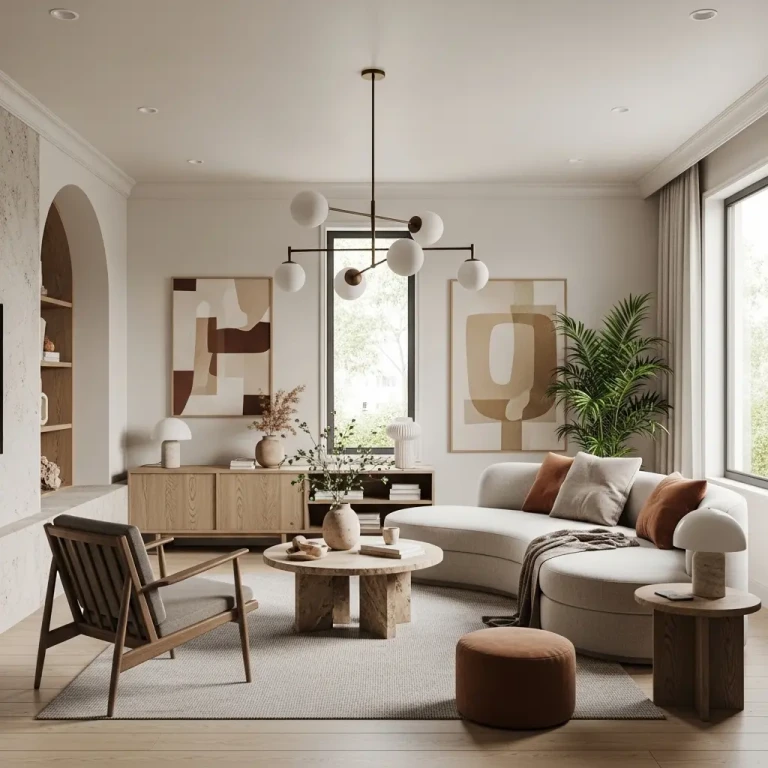
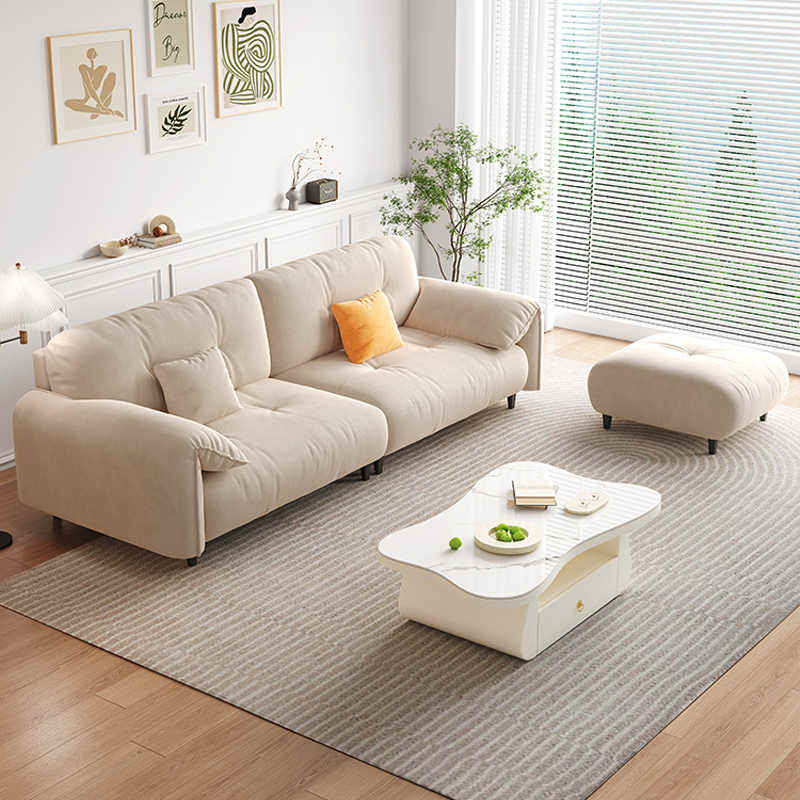
Low profile sofas also work well in small living rooms. They keep the room visually open while still offering comfort.
Second hand markets provide another option. Vintage wooden furniture often costs less and lasts longer than mass produced items. Many interior stylists search flea markets or resale platforms for unique pieces.
Minimal furniture also saves money. Instead of buying many items, designers often select two or three strong pieces that anchor the room.
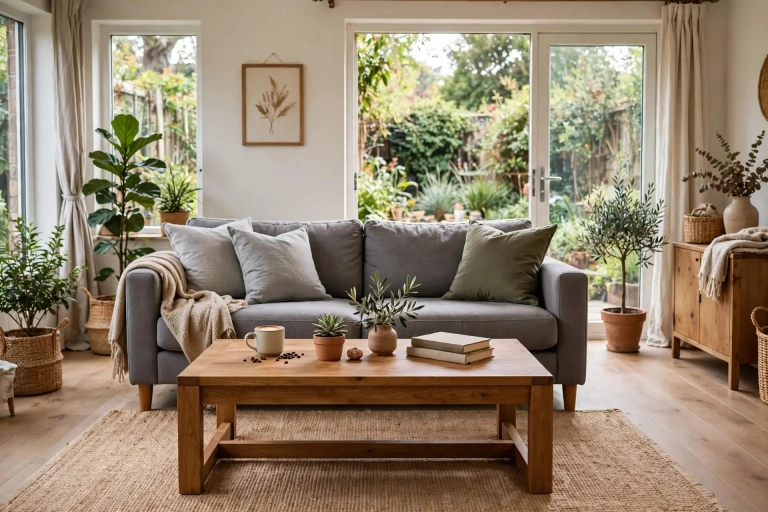
A neutral sofa, a simple coffee table, and a floor lamp may create a complete living area.
Quality matters more than quantity.
Storage Ideas That Transform Home Decor for Small Spaces

4
Storage determines whether Home Decor for Small Spaces feels calm or chaotic.
Clutter grows quickly in small homes. Without storage solutions, everyday objects take over the room.
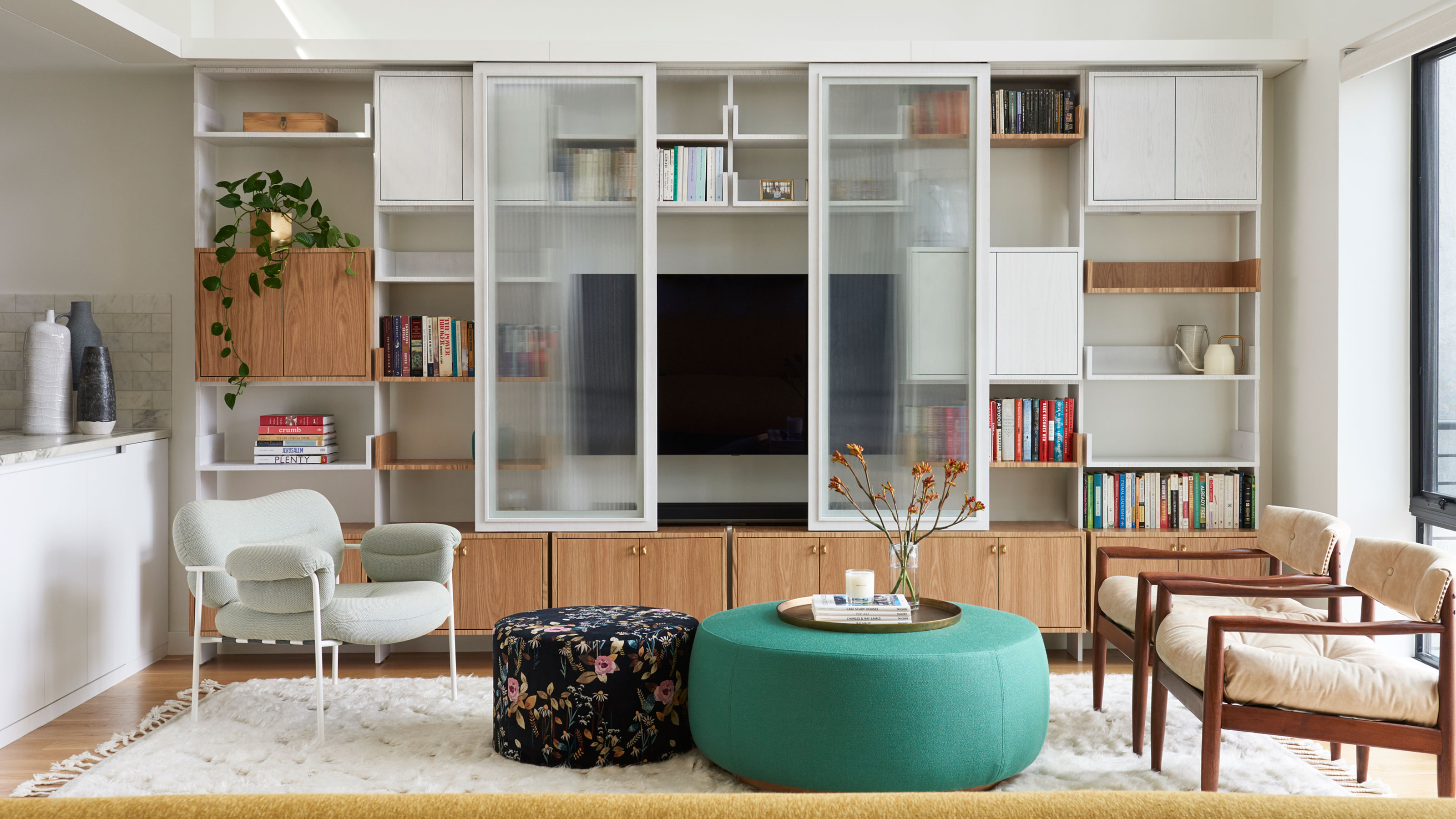
Vertical storage offers the easiest fix. Wall shelves use height instead of floor space. Books, plants, and decorative objects can live there without crowding the room.
Designers also recommend hidden storage. Beds with drawers, storage benches, and lift top coffee tables keep items out of sight.
Built in cabinetry provides another powerful solution. Many modern apartments include custom shelving that blends into the wall.
Professional organizers often stress the value of minimal ownership. When fewer items exist, storage becomes simpler.
A clean environment improves both mental clarity and visual comfort.
Color and Lighting Tricks for Home Decor for Small Spaces


4
Color influences how people perceive space. In Home Decor for Small Spaces, lighter tones create openness.
Soft neutrals such as white, beige, sand, and pale gray reflect natural light. These shades help walls appear farther apart.
Mirrors strengthen this effect. Interior designers often place mirrors opposite windows. The reflection spreads daylight across the room and creates the illusion of depth.
Lighting also shapes the atmosphere. Layered lighting works best in small homes.
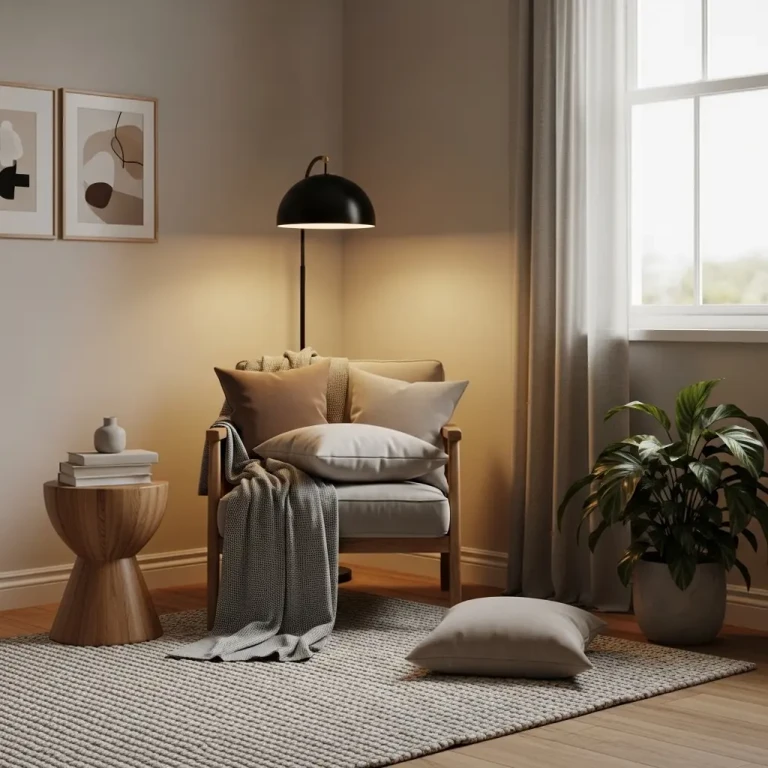
A ceiling light provides general illumination. A floor lamp adds warmth. A small table lamp creates a cozy corner.
Design schools like the Rhode Island School of Design often highlight lighting as one of the most powerful interior tools. Good lighting can transform even the smallest apartment.
When color and light work together, a compact room begins to feel spacious.
Personal Style in Home Decor for Small Spaces


4
Function matters, but personality also shapes great Home Decor for Small Spaces.
A room should reflect the people who live there. Personal touches make even the smallest apartment feel like home.
Artwork often provides the easiest form of expression. A large framed print can become a focal point without taking floor space.
Indoor plants also bring life into compact rooms. Popular choices include snake plants, pothos, and rubber plants. These species thrive indoors and require little maintenance.
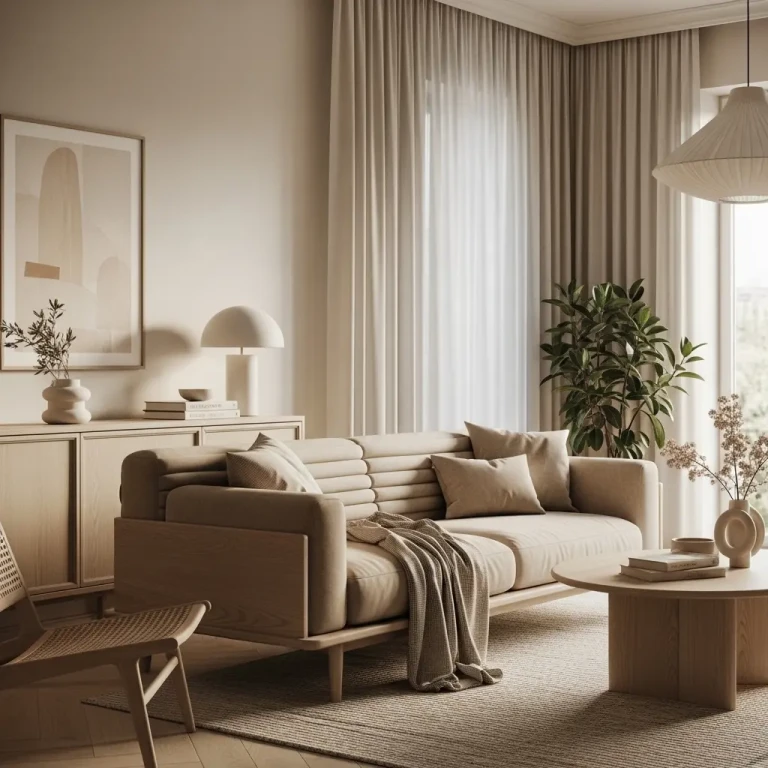
Textiles add warmth and texture. A woven rug, linen cushions, or a soft throw blanket create comfort without visual clutter.
Interior stylists often recommend restraint. Too many decorative objects make a small space feel crowded.
A few meaningful pieces tell a stronger story than many random items.
The Future of Home Decor for Small Spaces


4
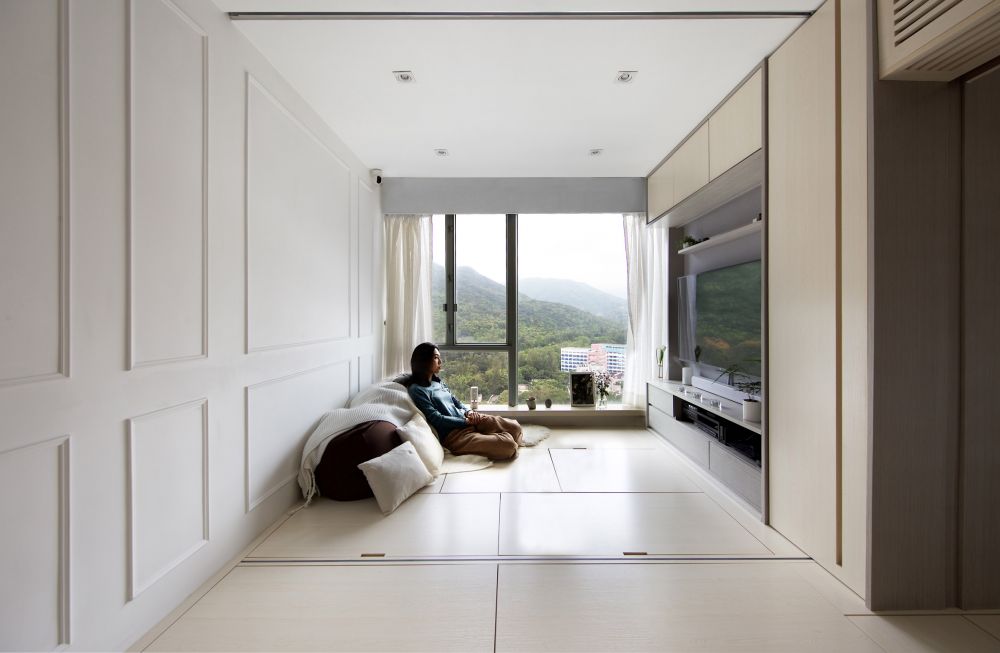
Urban living will continue to shape Home Decor for Small Spaces in the coming years.
Architects already experiment with modular furniture, robotic storage systems, and movable walls. These innovations allow a single room to serve multiple functions throughout the day.
Sustainability also influences design decisions. Many furniture brands now produce eco friendly materials such as recycled wood, bamboo, and organic fabrics.
Interior design increasingly values flexibility. Rooms must adapt to work, relaxation, and social gatherings.
Small homes may remain compact, yet smart design ensures they never feel limited.
The future of interior living does not depend on size. It depends on creativity, intention, and thoughtful design choices.