

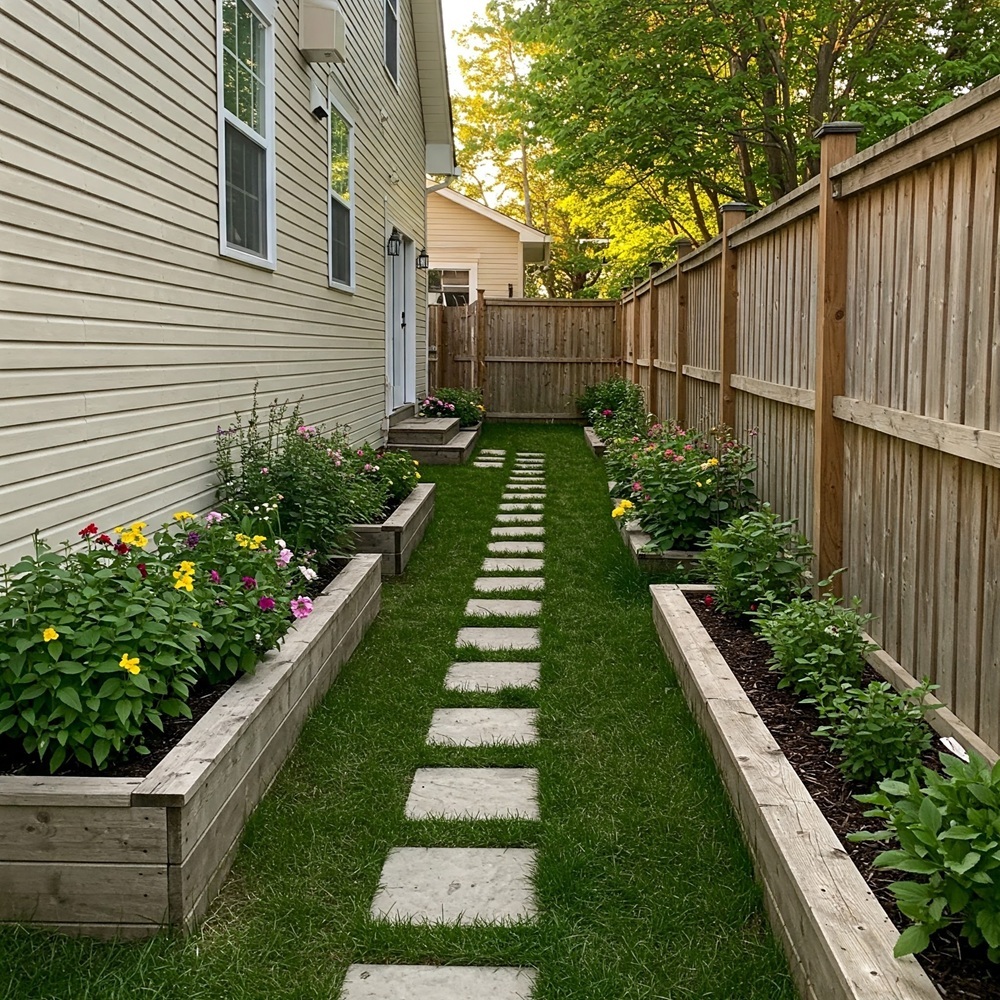
Side yards used to feel like forgotten spaces. They held trash bins, utilities, and odd leftovers from the main yard. In 2026, that changes. Homeowners want their outdoor spaces to work harder, look better, and offer more value in daily life. Modern Yard Landscaping Ideas do that by turning narrow, overlooked areas into useful extensions of the home.
The mirror design concepts for 2026 explore how reflective surfaces can actively shape the experience of a room. Instead of functioning as simple décor, they are being used to redirect light, open up narrow passages, and create visual depth in tight or overlooked areas. This mindset mirrors the way landscape designers rethink circulation outdoors—using every inch with purpose and transforming underused zones into functional extensions of daily living. In both cases, space is treated as valuable, and design decisions help it work harder rather than sit idle.
Why Yard Landscaping Ideas Matter More in 2026
The way people use their homes changed over the past few years. Remote work and hybrid living pushed homeowners outside during breaks and evenings. Outdoor design brands and shelter publications such as Architectural Digest note that outdoor spaces increase home enjoyment and long-term property value. Buyers look for finished outdoor areas the same way they look for modern kitchens and bathrooms.
This explains the new attention on side yards, especially in suburban neighborhoods and narrow-lot homes. They offer privacy without needing large square footage. They also become natural connectors between the front and back of the house.
Paths and Circulation Shape Everything
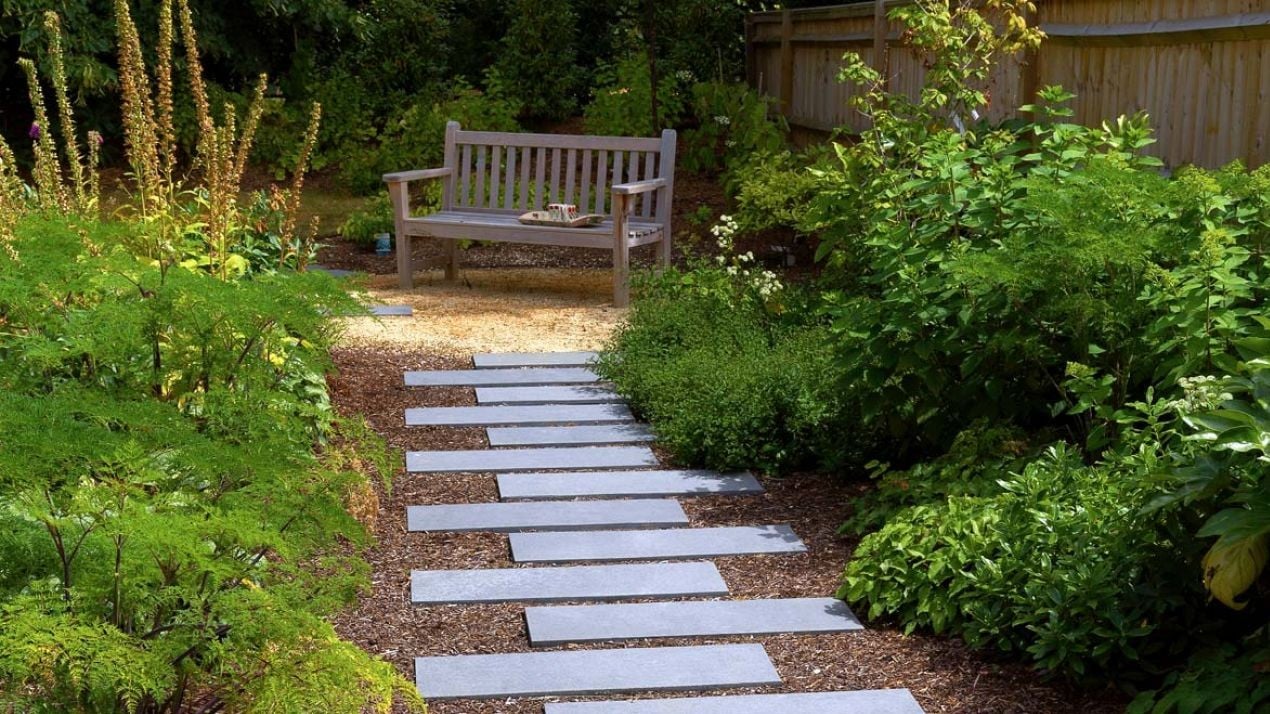
Movement guides outdoor design. In side yards, pathways set the rhythm. Designers choose materials like poured concrete, crushed stone, pavers, or decomposed granite. These surfaces drain well, require low upkeep, and support modern outdoor aesthetics.
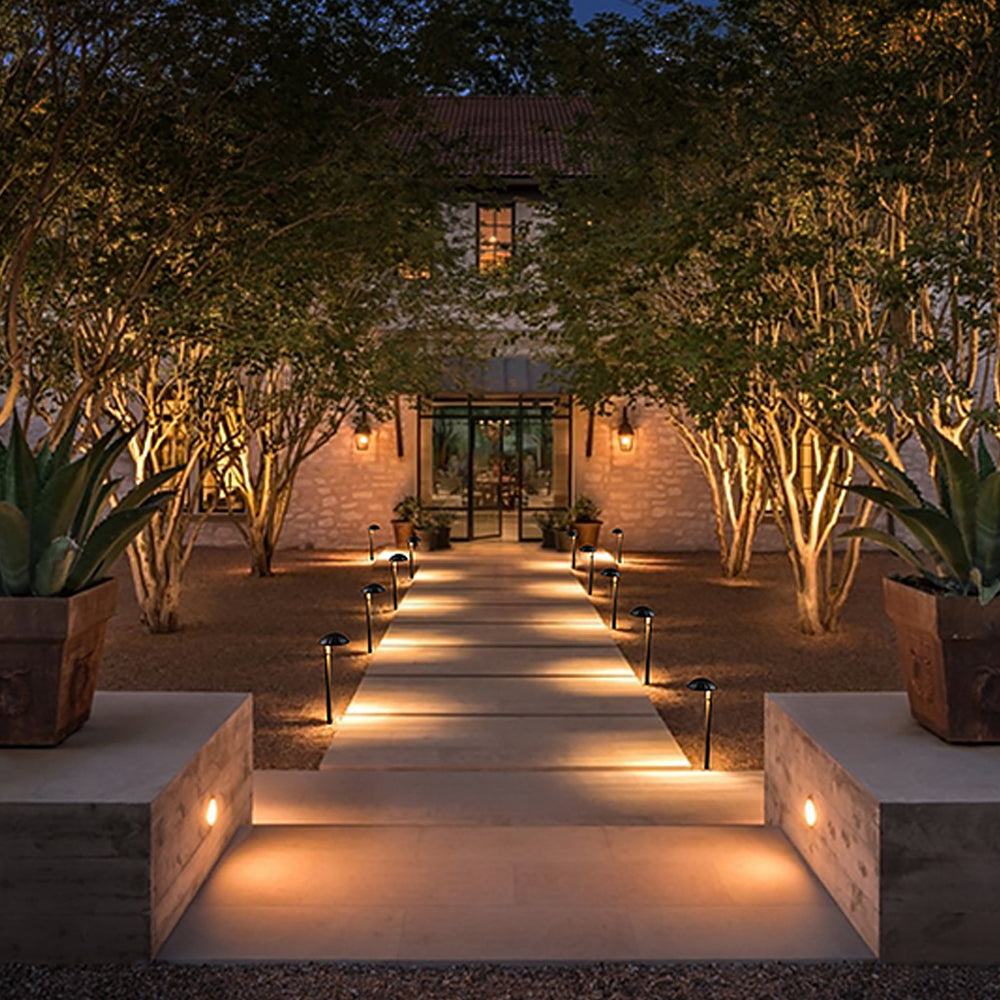
Plantings line the edges of paths rather than fill the center. Ornamental grasses, rosemary, lavender, and dwarf shrubs create structure without closing in the walkway. Lighting runs along the path to ensure safe night movement. These lighting concepts follow guidance seen in hospitality and outdoor retail design.
Circulation gives purpose to the space, which sets the foundation for all Yard Landscaping Ideas that follow.

Vertical Design Maximizes Narrow Space
When square footage runs tight, designers go vertical. Fences and blank walls support planters, trellises, espalier trees, or vertical herb gardens. Homeowners grow strawberries, tomatoes, and herbs along sunny exposures. Shade-tolerant ferns and climbing vines suit darker corridors.
This approach fits the urban gardening movement influenced by European courtyard apartments. It also appeals to homeowners who want greenery without sacrificing floor space. Vertical gardens improve air quality, soften hard surfaces, and add personality.
Brands in the garden sector and urban agriculture organizations support vertical growing as a long-term strategy for small spaces. The trend integrates naturally into modern Yard Landscaping Ideas for narrow lots
Seating Zones Add Function Without Bulk
A side yard gains purpose when people use it. Small seating zones transform narrow spaces into reading corners, morning coffee spots, or quiet relaxation areas. Designers choose slim benches, built-in seating, or bistro sets that hug the walls to keep pathways clear.
Materials matter. Teak, powder-coated steel, and stone hold up outdoors and complement modern architectural textures. Upholstery uses performance fabrics that resist fading and moisture.
This blend of comfort and practicality fits 2026 outdoor living priorities. People want spaces they can actually enjoy, not just admire from inside.
Planting Strategies That Feel Modern
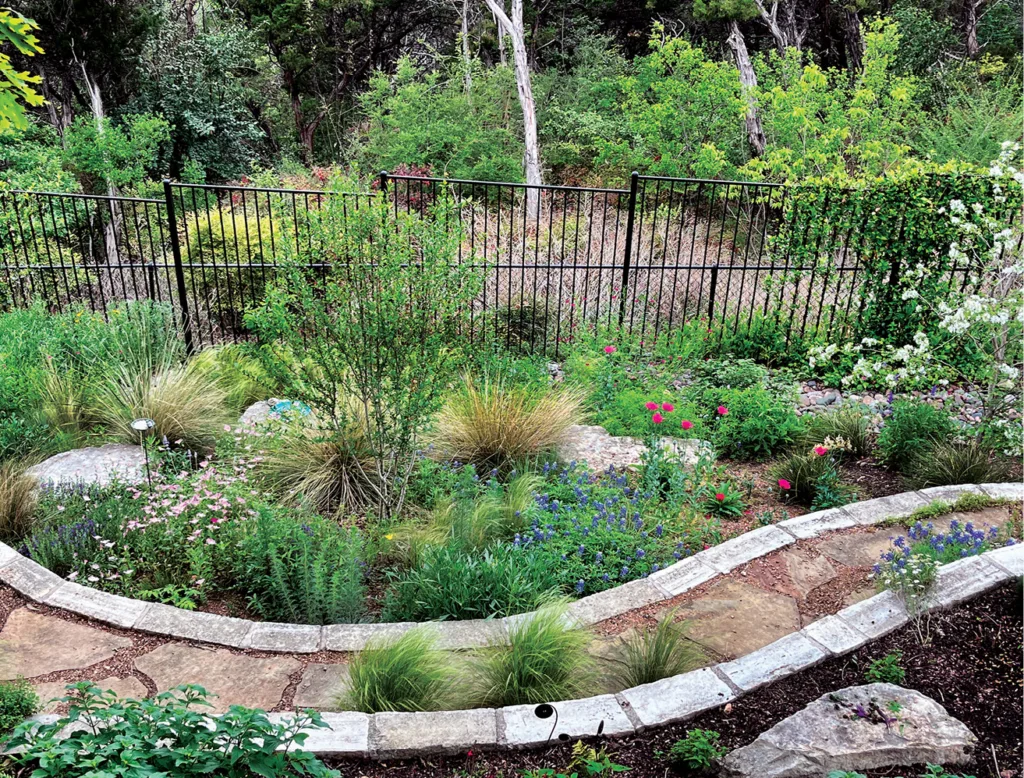
Plant choices shape the emotional tone of the space. In 2026, landscaping favors low-maintenance plants that handle heat, reduced watering, and seasonal variance. Native plants gain popularity across states because they support pollinators and require less intervention.
Mediterranean plants such as rosemary, olive shrubs, and lavender thrive in sun-exposed side yards. Shade spaces benefit from hostas, ferns, hydrangeas, and Japanese forest grass. Together, they offer texture, fragrance, and seasonal interest.
Botanical gardens and horticultural experts encourage biodiversity and layered planting for healthier outdoor ecosystems. These ideas align with newer Yard Landscaping Ideas focused on long-term resilience.

Lighting Extends Outdoor Use
Lighting improves safety, but in 2026, it also enhances atmosphere. Low-voltage path lighting, recessed step lights, and directional uplighting create depth at night. Designers avoid harsh flood lights that flatten the space and ruin the mood.
Warm light temperature works best outdoors. It highlights foliage, architectural lines, and textured surfaces without glare. Lighting manufacturers that supply hotels and resorts influence residential outdoor lighting trends because consumers want similar experiences at home.
Hardscape and Softscape Balance
Modern outdoor design balances built surfaces with natural planting. Too much concrete feels sterile, while too much planting looks unmanaged. The best side yards strike harmony between pavers, gravel, timber, and greenery.
Fences become design elements rather than barriers. Slatted cedar, powder-coated metal screens, and rendered walls define boundaries with style. These materials frame the yard, guide sight lines, and support climbing plants.
This balance gives Yard Landscaping Ideas both structure and softness, which keeps the space livable.
Outdoor Storage Without Clutter
Outdoor storage keeps side yards functional. Designers hide bins, tools, and hoses behind screens, low enclosures, or custom cabinetry. The result feels tidy instead of industrial.
Storage solutions borrow ideas from Scandinavian outdoor design, where small spaces must serve multiple uses. Modular shelving, bench storage, and slim cabinets make maintenance easier without forcing homeowners to sacrifice aesthetics.
Sustainability Becomes the Standard
Sustainability is no longer a niche concept in landscaping. Homeowners want durable materials, reduced water use, and environmentally friendly plant choices. Native plants cut irrigation needs. Permeable surfaces reduce runoff. Mulch protects soil health. Rainwater harvesting systems reduce utility costs.
Environmental organizations and university extension programs offer data showing that sustainable yards support biodiversity and reduce long-term upkeep. These findings influence future Yard Landscaping Ideas across residential neighborhood
Final Thoughts on Side Yard Design in 2026
Side yards become valuable outdoor rooms instead of leftover gaps between fences and walls. Designers think about how people move, how plants thrive, and how homes feel from inside and out. They merge function with beauty in small footprints.
Homeowners want these spaces to support everyday routines with minimal maintenance. That desire drives the evolution of modern Yard Landscaping Ideas well beyond 2026.