The Standard Centerpiece Size for Dining Table Made Simple

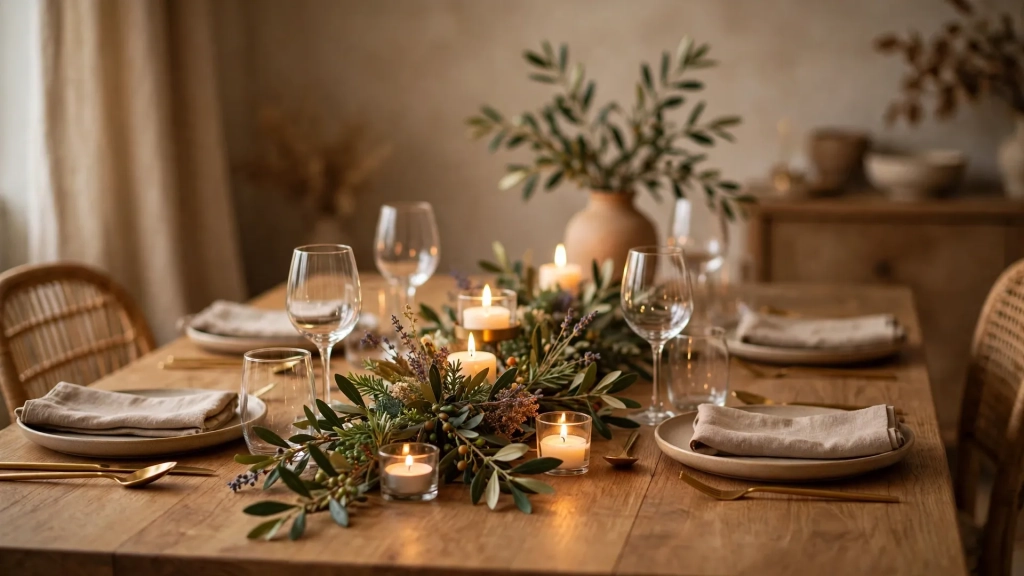
Sara had planned her dinner party for weeks. She picked a beautiful menu, she polished the silverware, and she bought a tall vase filled with fresh flowers for the middle of the table. When her guests sat down, something felt wrong. Nobody could see the person sitting across from them. Every time someone laughed at a story, they had to lean sideways around the flowers. By dessert, Sara quietly moved the vase to a side table, and suddenly the whole room felt warmer. The food tasted the same, but the evening felt better, because people could finally look at each other.
That small moment teaches a big lesson about table decor. A centerpiece should make a table look special, not block the people sitting at it. When you know the standard centerpiece size for dining table setups, you can decorate with confidence and avoid the mistake Sara made. You only need a few simple rules about height, width, and shape, and your table will look beautiful for every meal, from a quiet weeknight dinner to a big holiday feast.

What the Standard Centerpiece Size for Dining Table Really Means
A standard size is not one strict number that fits every home. It is a friendly range that works for most dining tables, most rooms, and most gatherings. Designers and home stylists use this range because it keeps a table balanced. A centerpiece that is too small can look lost on a big table, like a single candle in the middle of a long banquet table. A centerpiece that is too large can crowd the plates, block the view, and make serving food hard. The standard range sits right in the middle, where the decor adds beauty without getting in the way.

Think of your dining table as a stage. The plates, glasses, and food are the main actors, and the centerpiece is the backdrop. A good backdrop adds color and charm, but it never steals the show.
Why Height Comes First in Centerpiece Design
Height matters more than any other measurement, because it decides whether guests can see each other. A low centerpiece keeps sight lines open, so conversation flows easily across the table. A tall centerpiece creates a wall in the middle of the meal, even when it looks stunning in a photo. That is why experienced hosts always check height before they worry about flowers, colors, or containers.
The Standard Centerpiece Size for Dining Table Height Rule
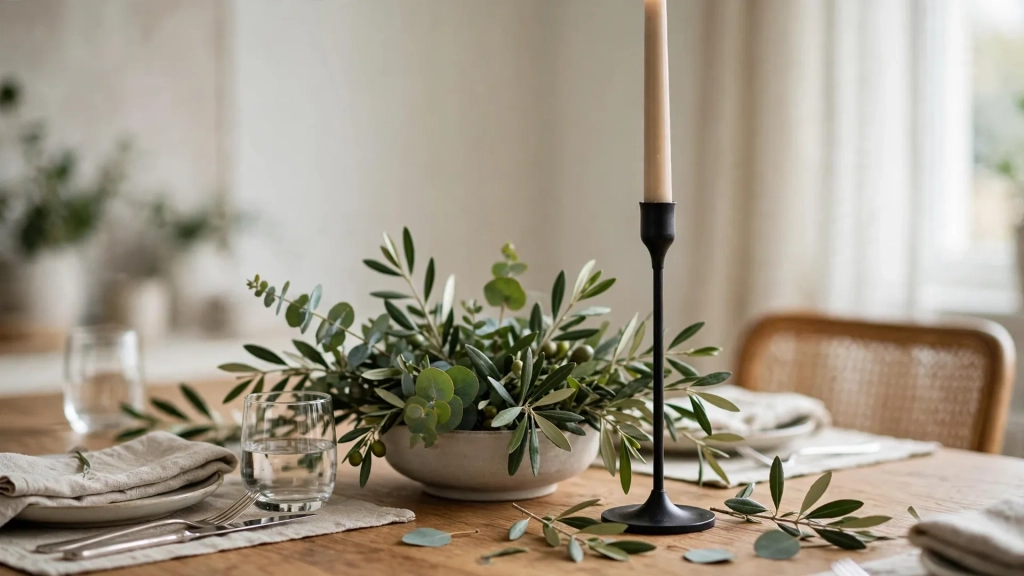
The golden rule is simple. A centerpiece should stay under 12 inches tall so guests can see across the table. This height works well because most people sit with their eyes about 14 to 16 inches above the table surface, and a piece under 12 inches stays safely below that line. Designers trust the standard centerpiece size for dining table gatherings because it keeps faces visible and food within easy reach. For the main centerpiece, low and wide almost always beats tall and narrow.
How Height, Width, and Length Work Together
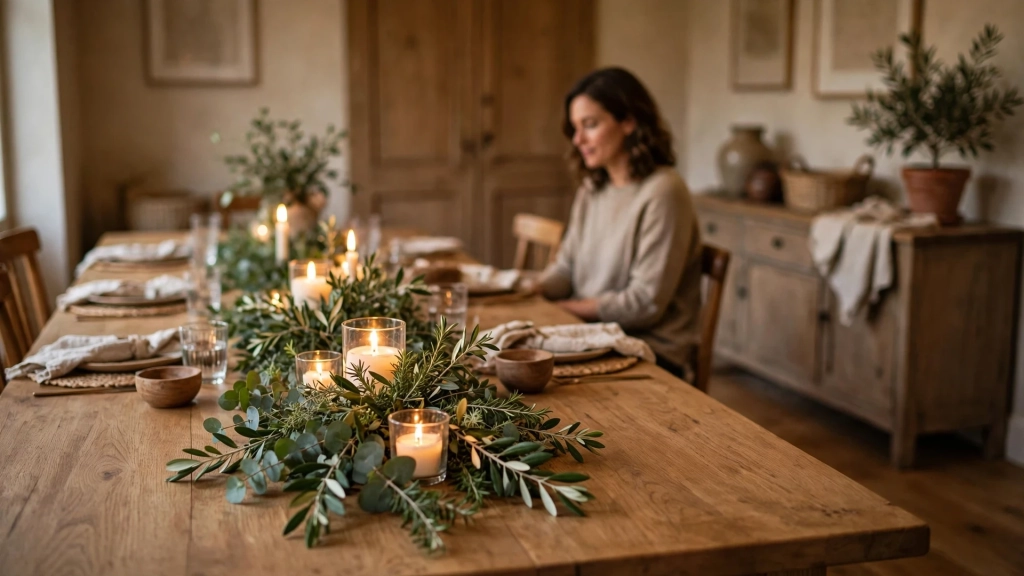
Once you fix the height, width and length decide how much of the table your centerpiece should cover. A good rule says the centerpiece should take up about one third of the table length. On a six foot long table, that means a centerpiece around two feet long. On a smaller four foot table, a piece around 16 inches long feels right. This leaves plenty of room for plates, serving dishes, glasses, and elbows, which all need space too.
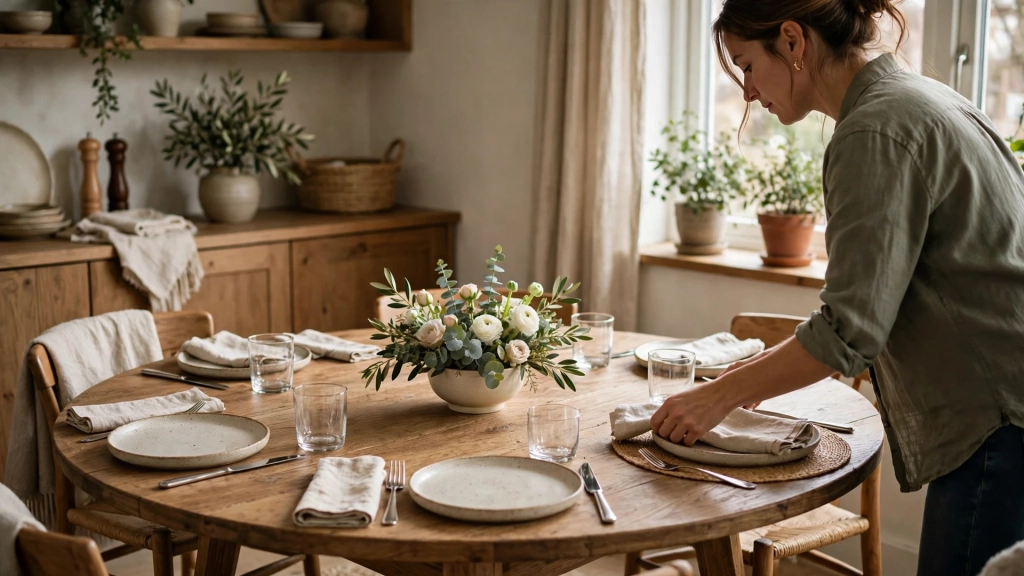
Width follows the same idea. Leave at least 12 inches of clear space on each side of the centerpiece for place settings, so plates never crowd toward the edge. This one third guide is the heart of the standard centerpiece size for dining table planning, and it works on nearly every table shape.
Centerpiece Size for Round Tables
Round tables need a different approach, because there is no long middle line to follow. For a round table, choose a centerpiece that covers about one third of the table diameter. A 48 inch round table pairs well with a centerpiece about 16 inches across. A 60 inch round table can handle a piece around 20 inches across. One central arrangement usually looks best, and a round tray underneath can pull the whole look together.
Centerpiece Size for Rectangular and Oval Tables
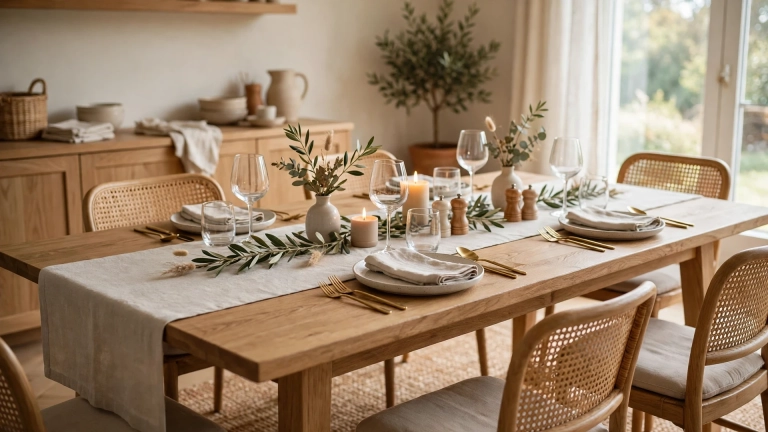
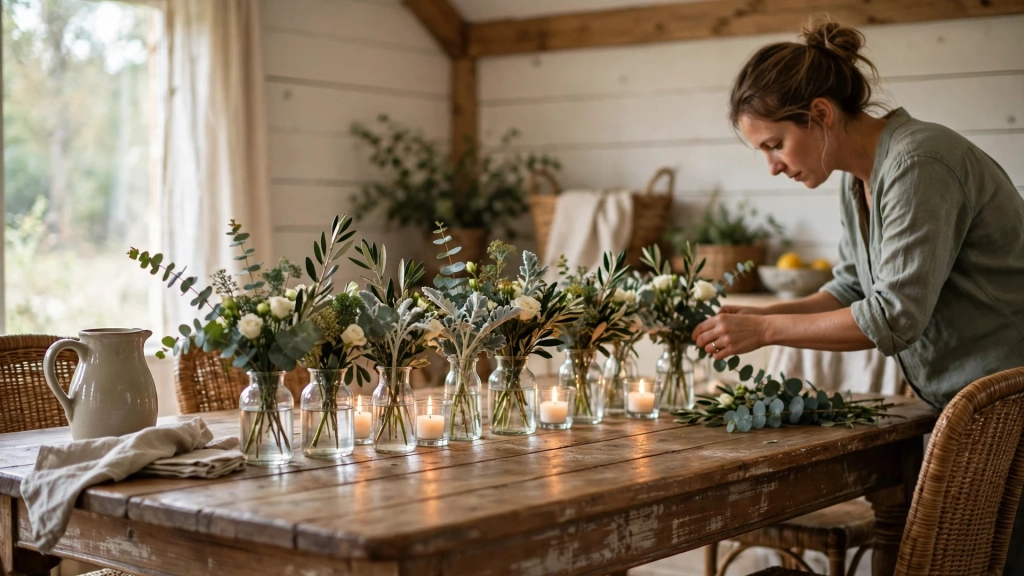
Long tables give you more room to play. A single long runner of greenery, a row of small vases, or three matching candle holders can all work, as long as the total length stays near one third of the table. Many hosts love using three small arrangements instead of one big one, because it feels lighter and lets guests see between the pieces. Oval tables follow the same rule as rectangular tables, but soft, curved containers like bowls and oval trays suit their shape better than sharp square boxes.

Choosing the Right Container and Style
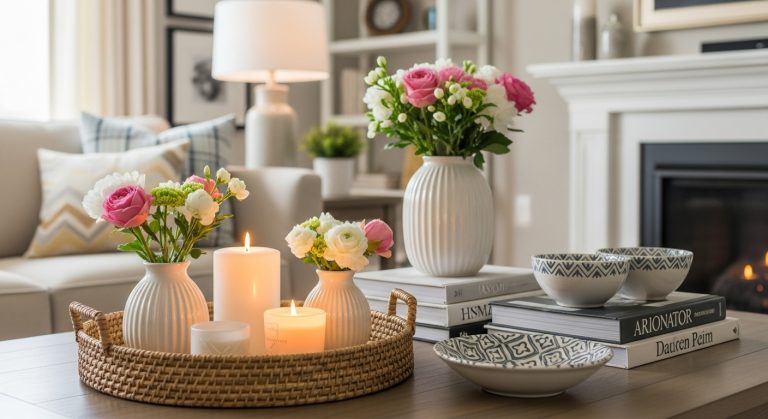
The container shapes the whole look, and it also affects the size you need. A wide, low bowl filled with flowers sits naturally under the height limit, and it gives you room to spread blooms outward instead of upward. A wooden dough bowl, a ceramic compote, or a shallow brass tray can all hold a full, lush arrangement without growing tall. If you love vases, pick short, wide ones, and trim your stems low so the flowers stay close to the rim.
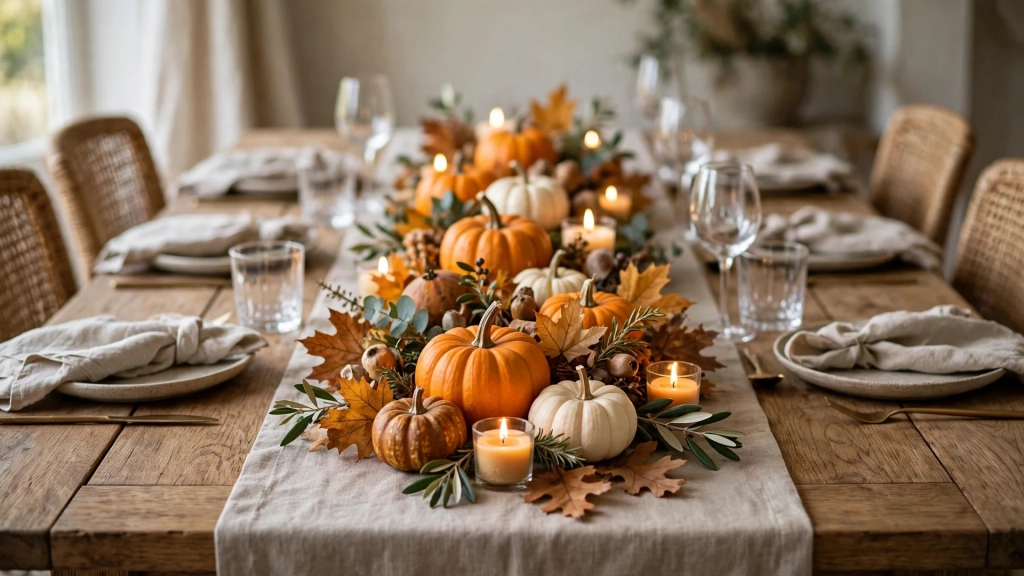
Candles add warmth, and they follow the same height thinking. Short pillar candles, tea lights in glass holders, and low taper holders in a row all keep the glow at table level, which feels cozy and intimate. Tall taper candles can still join the table, but keep them slim and space them apart, so they read as a light accent rather than a fence.
Centerpiece Ideas for Every Season and Occasion
Spring calls for fresh, light arrangements. Try a low bowl of tulips, daffodils, or ranunculus with a few sprigs of green leaves. No matter the season, the standard centerpiece size for dining table decor stays the same, even while colors and flowers change. Summer suits a bowl of lemons and limes with green leaves, or a collection of small potted herbs like basil and mint that guests can smell and even snip for their drinks.
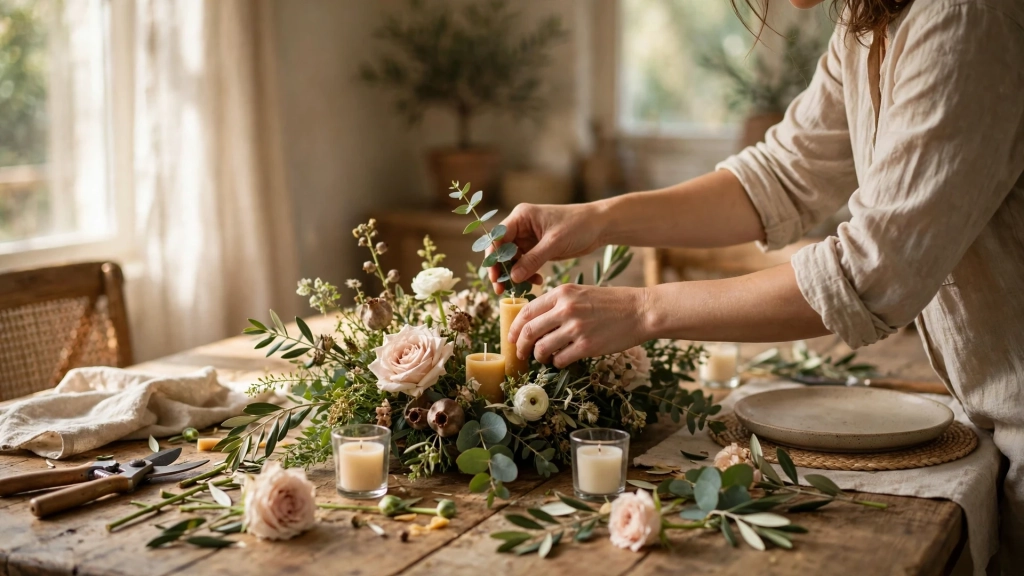
Fall brings warm color and texture. A wooden tray with small pumpkins, pinecones, dried orange slices, and a few candles creates a cozy harvest feeling without rising too high. Winter works beautifully with evergreen branches laid flat along a runner, plus pinecones and red berries.
Mistakes That Make a Centerpiece Feel Wrong
The most common mistake is choosing height over hospitality, and it happens to the best hosts. A dramatic tall arrangement looks amazing in a store display, but a dining table is not a store display. People need to talk, pass food, and enjoy each other, and a tall piece stops all three. Another common mistake is making the centerpiece too wide, so plates crowd together and glasses feel at risk. Always set the table fully first, with plates and glasses in place, and then add the centerpiece to the space that is left. This one habit prevents most problems.
Scent is another hidden mistake. Strong flowers like lilies can overpower food smells and bother sensitive guests. Choose lightly scented blooms, or unscented greenery and candles, for dinner parties. Hosts who learn the standard centerpiece size for dining table layouts avoid most of these problems before guests arrive. Test your centerpiece by sitting down at the table yourself, in a normal chair, and looking across. If you can see an imaginary guest clearly, and you can reach the salt without moving anything, your centerpiece passes the test.
A Simple Way to Shop and Build Your Own
You do not need to buy an expensive arrangement to get the size right. Start with a container you already own, such as a low bowl, a tray, or a bread basket. Measure it, and check that it fits the one third rule for your table. Then add a base of greenery, like eucalyptus, olive branches, or simple fern fronds, keeping everything low and wide. Add flowers or seasonal items in groups of three, step back, and check the height from a seated position. Finally, add candles or small accents, and step back to check the height from a seated position.
When you shop, bring your table measurements with you, or save them in your phone. Knowing your table length, width, and shape turns a confusing store visit into a quick, confident choice. Knowing the standard centerpiece size for dining table shopping saves you from buying a piece that looks lovely in the store but fails at home.
Bringing It All Together for Your Next Meal
A beautiful table does not come from one perfect purchase. It comes from a few thoughtful choices that put people first. Keep your centerpiece under 12 inches tall, keep it near one third of your table length, leave room for plates and glasses, and choose colors and textures that match the season and the mood.
The next time you set the table, try the seated test before your guests arrive. Sit down, look across, and smile at the empty chair opposite you. If the view is clear and the table feels balanced, you have done it right. Your guests may never know the measurements behind the magic. They will simply feel comfortable, relaxed, and welcome, and that warm feeling is the real purpose of every centerpiece.