

Bedrooms in 2026 feel calmer, lighter, and more intentional. Homeowners no longer chase bold trends that fade quickly. Instead, they choose colors and materials that create balance. A soft neutrals bedroom design blends sage green, warm beige, muted gray, and creamy white to form a peaceful retreat.
This color direction reflects a broader shift toward wellness and comfort. People want spaces that slow them down after long digital days. Designers respond with layered textures, natural light, and subtle color depth that supports rest This same focus on intentional design also influences functional areas of the home explore how smart compact spaces shaping kitchen design trends in 2026 are redefining efficiency and everyday comfort.
Why a Soft Neutrals Bedroom Defines Modern Comfort


In 2026, the soft neutrals bedroom stands at the center of interior design conversations. Sage walls paired with linen bedding create a sense of quiet warmth. Natural wood furniture prevents the space from feeling flat.
Design experts from the American Society of Interior Designers emphasize that restful colors improve sleep quality. Light neutrals reflect daylight and reduce visual strain. This balance of tone and texture creates an atmosphere that feels calm without appearing dull.
Emotional Warmth in a Soft Neutrals Bedroom


Emotional comfort defines a successful soft neutrals bedroom. Soft throws, woven rugs, and cotton bedding add tactile warmth. Designers avoid sharp contrasts and heavy patterns.
Layered lighting enhances relaxation. Bedside lamps with warm bulbs replace bright overhead fixtures. The glow feels gentle, which supports winding down at night.
Sage Green as the Heart of the Soft Neutrals Bedroom


Sage green anchors the soft neutrals bedroom palette in 2026. It introduces color without overwhelming the room. Paired with beige or cream, sage feels grounded and organic.
Interior color research often links muted green tones with calm and focus. This makes sage ideal for sleep environments. Whether applied to an accent wall or subtle decor, it brings freshness to neutral spaces.
Texture and Materials in a Soft Neutrals Bedroom

Texture deepens the look of a soft neutrals bedroom. Linen curtains soften window light. Oak nightstands add warmth. Stone or ceramic lamps introduce natural variation.
Matte finishes replace gloss. Woven baskets and layered textiles create visual interest without clutter. Designers aim for harmony between materials and tone.
Lighting Strategies for a Soft Neutrals Bedroom
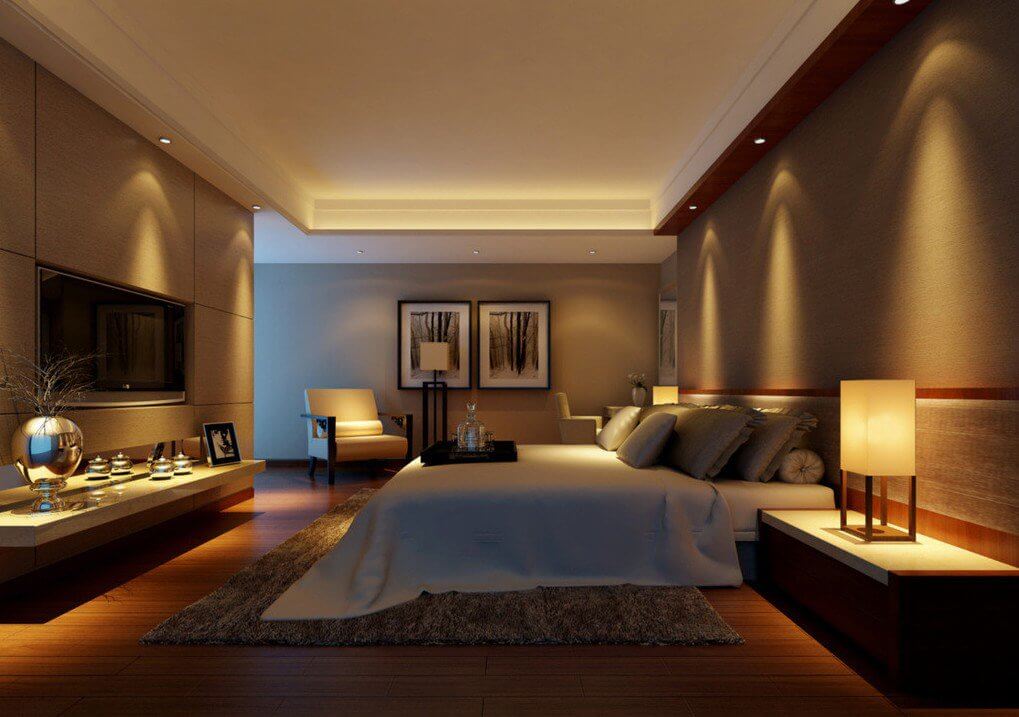

Lighting transforms a soft neutrals bedroom from simple to inviting. Warm ambient light enhances beige and sage tones. Pendant lights add style without harsh brightness.
Dimmers allow flexibility. Morning light filters gently through sheer curtains. Evening lighting remains soft and calming.
Small Space Design in a Soft Neutrals Bedroom

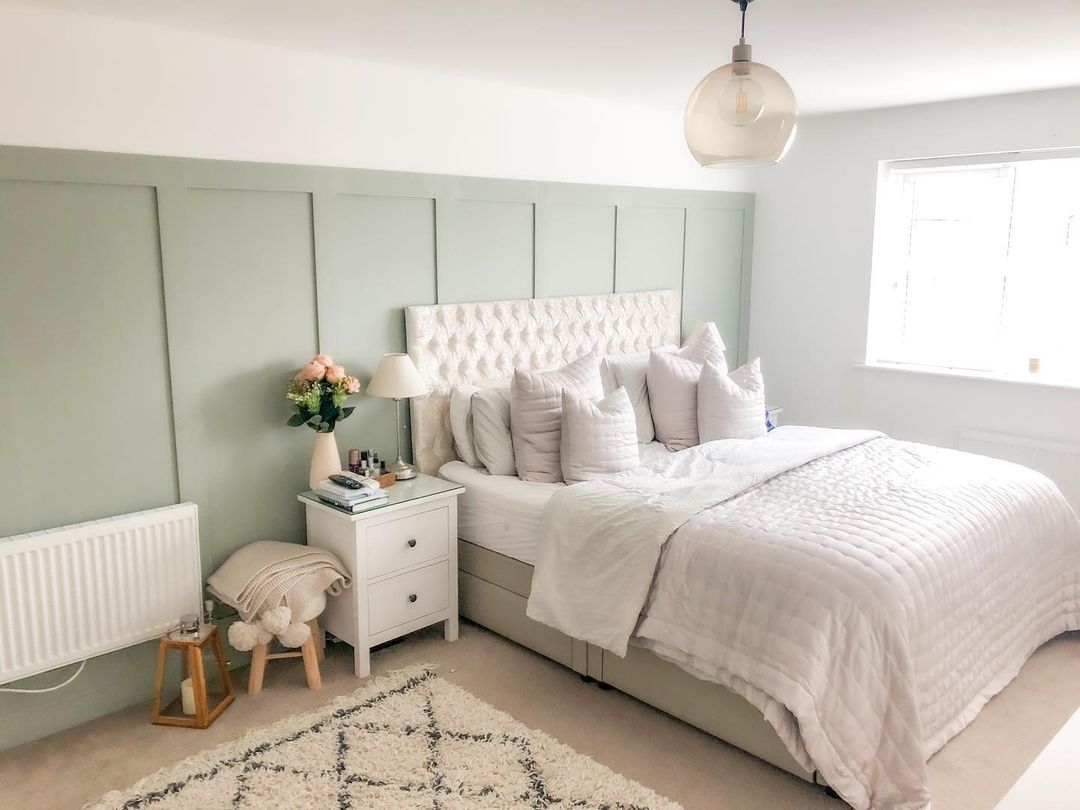
Compact rooms benefit from a soft neutrals bedroom approach. Light palettes expand visual space. Mirrors reflect natural light. Slim furniture maintains flow.
Designers recommend limiting decorative objects in smaller bedrooms. Clear surfaces and balanced spacing prevent overcrowding. This restraint enhances tranquility.
Why the Soft Neutrals Bedroom Style Remains Timeless

The enduring strength of the soft neutrals bedroom lies in simplicity. Neutral foundations adapt easily to seasonal updates. Accent pillows or artwork can shift style without repainting walls.
Homes built around calm palettes maintain value and versatility. Soft neutrals age gracefully because they align with human comfort rather than passing fashion.
Wellness and the Soft Neutrals Bedroom Connection


Wellness culture influences the rise of the soft neutrals bedroom. Indoor plants improve air quality and mood. Natural fabrics reduce sensory overload.
Environmental psychology research shows that muted color palettes support relaxation and reduce stress. Bedrooms designed with sage and beige tones become personal retreats that nurture daily rest.
Final Thoughts on Bedrooms in 2026

In 2026, the soft neutrals bedroom reflects clarity, warmth, and balance. Sage accents and layered textures create comfort without clutter. Thoughtful lighting and natural materials complete the atmosphere. Good design does not overwhelm the senses. It quietly supports rest and renewal.