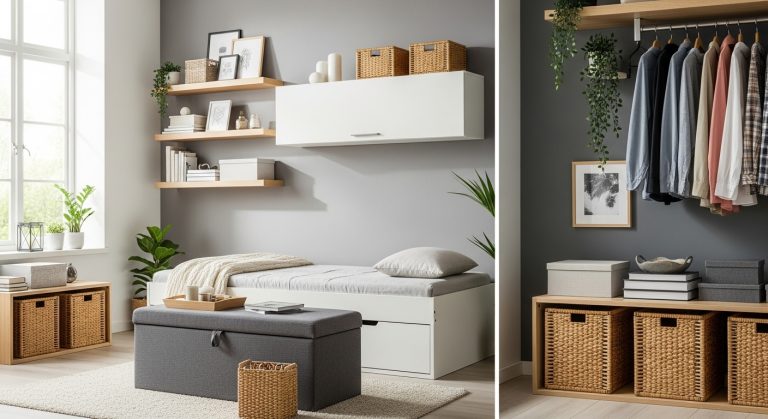
Your January Declutter Checklist: 10 Rooms, One Calm Home

Sara stood in her living room in early January and felt tired just looking around. Holiday boxes leaned against the wall, coats covered the bench by the door, and the coffee table held old magazines and a tangle of chargers. She had meant to tidy up after the holidays, but she never knew where to begin.
That morning she sat down and wrote her first january declutter checklist on the back of an old envelope. One room each day, one small job at a time, and nothing had to be perfect. By the end of the month, her home felt lighter and calmer. This guide follows the same plan, so you can clear ten rooms in ten steps and finish January with a fresh start.

Why This January Declutter Checklist Works So Well
Most declutter plans fail because they ask too much on day one. This plan works because it breaks the job into small daily wins. One room, one clear task, and one bag of things leaving the house. Small wins build trust, and trust keeps you going.

This plan also follows how you actually live. You start at the front door and move through the rooms you use most. A clear entryway greets you in the morning, and a calm bedroom helps you sleep. You need only three bags, a timer, and a willingness to let go. When the rules stay simple, you keep going, and that is the whole secret.
Before You Start
Gather three bags first, one to keep, one to donate, and one to trash. The keep bag holds things you use and love. The donate bag holds clean, working things another family can use. The trash bag holds broken or worn out items. Decide fast, since an item you pause over for more than a few seconds probably belongs in the donate bag.
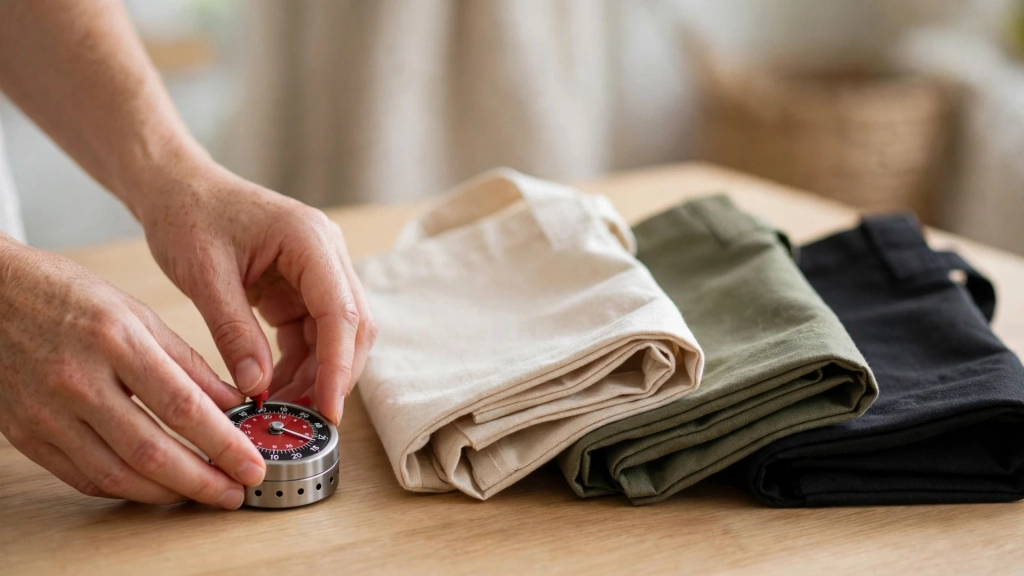
Set a timer for twenty minutes. Short sessions beat long ones because your energy stays high and your choices stay clear. When the timer rings, stop and take the donate bag to your car or front door. Finish one room before you move to the next, since one fully clear room proves the plan works.
10 Steps on the January Declutter Checklist
Here are ten steps, one for each part of your home. Work through them at your own pace, one per day or a few per weekend.
Step 1: Start at the Front Door
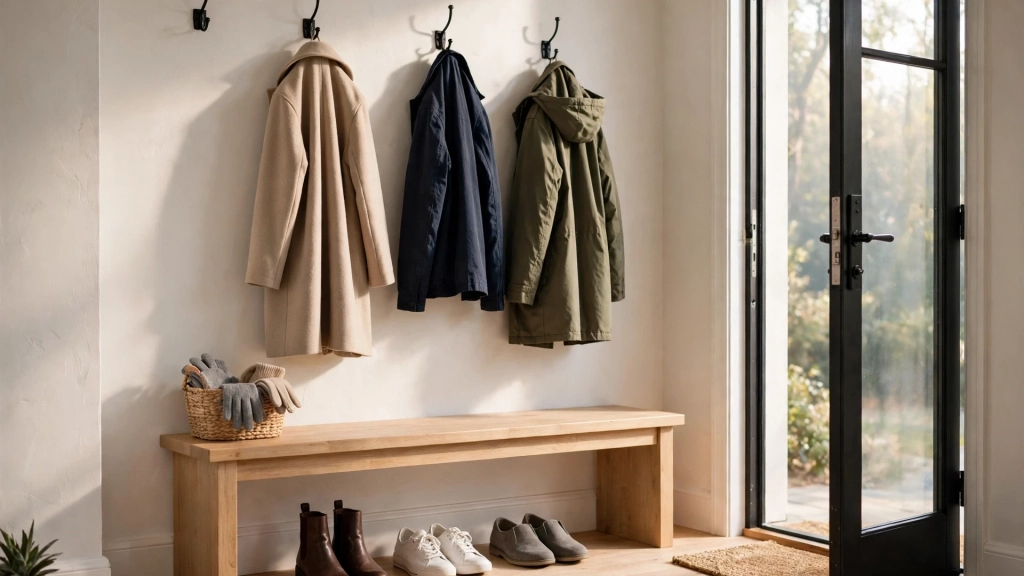
The entryway sets the tone for your whole home, so start here. Keep only the coats you wear each week on the hooks. Keep one pair of shoes per person by the door, and move the rest away. Clear the mail pile, toss old flyers, and file the few papers that matter. Hang one hook for keys and set a small basket by the door for gloves. Tomorrow, the first thing you see will be calm.
Step 2: Clear the Living Room Surfaces
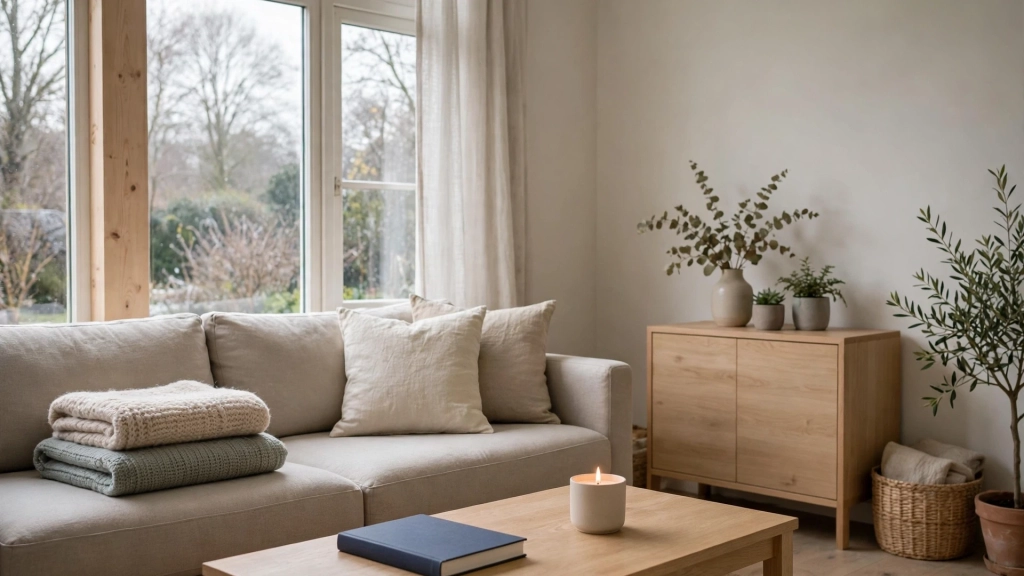
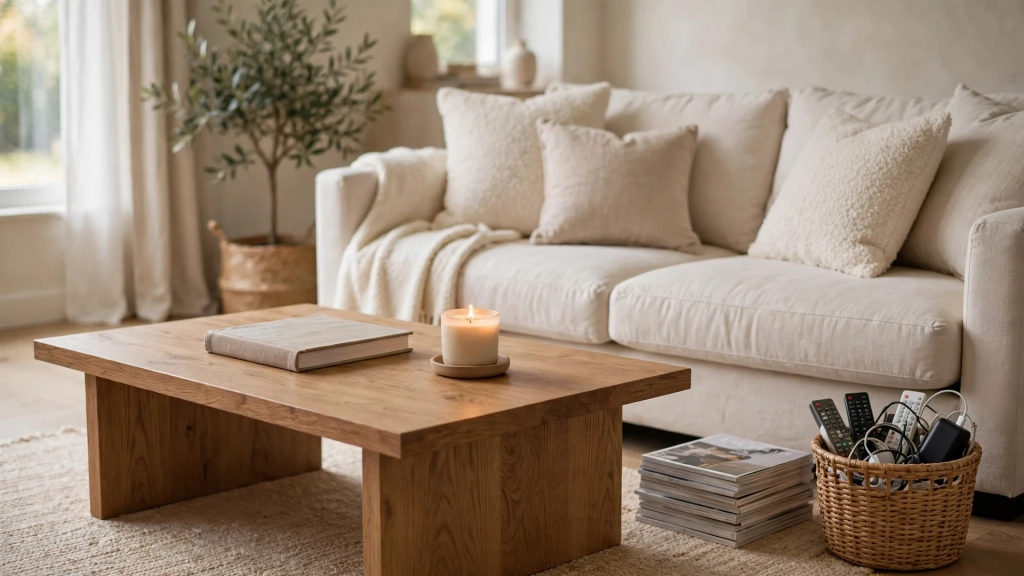
The living room collects things because everyone gathers there, so start with flat surfaces, since they show the biggest change. Clear the coffee table, then put back only three or four items you truly use, such as a book and a candle. Sort the magazines, keep the current issue, and recycle the rest. Gather remotes and chargers into one basket. Fold the throw blankets and fluff the cushions. A clear living room invites you to sit down and relax.
Step 3: Reset the Kitchen Counters
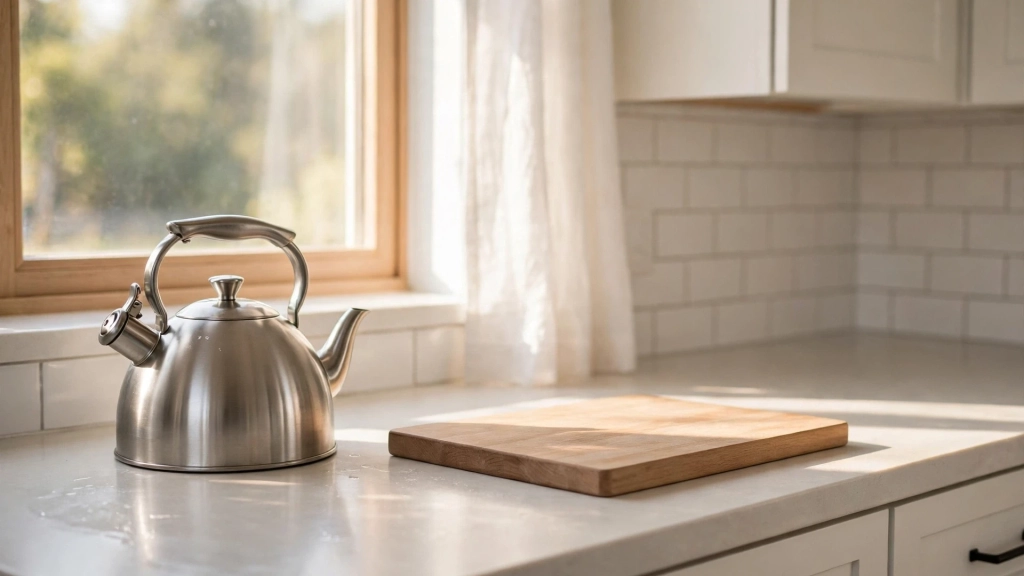
A clear kitchen counter changes how cooking feels. Remove everything, wipe the surface clean, and put back only the tools you use every day, such as the kettle and the cutting board. Move rarely used gadgets into a cabinet. Check the pantry for expired food and stale spices, and toss what has passed its best days. Sort the junk drawer and throw away broken pens and mystery keys. Clear counters make meals quicker.
Step 4: Tidy the Dining Table and Chairs
The dining table often turns into a second desk and a dumping ground. Clear it fully, then decide what truly belongs there. Keep a simple centerpiece, such as a small vase with fresh stems, and remove the rest. Check each chair and remove the extras you never use. Give homework and bills a basket, so the surface stays clear between meals. A table that is ready for dinner invites family meals.
Step 5: Refresh the Bathroom
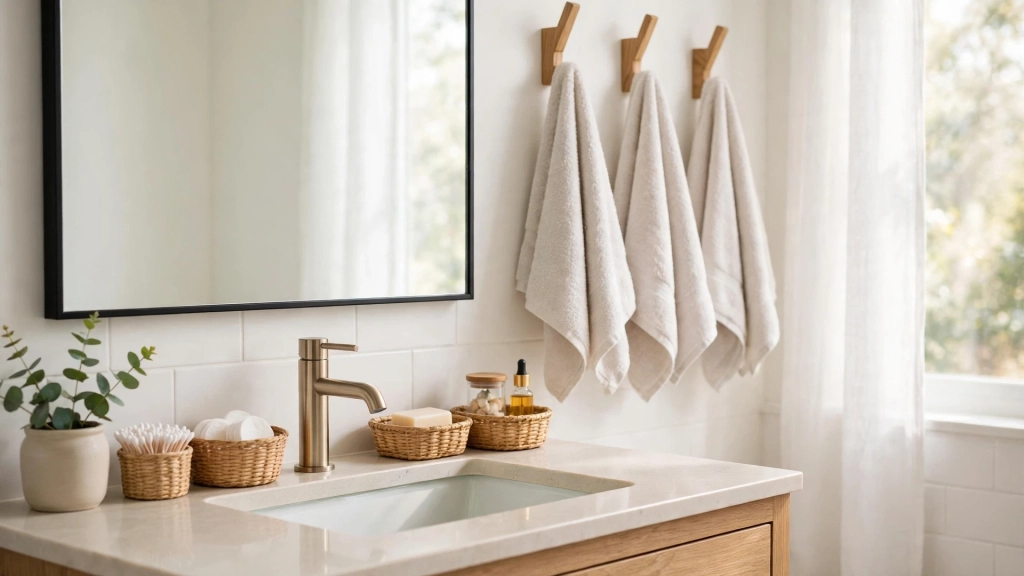
Bathrooms hide a surprising amount of clutter in small cabinets. Open every drawer and pull out half used bottles, dried up samples, and old makeup. Check expiry dates on medicines and creams, and dispose of them safely following the guidance on the label or from your local pharmacy. Keep only the products you use each week. Replace frayed towels and hang one hook per person so towels dry properly. Wipe the mirror and clear the sink edge.
Step 6: Let the January Declutter Checklist Sort the Closet
The closet is where most of us keep clothes we no longer wear. Take everything out, one section at a time. If you have not worn it in a year, and it does not fit or feel good, let it go. Keep the pieces you reach for again and again, and donate the rest. Match your hangers and line up shoes so you can see every pair. Keep a small donation bag in the closet, so the next shirt that stops fitting your life leaves right away.

Step 7: Calm the Bedroom
Your bedroom should help you rest, so clear it with sleep in mind. Start with the nightstand, keep a lamp, a book, and a glass of water, and move the rest to its proper place. Check under the bed for boxes and forgotten items, and decide what stays and what goes. Change the bedding, fluff the pillows, and put away clean laundry the same day you fold it. Remove the chair that collects clothes, and hang tomorrow's outfit on a hook instead.
Step 8: Organize the Home Office or Desk Corner
A messy desk makes every task feel harder. Clear the surface, keep only your laptop, a pen, and a notebook, and move the rest into drawers. Sort the papers into three piles, one to file, one to act on, and one to recycle. Untangle the cables, label the chargers, and throw away pens that no longer write. Wipe the screen and keyboard, and place a small bin beside the desk for daily paper. A clear desk helps your mind focus, and focus helps you finish faster.
Step 9: Sort the Kids Rooms or Play Area
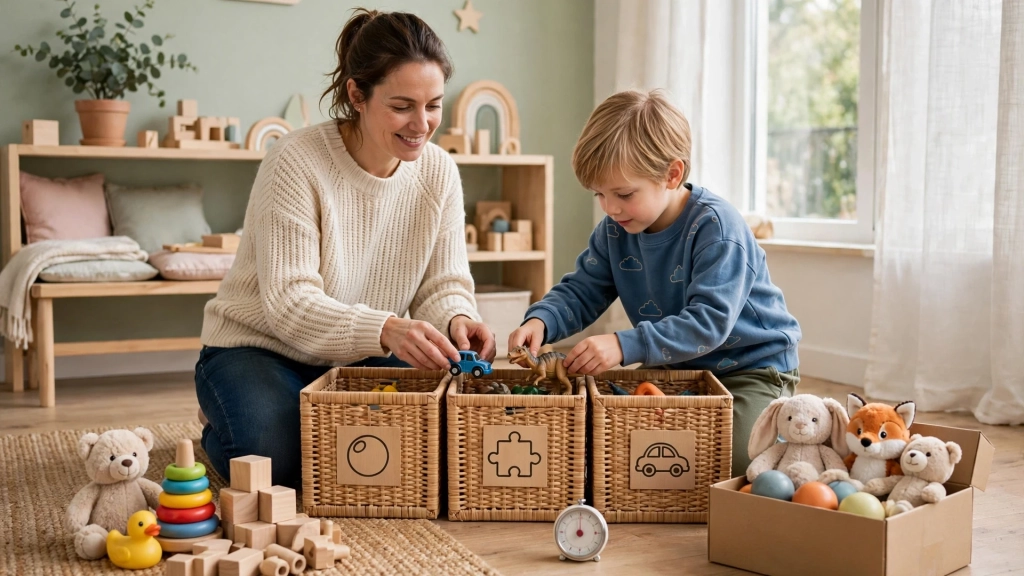
Kids rooms fill up fast, so invite your children to help and make it a game. Set a timer for fifteen minutes, play music, and sort toys into keep, donate, and broken piles. Keep the favorites, donate the outgrown toys in good shape, and throw away anything broken or missing pieces. Sort the clothes by size and keep only what fits now. Use low bins with picture labels so children can tidy up by themselves.
Step 10: Finish in the Garage, Basement, or Storage Closet
Save the storage spaces for last, because they hold the hardest decisions. Work one box or one shelf at a time, and label everything you keep. Holiday decorations go in clear bins with labels, so next December you find them in minutes. Tools go on hooks or in one toolbox, not scattered across shelves. Old paint, broken appliances, and mystery cables can leave now. Keep a clear path through the room, so you can reach what you need without moving five boxes.
How to Keep the Momentum After the First Week
The first week feels exciting, but the second week is where most plans fade. Tape your january declutter checklist to the fridge or the inside of a kitchen cabinet, and cross off each room as you finish it. Seeing your progress keeps you motivated on low energy days. Keep a donation bag by the front door, and drop it off whenever it fills up.
Build a small daily reset into your evening. Spend ten minutes putting things back where they belong and clearing the kitchen counter. Try the one in, one out rule for the rest of the year. Each time a new item comes in, choose one old item to donate or recycle. A january declutter checklist works best when you treat it as a friendly guide, not a strict test, so forgive a missed day and pick up the next step tomorrow.
Your Calm Home Is Closer Than You Think
You do not need a new house or new furniture to feel calm at home. You need a simple plan, a little time each day, and the courage to let go of things that no longer fit your life. Each room you clear gives you back space, time, and peace of mind.
Print this january declutter checklist and start with step one today. Clear the front door, enjoy the small win, and let it pull you into step two tomorrow. By February, your january declutter checklist will feel less like a chore and more like a small habit that keeps your home calm all year.