
Front gates set the tone for the entire property. They greet guests, create privacy, secure the perimeter, and contribute to architectural style. In 2026, homeowners expect gates to look refined and perform well. They want gates that feel modern without feeling cold. They want gates that stay durable in sun, rain, wind, and heat. These expectations shape new Front Gate Design Ideas that blend clean aesthetics with practical function.
The bathroom directions for 2026 emphasize calm refinement and the value of daily ritual. Designers focus on lighting, materials, proportion, and spatial flow to create rooms that support routine with understated luxury rather than spectacle. This careful level of coordination shows how multiple elements must work together to produce an experience—reflecting the same design logic that now guides modern gates, where architecture, landscape, and lighting align to create an intentional first impression long before someone steps inside.
Why Front Gate Design Ideas Matter More in 2026
Homes today demand more from their exterior spaces. Security concerns, privacy needs, and curb appeal shape how homeowners think about exteriors. Real estate research from Zillow shows that first impressions influence perceived value. Curb appeal matters, and the gate plays a major role in that perception.
Gates also influence the emotional tone of the arrival sequence. A light, open gate invites. A solid gate protects. A tall gate shields. Designers mix these functions to deliver comfort rather than intimidation.
Architectural studios now design gates as part of the home’s identity, not as a last-minute hardware decision. This new mindset drives modern Front Gate Design Ideas grounded in architecture and lifestyle.
Materials Shape the Visual and Structural Integrity
Material selection determines how the gate performs and ages. In 2026, the most popular materials include powder-coated steel, aluminum, hardwoods, composite wood, and architectural glass. Each carries a specific character and maintenance profile.
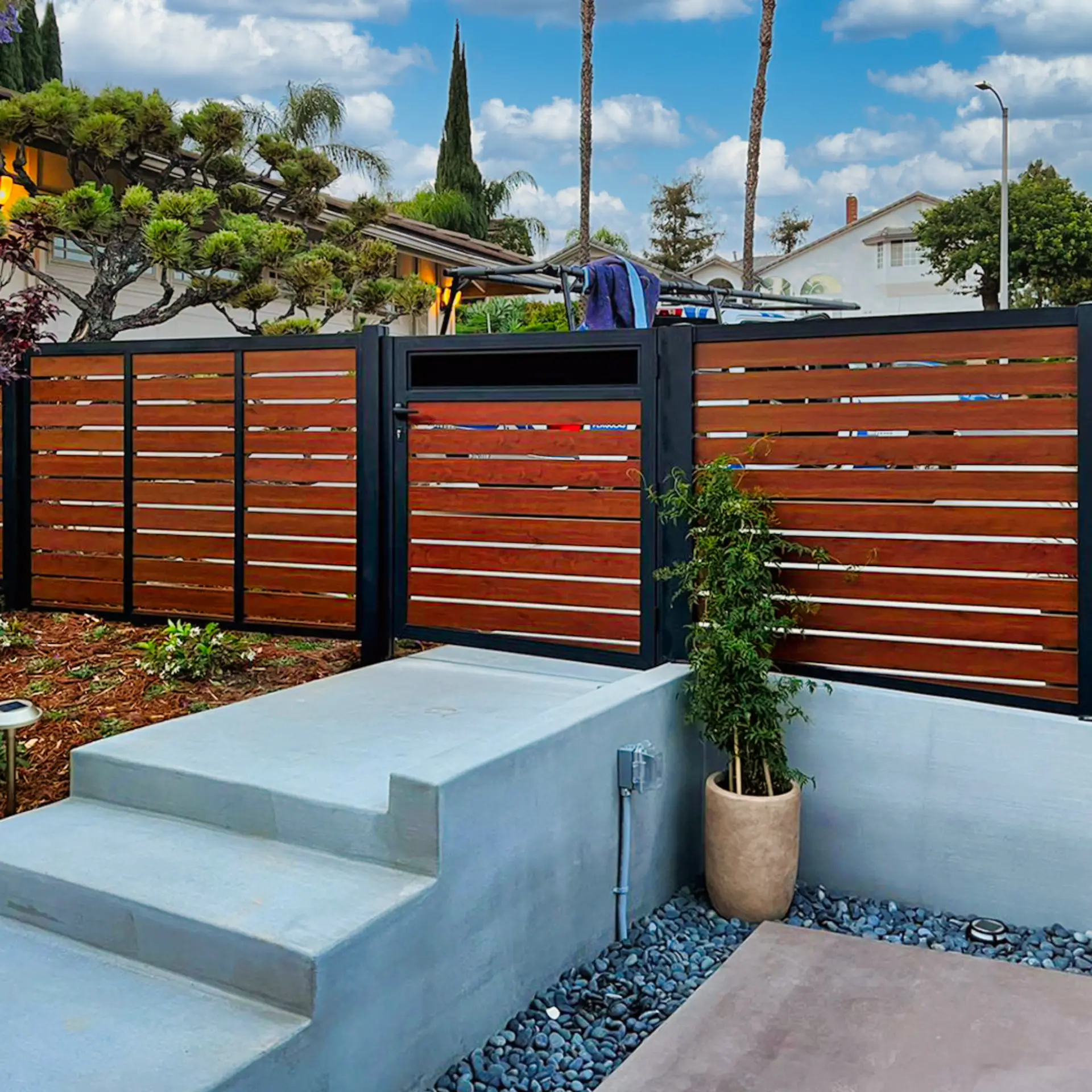
Powder-coated steel resists rust and offers a clean, matte finish suitable for contemporary homes. Aluminum stays lightweight and works for automated gates that open frequently. Hardwoods such as teak, iroko, and cedar add warmth and natural variation. Composite woods mimic timber without warping or weathering. Glass inserts introduce transparency and light without compromising style.
Material honesty influences both how the gate looks and how it holds up over time. Homes in sunny or coastal climates benefit from marine-grade coatings and corrosion-resistant hardware.
Color Palettes Stay Neutral and Architectural
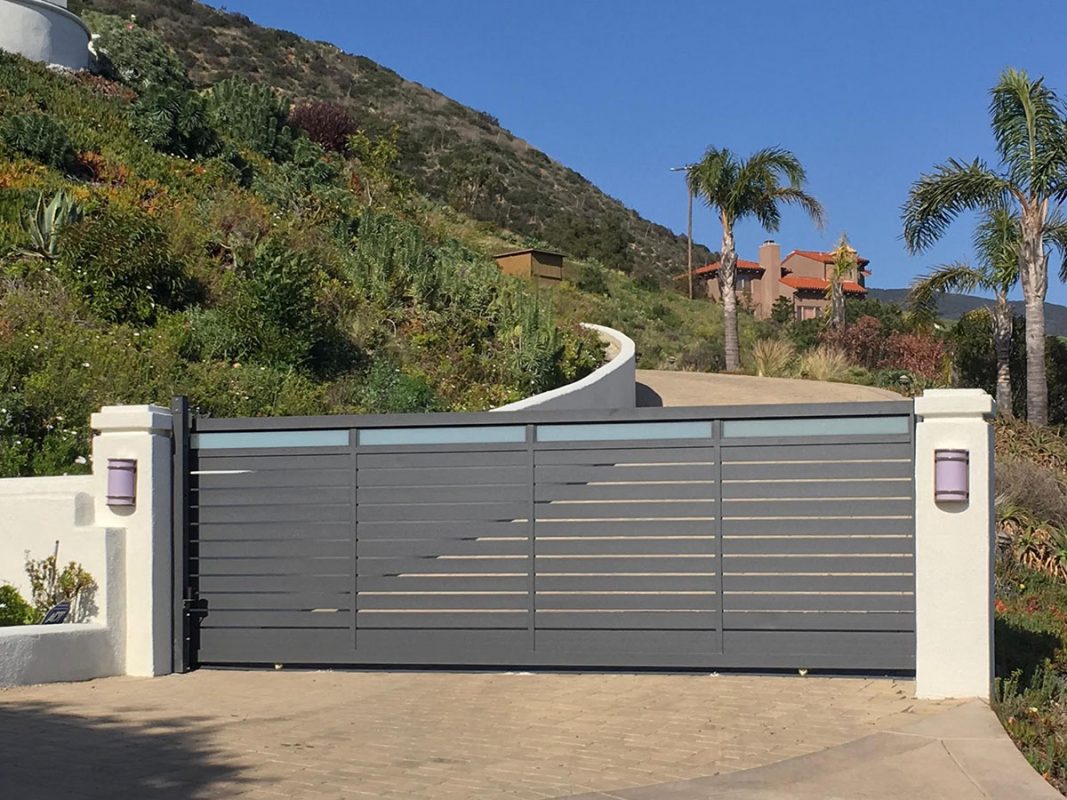
Color plays a significant role in 2026 exterior design. Front gates avoid loud hues and instead lean toward warm neutrals and architectural tones. Charcoal, slate, matte black, sand, bronze, and smoked timber dominate the category.
These tones support minimalist landscaping, modern facades, stucco finishes, and metal rooflines. They also relate well to modern fencing, hedges, and retaining walls. Paint brands and architectural coatings companies promote matte and satin finishes because they absorb light and reduce glare.
A cohesive palette makes the gate feel like a designed component, not an attached product.

Privacy and Security Go Hand in Hand
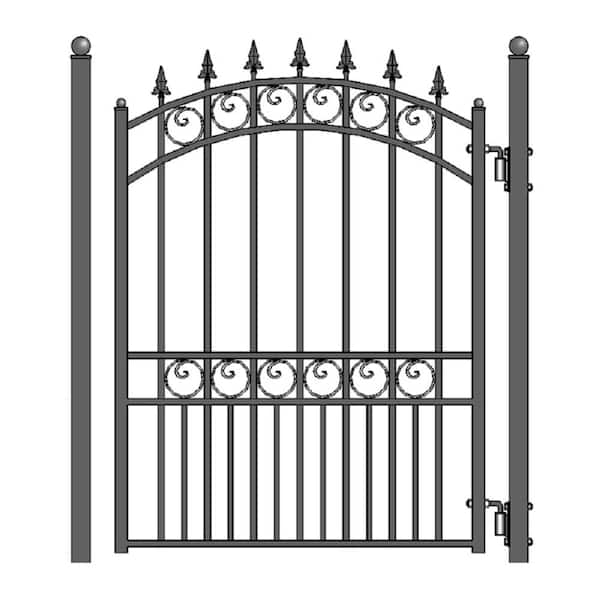
Gates manage privacy and security without sacrificing design. Slatted designs allow airflow and visibility from the inside out. Solid designs block direct sight lines while creating a strong architectural gesture. Homeowners choose layouts based on how much privacy they value and how close neighbors stand geographically.
Automation takes center stage. Automated sliding gates dominate narrow lots where swinging gates need more clearance. Smart entry systems pair with video doorbells and exterior security cameras. These systems borrow from commercial and hospitality security but remain visually quiet.
Modern security expectations influence many Front Gate Design Ideas that homeowners pursue in dense urban and suburban neighborhoods.
Scale Matters More Than People Expect
Proportion separates good design from mediocre design. A gate that sits too small feels apologetic. A gate that sits too large overwhelms the façade. Designers evaluate the height of the home, the width of the driveway, and the sight lines to the street.
Single-family homes in 2026 favor taller pedestrian gates and wider vehicle gates. Taller gates project privacy without feeling fortress-like when softened with landscaping. Horizontal slat patterns increase perceived width. Vertical slat patterns increase perceived height.
Designers align gate proportions with fencing, walls, and entry door heights for visual harmony.
Landscaping Enhances Gate Architecture
Landscaping changes the emotional tone of a gate. Soft grasses, olive trees, bamboo screens, or structured hedges soften hard materials. Lighting along plant beds guides guests at night. Gravel, pavers, and concrete slabs direct traffic between gate and door.
Landscape architects use plants to frame gates in the same way art directors frame subjects in film. They reveal, hide, and filter. This interplay of architecture and landscape makes the front of the home feel complete.
Lighting also plays a major role. Warm outdoor sconces, recessed step lights, and slim LED path strips highlight textures at night. Hospitality lighting influences residential exterior design because homeowners want hotels’ arrival experience at home.
This collaboration between architecture and landscape defines many of the strongest modern Front Gate Design Ideas appearing in new residential builds.
Client Needs Shape Gate Functionality
Families want gates that support lifestyle. Some want full privacy for children and pets. Some want drive-up convenience with automated entry. Some want framed views of the street or garden. Designers adjust density, opacity, and placement based on these needs.
For example:
• Families with pets choose solid lower portions to prevent escape
• Homes on busy streets choose taller gates for noise buffering
• Homes in scenic areas choose open slats to maintain views
This functional tailoring elevates gate design beyond simple aesthetic decisions.
Sustainability and Weather Resistance Influence Material Choices
Sustainability enters the gate conversation through material sourcing and durability. FSC-certified hardwoods reduce environmental impact. Aluminum and steel offer recyclability. Powder-coat finishes extend lifespan and reduce the need for repainting.
Weather resistance matters in coastal and desert climates. Salt air corrodes untreated metals. Intense sun bleaches bare wood. Designers specify marine-grade finishes and UV-resistant coatings to fight these forces.
Longevity aligns with modern values. A gate that lasts ten years no longer qualifies as luxury. Homeowners want decades, not seasons.

Longevity Outranks Trends
The strongest exterior designs choose timeless geometry rather than trendy spectacle. The homes that age well avoid gimmicks. They avoid ornamental patterns that date quickly. They avoid bold colors that fade in style and in sunlight. They embrace proportion, simplicity, and texture.
This mindset gives durability not only in materials but in taste. That longevity underpins the future of Front Gate Design Ideas moving into the next decade.
Final Thoughts on Modern Gate Design in 2026
Gates now belong to the architecture, not to the hardware aisle. They integrate with lighting, landscaping, security, and exterior finishes. They welcome guests with intention. They protect families with grace. They enhance the identity of the home.
The continued rise of modern Front Gate Design Ideas reflects a broader shift toward homes that perform better and feel calmer.
A gate becomes the first handshake of the house. It sets expectations before the door ever opens.