

Corners often go unnoticed in homes. They sit quietly behind sofas, next to windows, or beside bookshelves without a clear purpose. In 2026, that changes. Designers recognize that corners can become some of the most charming and useful spaces in a room. They support reading, working, relaxing, playing, or displaying. They add character without remodeling. This shift drives modern Corner Decor Ideas that treat corners as opportunities rather than leftovers.
The pantry ideas shaping 2026 highlight how smart storage and simplified systems can make compact spaces work harder without feeling crowded. Designers are prioritizing organization that supports cooking and daily rhythms while reducing visual stress—favoring thoughtful shelving, clear access, and materials that age well. This reflects a broader shift in the home: small areas are no longer ignored or decorative, they contribute to comfort and function in ways that make rooms feel complete.
Why Corner Decor Ideas Matter More in 2026
Home layouts changed. Many people need spaces that support reading, laptop work, morning rituals, or evening unwinding. Publications like Architectural Digest and Dwell highlight how homeowners want smaller spaces for quiet focus in a digital world. Corners meet that need without major renovation.
Designers study circulation patterns, sight lines, and natural light. They place seating and lighting where people already linger. Corners near windows become reading nooks. Corners near doors become drop zones. Corners near kitchens become coffee corners or breakfast nooks.
This practical redesign explains why modern Corner Decor Ideas feel both beautiful and useful.
Lighting Defines Mood and Function
Lighting transforms a corner instantly. Floor lamps, sconces, pendant fixtures, and small task lights shape the comfort of the space. Warm lighting flatters walls and softens shadows. Dimmable fixtures allow corners to serve multiple moods throughout the day.
Hospitality design influences this shift. Boutique hotels use lighting to direct behavior and emotion. Homeowners borrow the same strategies for reading corners, craft corners, and coffee corners.
Lighting changes how people perceive comfort, which makes it foundational to a successful corner.
Furniture Anchors the Corner’s Purpose
Furniture determines how a corner functions. A chair makes it a reading space. A bench makes it a transitional space. A console makes it a display space. A desk turns it into a workspace.
Designers choose furniture based on depth and height to avoid crowding circulation. Slim-profile chairs, narrow side tables, and floating desks work well in tight corners. Storage benches provide seating and clutter control in entry corners.
European and Scandinavian influences encourage clean-lined furniture that feels soft and human rather than bulky or ornate.


Textures Make Corners Feel Inviting and Finished
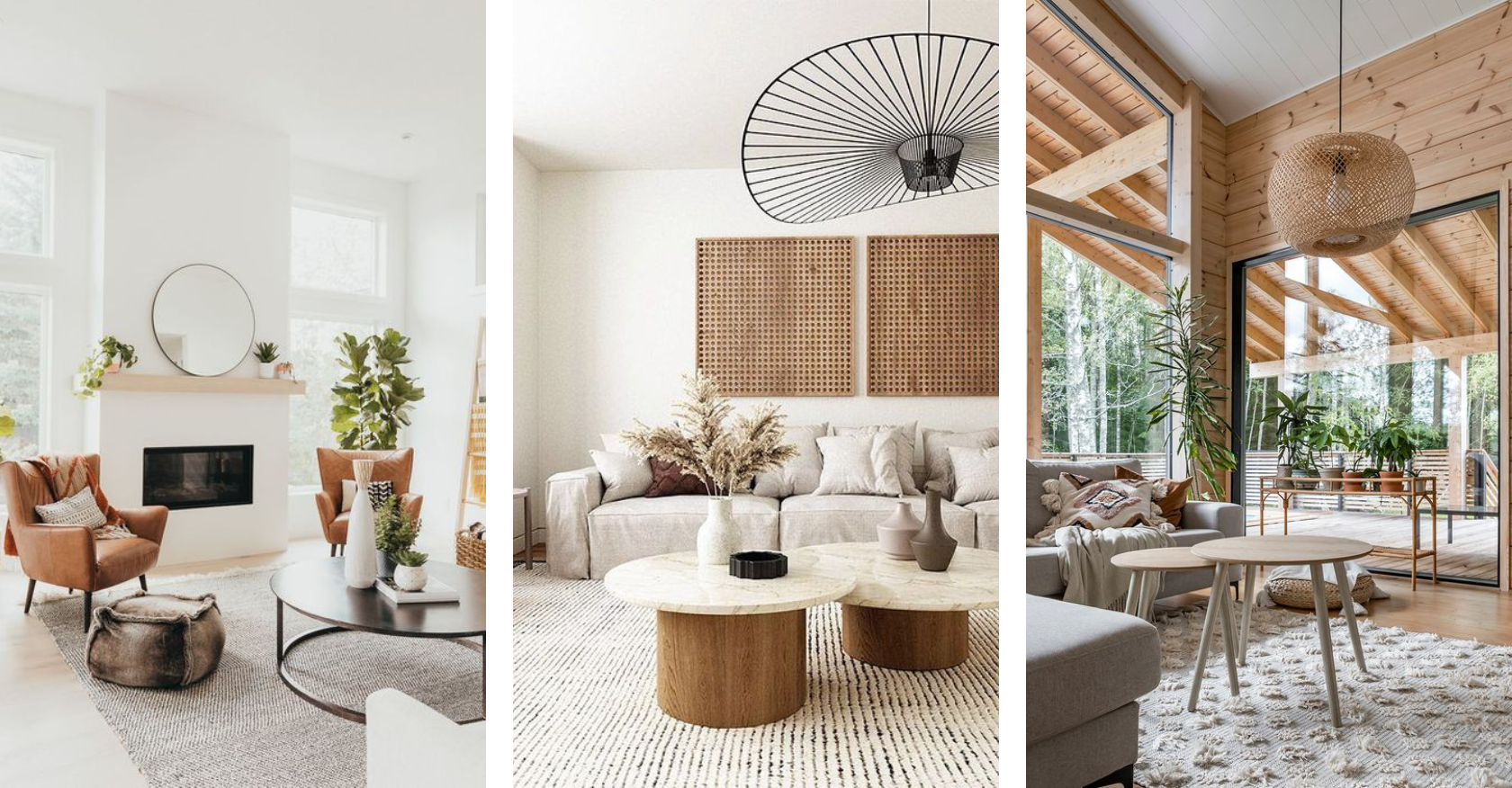
Texture plays a major role in cozy corners. Soft throws, linen cushions, wool rugs, and natural wood bring warmth. Texture absorbs sound and softens visual edges, making corners feel comfortable rather than forgotten.
Designers mix smooth and tactile materials for balance. A leather chair pairs with a knitted throw. A natural wood side table pairs with a ceramic lamp. A wool rug pairs with iron legs. Texture layering creates sensory comfort without clutter.
Texture differentiates corners from the rest of the room. It signals that the corner holds an activity, not just emptiness.
Wall Art and Decor Elevate the Vertical Space
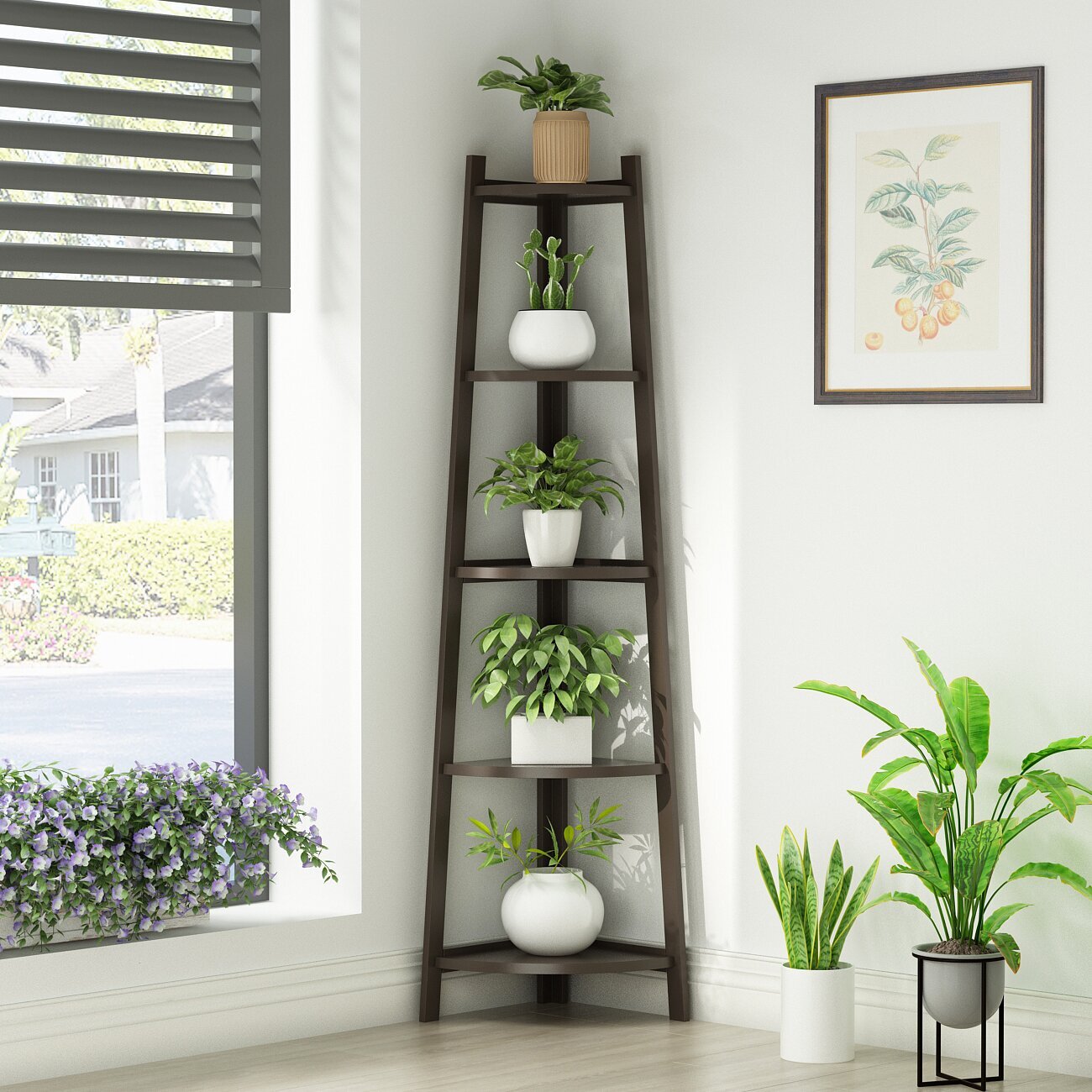
Walls matter in corners. Art, mirrors, shelves, and framed prints bring personality, height, and rhythm. Vertical styling prevents corners from feeling visually heavy at floor level.
Gallery-style frames add storytelling. Mirrors expand light and space. Sculptural shelves display plants, books, and ceramics. Wallpapers and paint accents define the corner as a micro-room without building walls.
These details add visual interest without overwhelming the home.
Plants Bring Corners to Life
Plants add movement, color, and organic softness. Tall plants like fiddle leaf figs, olive trees, or bamboo palm define empty corners with height. Small plants fill shelves and tables with texture. Hanging planters and trailing vines use vertical space effectively.
Organizations like The Sill and botanical experts note how greenery reduces stress and improves indoor air quality. Corners benefit from these effects because they hold stillness and intimacy.
Plant styling also brings nature into rooms that lack large windows or outdoor access.
Corners Designed for Everyday Rituals
Corners support rituals that define a home. Reading corners hold books, blankets, and soft light. Coffee corners hold mugs, brewers, and shelves. Craft corners hold supplies and tools. Meditation corners use cushions and candles. Pet corners use beds and bowls.
These micro-rooms support routines that matter more than furniture arrangements. Designers prioritize daily rituals because they shape how people relate to their homes.
This functional mindset influences many modern Corner Decor Ideas appearing in interior projects for families, students, and hybrid professionals.
Corners in Small Homes Provide Big Value
Small homes rely on corners for zoning and space extension. A 400-square-foot apartment gains value from a reading corner behind the sofa. A studio gains value from a desk corner near a window. A small bedroom gains value from a plant corner in an unused nook.
Corners help small spaces feel layered, not cramped. They add “moments” inside rooms without rearranging the entire layout.
Small-space design experts highlight corners as underutilized square footage that supports meaningful upgrades without renovation.

Longevity Outweighs Trends
Home décor once chased themed styling. Now it values endurance. Neutral palettes, natural materials, vintage furniture, and quality lighting age well. They avoid the disposable look of trend-driven décor.
This shift places emphasis on timeless layouts rather than noisy styling. Corners benefit from this mindset because they thrive on simplicity.
Longevity defines the most successful Corner Decor Ideas for 2026 and beyond.
Final Thoughts on Corner Styling in 2026
Corners hide enormous potential. They hold space for rituals, reading, plants, conversation, storage, and display. They activate the home without expansions or remodeling. They make rooms feel cozy, personal, and complete.
The continued rise of modern Corner Decor Ideas reflects a future where homes prioritize comfort and connection over spectacle.
Corners remind us that beauty can exist in quiet spaces.
Homes become more human when every inch feels cared for.