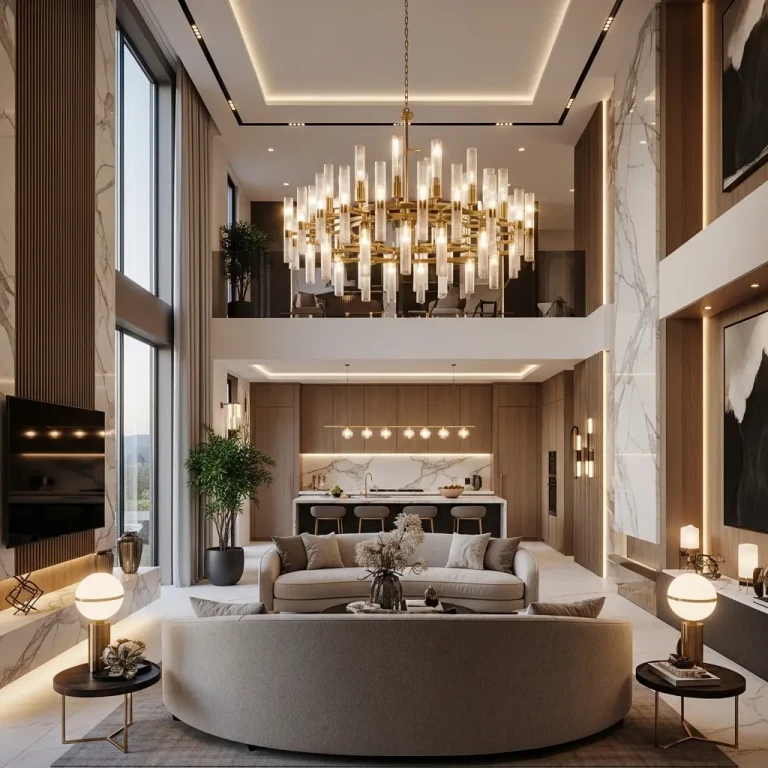
Color Block Interiors 2026 Bringing Bold Balance Into Modern Homes

In 2026, interior design embraces confidence. Homeowners no longer fear bold walls or defined shapes. Instead of playing safe with one neutral shade, they experiment with contrast and personality. That shift drives the rise of Color Block Interiors.
Color blocking does not mean chaos. It means intention. Designers divide walls, ceilings, and furniture into clear sections of color. Each block creates structure. When done well, the room feels modern and energetic without appearing overwhelming.
This approach draws inspiration from Bauhaus principles and contemporary graphic design. Clean geometry meets thoughtful color pairing. The result feels bold yet balanced.
Why Color Block Interiors Are Dominating 2026
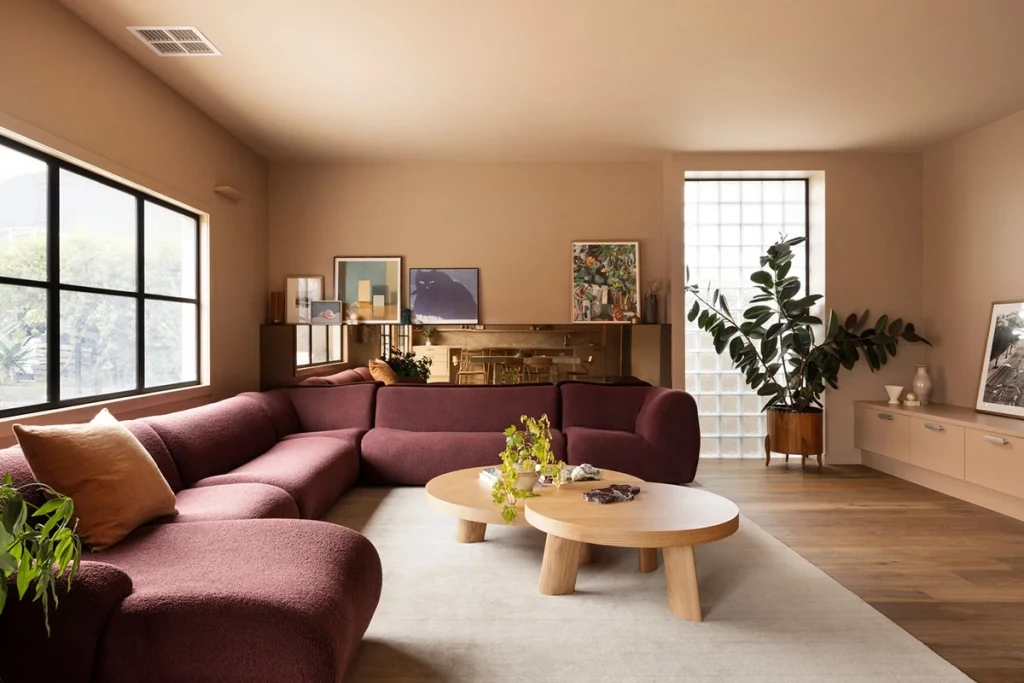

The popularity of Color Block Interiors reflects a cultural shift toward individuality. Many homes in the past decade leaned heavily on gray and white palettes. While calming, those spaces often felt predictable.
Now, designers introduce strong contrasts. Deep navy paired with warm beige. Terracotta combined with dusty pink. Forest green meeting soft cream. These combinations create depth and personality.
Research in environmental psychology shows that color influences mood and energy. Warm tones encourage conversation. Cooler hues support focus. Strategic placement shapes daily experience.
Choosing the Right Palette for Color Block Interiors

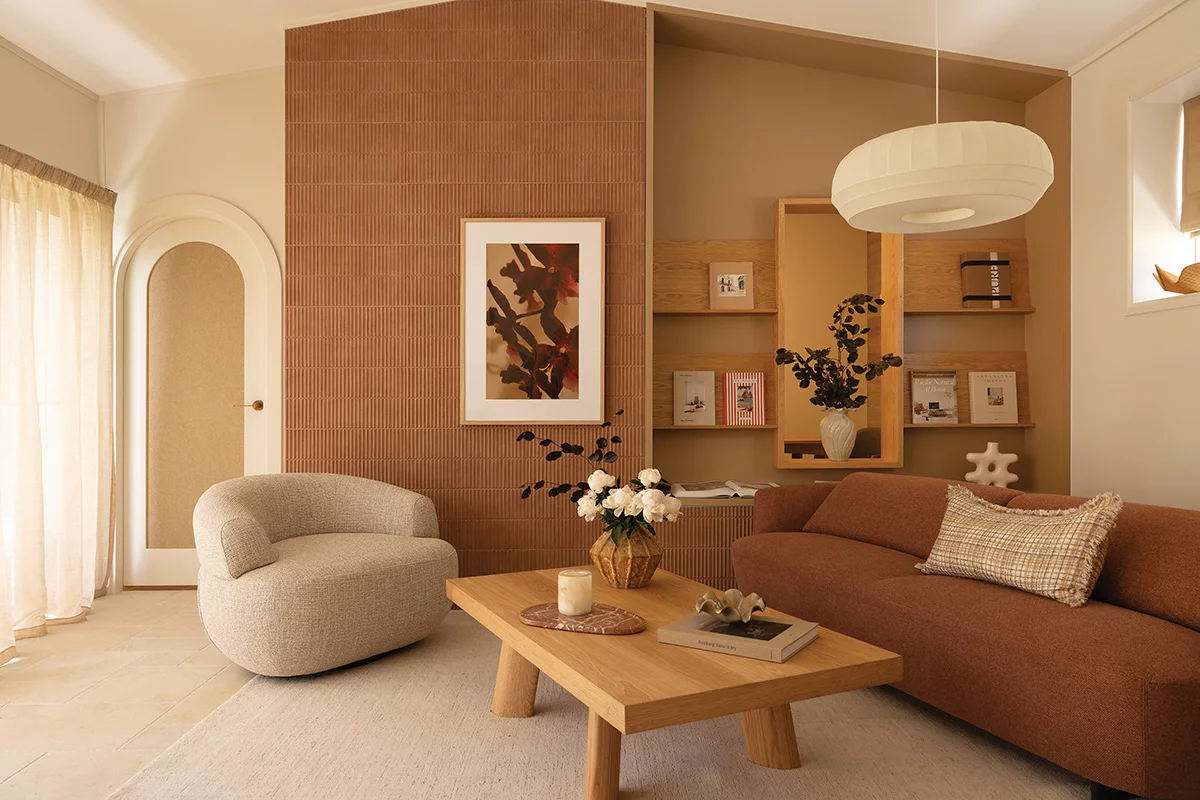
Palette selection determines the success of Color Block Interiors. Designers often begin with a neutral base such as warm gray, muted sage, or soft sand.
Next comes a complementary accent. Burnt orange, charcoal blue, or mustard yellow add contrast. The key lies in proportion. Larger surfaces carry softer tones. Smaller shapes introduce bold accents.
Natural light plays a critical role. South facing rooms handle darker hues better. Smaller spaces benefit from lighter combinations that reflect brightness.
Living Rooms and Color Block Interiors


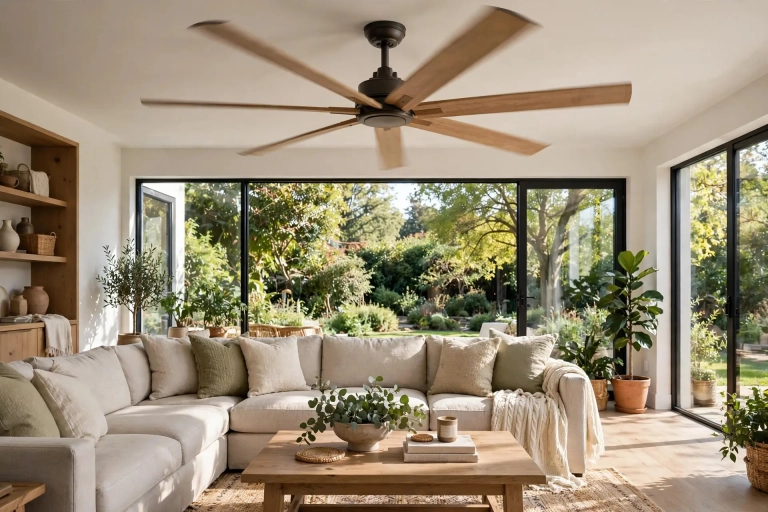
Living rooms provide ideal canvases for Color Block Interiors. A painted backdrop behind shelving defines the entertainment area. A contrasting ceiling color lowers visual height in tall spaces.
Open layouts benefit from painted zones. A deeper shade behind the sofa separates it from a dining area without physical walls. Rugs and furniture placement reinforce those boundaries.
Geometry creates order. Rectangles, arches, and half painted walls add personality without clutter.
Bedrooms Styled with Color Block Interiors


Bedrooms require softer contrast. In Color Block Interiors, designers often use muted clay, dusty rose, or sage green behind the bed.
A painted arch replaces traditional headboards. Horizontal bands visually widen narrow rooms. Subtle contrast encourages rest rather than stimulation.
Layered textiles echo wall tones. Linen bedding, cotton throws, and textured cushions maintain harmony.
Kitchens Featuring Color Block Interiors


Kitchens embrace Color Block Interiors through cabinetry and islands. Upper cabinets often remain light. Lower units introduce depth through navy, forest green, or charcoal finishes.
A contrasting island becomes the focal point. Backsplashes extend accent colors upward, connecting cabinetry and walls.
Paint provides affordable transformation. Instead of full renovations, homeowners refresh kitchens through bold color sections.
Small Spaces and Color Block Interiors


Compact homes benefit from strategic Color Block Interiors. Vertical blocks elongate walls. Horizontal bands widen tight hallways.
A painted doorway frame draws attention to architectural detail. A two tone closet door creates subtle depth.
Scale matters. Oversized shapes overwhelm small rooms. Thoughtful proportion ensures balance.
Lighting Effects in Color Block Interiors
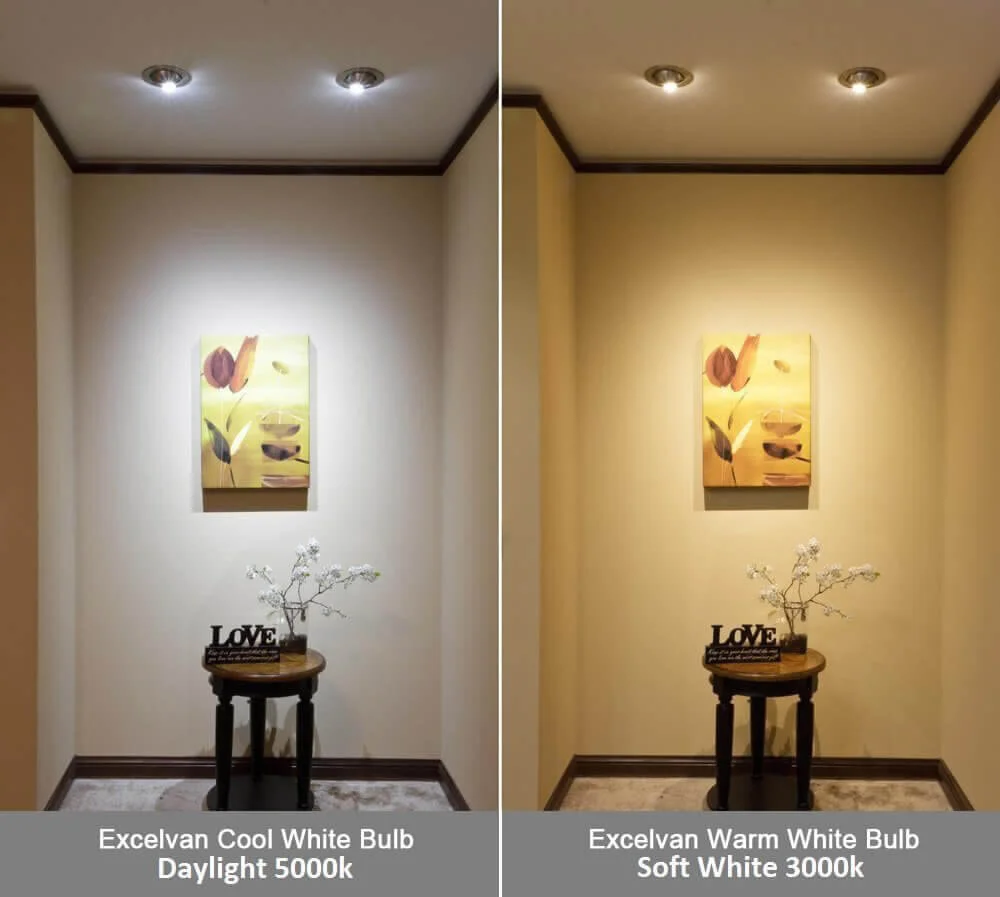
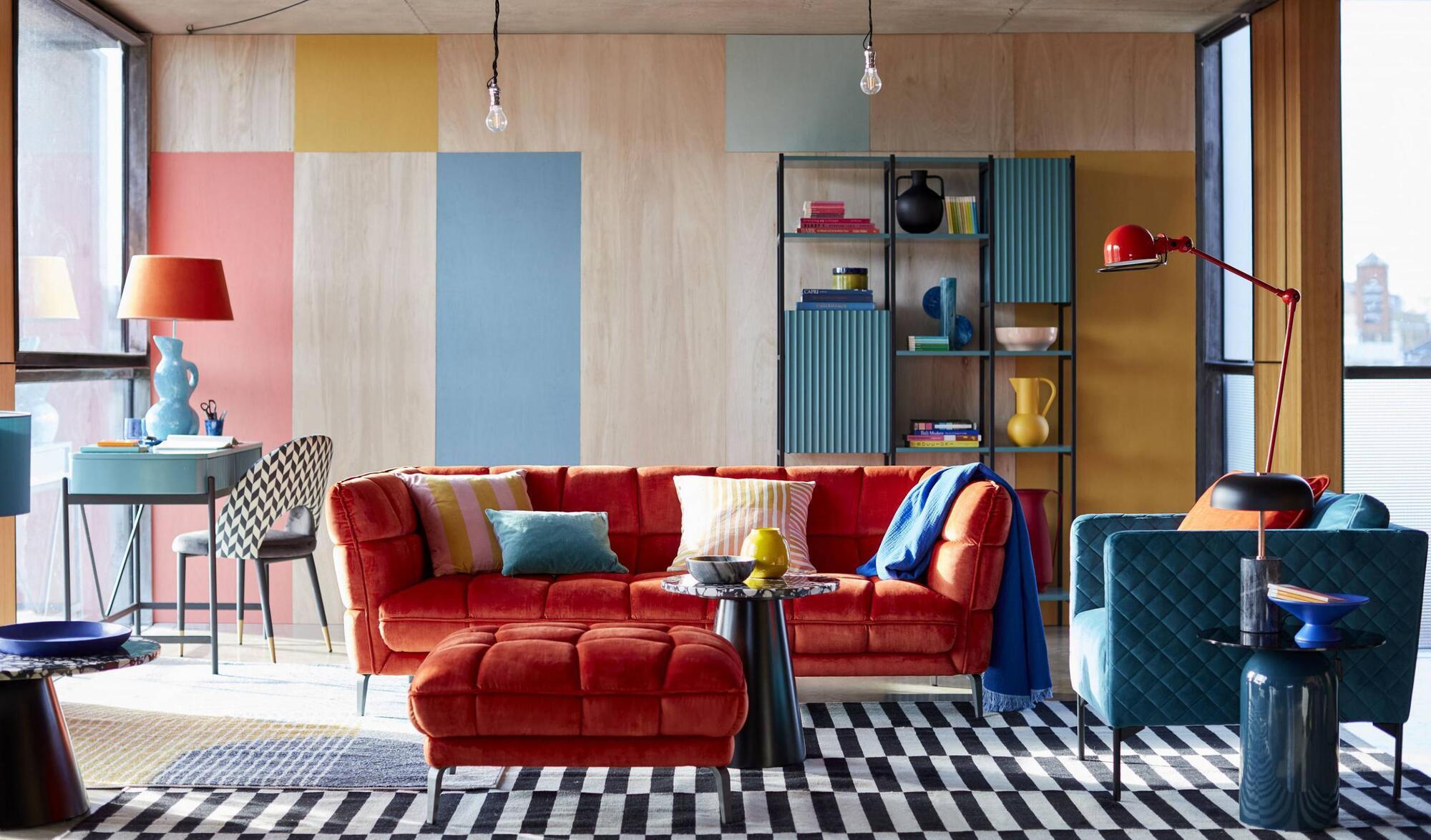

Lighting changes how color appears. In Color Block Interiors, warm LED bulbs enhance richness. Cool white light flattens tones.
Wall sconces highlight geometric sections. Pendant lights cast soft shadows that add dimension. Layered lighting ensures visual depth during evening hours.
Designers always test paint under both natural daylight and artificial lighting before final decisions.
Sustainability and Long Term Value

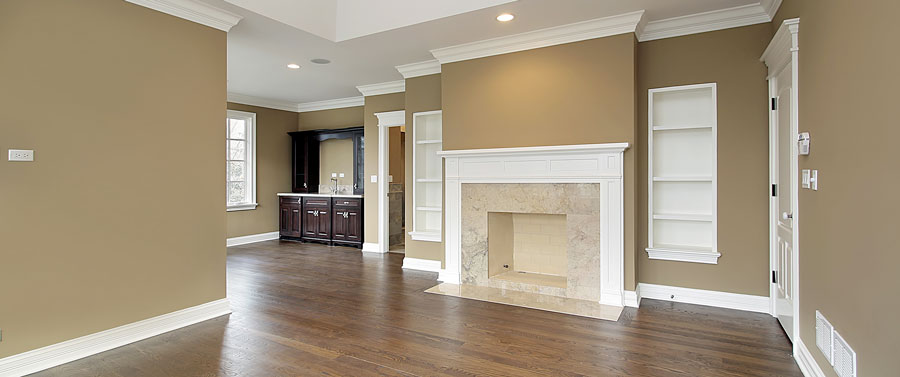

Sustainability shapes design choices in 2026. Water based, low VOC paints improve indoor air quality. Instead of adding excessive decor, Color Block Interiors rely on paint itself as a design statement.
This reduces clutter and material waste. A well planned color layout lasts for years. If trends change, homeowners repaint a single section rather than an entire room.
Flexibility keeps design timeless.
Final Thoughts on Color Block Interiors in 2026


In 2026, Color Block Interiors represent clarity and confidence. They transform plain walls into intentional design features. Through balanced palettes, thoughtful geometry, and controlled lighting, homes gain energy without chaos.
Good design does not demand complexity. It demands intention. When color defines space with structure, rooms feel alive yet harmonious.