Standard Dresser Size: The No-Guess Guide to Picking the Right One

Standard Dresser Size: The No-Guess Guide to Picking the Right One
Two years ago, my friend Sara fell in love with a six-drawer dresser she found online. The photos looked perfect, the reviews were glowing, and the price felt like a steal. She clicked buy without a single thought about measurements. When the delivery truck arrived, the dresser swallowed half her bedroom wall and blocked her closet door completely. She learned the hard way that loving how a dresser looks means nothing if it does not fit the room.
Most shoppers skip the boring part of furniture shopping, the tape measure, and they pay for it in delivery fees, return headaches, and a bedroom that feels cramped forever. That is exactly why the standard dresser size matters more than style, color, or brand. When you know these numbers before you shop, you walk into any store or website with quiet confidence, and you come home with a piece that fits like it was made for your room.
What Counts as a Standard Dresser Size
Walk into any furniture store and you will see dressers in dozens of shapes, but behind the variety sits a comfortable average that the whole industry builds around. In the furniture world, the standard dresser size most stores stock runs about 48 to 60 inches wide, 30 to 34 inches tall, and 16 to 20 inches deep. These are averages, not laws, and every brand from IKEA to Pottery Barn to Ashley Furniture adds its own twist.
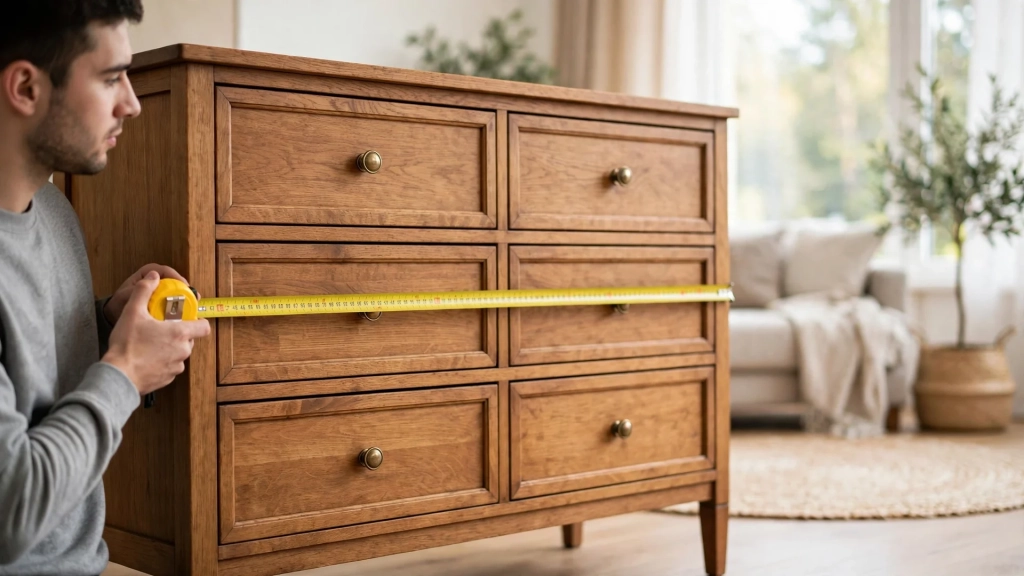
Average dresser width gives you six drawers across two columns, which suits most couples and anyone who stores folded clothes, t-shirts, and everyday essentials. Dresser depth measurements decide how much drawer space you truly get, because a dresser that looks slim from the side may still swallow stacks of jeans if the drawers run deep. Keep these three numbers in your head, width, height, and depth, and you already shop smarter than most people.
Standard Width, Height, and Depth in Real Numbers
Let us break each measurement down so you can picture it in your own room. Dresser width in inches usually falls between 48 and 60 for the classic horizontal style, which is the one most people imagine when they think of a dresser. A 48-inch piece feels neat and tidy, while a 60-inch piece makes a bold statement and offers serious storage for two people.
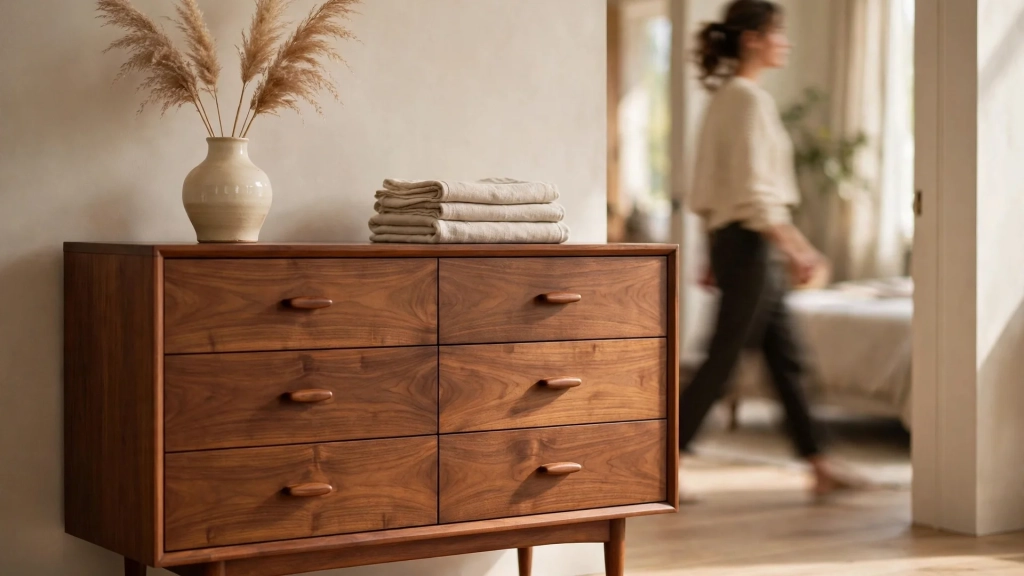
How tall is a dresser? Most stand 30 to 34 inches high, which puts the top at a natural resting height for your hands and a perfect spot for a mirror, a lamp, or a stack of books. Go much taller and the piece starts feeling like a chest of drawers, which is a different animal with its own rules. Dresser depth in inches lands between 16 and 20, and this number matters more than people think. Eighteen inches of depth fits folded jeans and sweaters comfortably, while anything under 16 can leave drawers too shallow for real storage.
Wide Dresser or Tall Dresser: Which One Fits Your Life
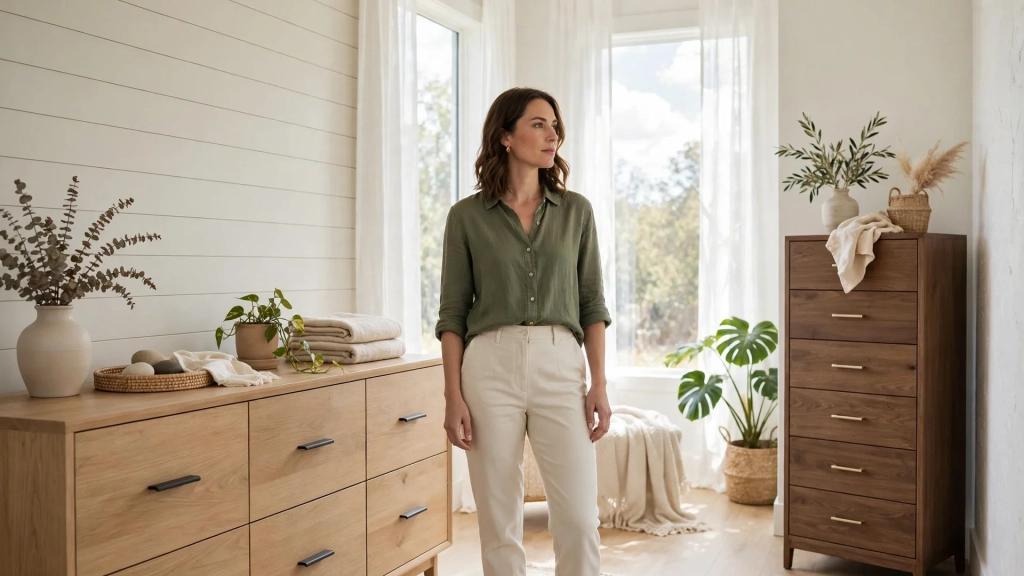
Bedrooms come in two shapes, long and narrow, and your dresser should match the shape you have. A wide dresser stretches along a long wall and keeps everything at arm’s reach, while a tall dresser, often called a chest of drawers, climbs upward and saves precious floor space. Both hold plenty, but they serve different rooms and different habits.
Standard Dresser Size in Inches and Centimeters
Numbers feel abstract until you see them both ways, so here is the translation. A typical piece runs 48 to 60 inches wide, which equals 122 to 152 centimeters, 30 to 34 inches tall, which equals 76 to 86 centimeters, and 16 to 20 inches deep, which equals 41 to 51 centimeters. Dresser measurements in centimeters help when you shop international brands or read European product pages, where centimeters rule.
A dresser dimensions chart on a retailer’s site often lists these same ranges, so compare any product page against these averages before you fall in love with a photo. If a listing shows 72 inches wide, you are looking at an oversized piece, and if it shows 30 inches wide, you are looking at a small accent dresser, not the everyday standard.
Picking Between a Wide Dresser and a Tall Chest
Choose a wide dresser when you have a long empty wall, a big bedroom, or a partner who needs equal drawer space. Choose a tall chest when the room is narrow, the ceilings are high, or floor space is the real luxury. Tall pieces draw the eye upward and make small rooms feel taller, which is a trick interior designers use constantly.
Think about your daily routine too. If you get dressed in a hurry, a wide dresser keeps every drawer visible at once. If you fold everything neatly and store off-season clothes up high, a tall chest rewards your organization. Match the shape to your life, not just your wall.
How to Measure Your Room Before You Spend a Dollar
Here is the part everyone skips, and it takes ten minutes. Grab a tape measure and find the wall where the dresser will live. Measure the open wall space, then subtract at least 30 inches of clearance in front for drawers to open and for you to stand comfortably. The American Society of Interior Designers recommends generous walkways around bedroom furniture, and that 30-inch rule keeps a room feeling open instead of crowded.
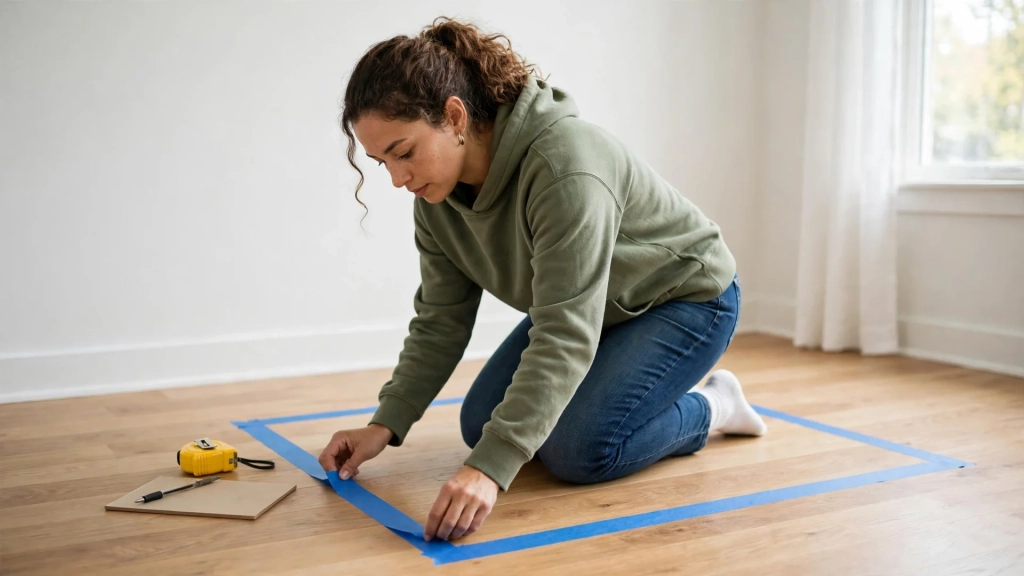
Now mark the footprint on your floor with painter’s tape. Tape a rectangle on the floor using the standard dresser size numbers you wrote down, then walk around it for a day. Open imaginary drawers, swing the bedroom door, and walk your normal path to the closet. Learning how to measure for a dresser this way feels silly for exactly one evening, and then you never wonder if it will fit. Bedroom furniture layout mistakes almost always come from guessing, and guessing is optional.
Matching Dresser Height to Your Bed and Nightstand
A dresser never stands alone, so it should get along with the neighbors. Most pieces in the standard dresser size lineup stand 30 to 34 inches tall, which pairs beautifully with typical mattress tops that sit 24 to 30 inches high. When the dresser top sits a few inches above the mattress, the room looks balanced and intentional, like someone planned it.
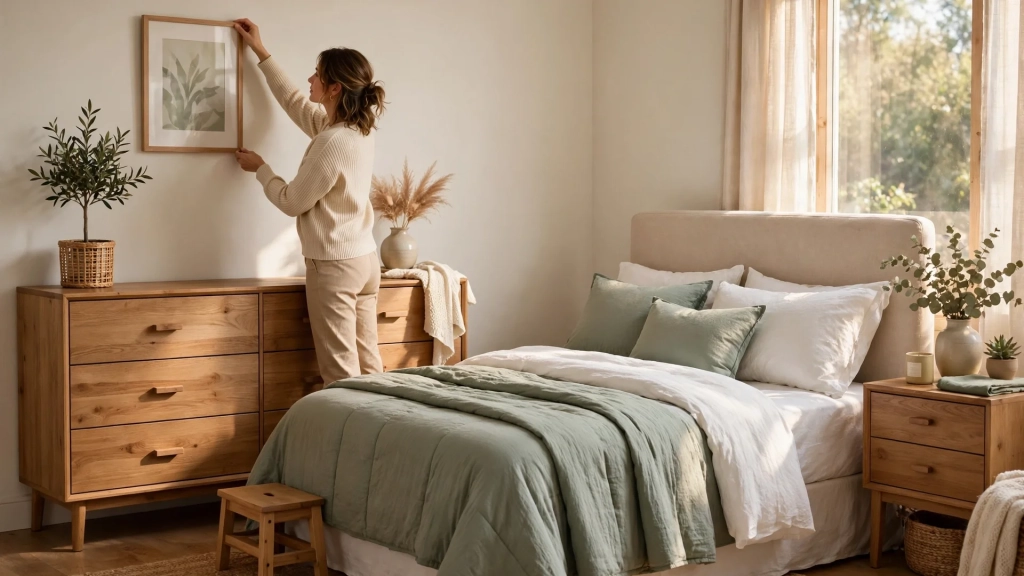
Dresser height versus bed height also affects what you hang above it. A mirror or a piece of art needs 6 to 8 inches of breathing room above the dresser top, so add the art’s height to the dresser’s height and check it against your ceiling. In rooms with low ceilings, a shorter 30-inch dresser keeps the wall from feeling crowded. If you place a dresser under a window, keep the top below the sill so sunlight still pours in and the curtains hang freely.
Drawer Depth and Storage: What the Numbers Really Mean
Width and height get all the attention, but depth decides how you actually live with the piece. Dresser drawer depth usually runs 14 to 17 inches of usable space inside, even when the outside measures 18 to 20 inches, because the frame and drawer slides eat a little room. That interior space fits folded jeans, stacked t-shirts, and rolled socks with room to spare.
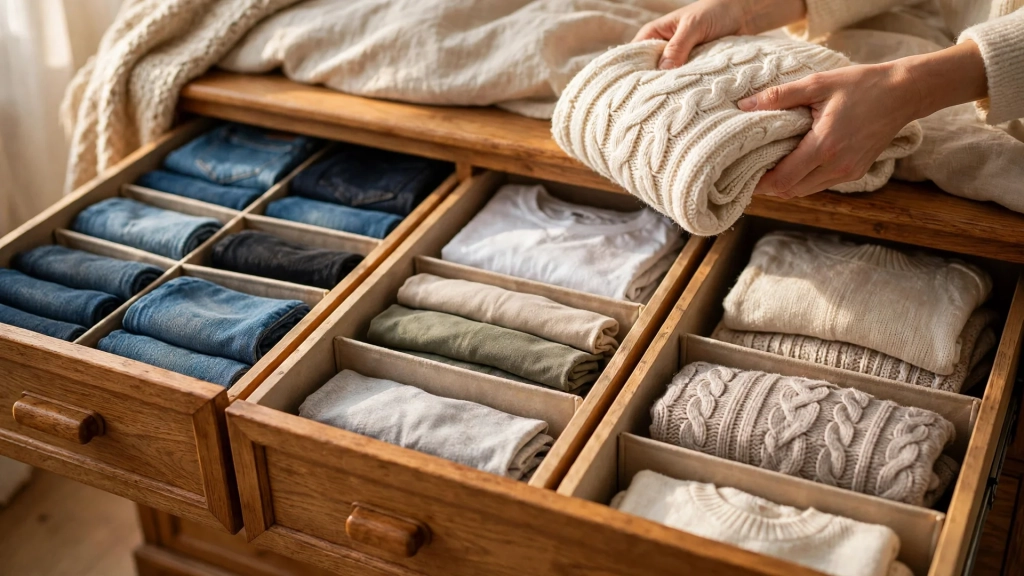
How deep are dresser drawers in the pieces you see online? Check the product specs, not the photos, because photos lie about depth. Deep drawers suit bulky sweaters and bedding, while shallower drawers keep socks and accessories from becoming a tangled mess. Add drawer dividers or small boxes, and even a standard piece can hold twice what it seems to hold, because organized drawers waste zero space.
Five Sizing Mistakes That Ruin a Bedroom Layout
Even careful shoppers stumble on the same five traps. The first is forgetting drawer clearance, because a dresser needs a full 30 inches in front of it, not just floor space for its body. The second is ignoring the bedroom door swing, since a door that clips the dresser corner will annoy you every single morning. The third is buying too tall for the spot under a window, which blocks light and looks wrong from day one.
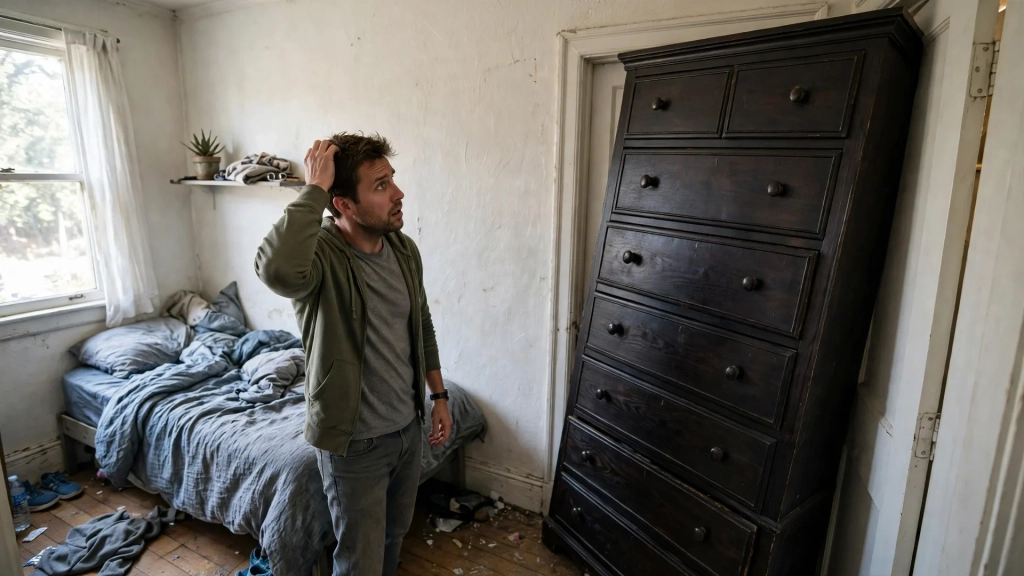
The fourth mistake happens before the dresser even reaches your room. If you buy at the top of the standard dresser size range without checking your hallway width, stairwell turns, and door frames, the delivery crew may not get it upstairs at all. Measure the whole path, not just the destination. The fifth mistake is wrong scale, because a massive 60-inch dresser overwhelms a small guest room, while a tiny 36-inch piece looks lost against a long master bedroom wall. Match the piece to the room’s volume.
Small Bedroom? Size Tricks That Still Work
Small rooms do not banish dressers, they just change the rules. A tall chest of drawers gives you six drawers on a footprint of only 36 by 18 inches, which slides into corners and beside doors where wide pieces never fit. The best dresser for a small bedroom often stands 48 inches tall or more, trading height for floor space you desperately need.
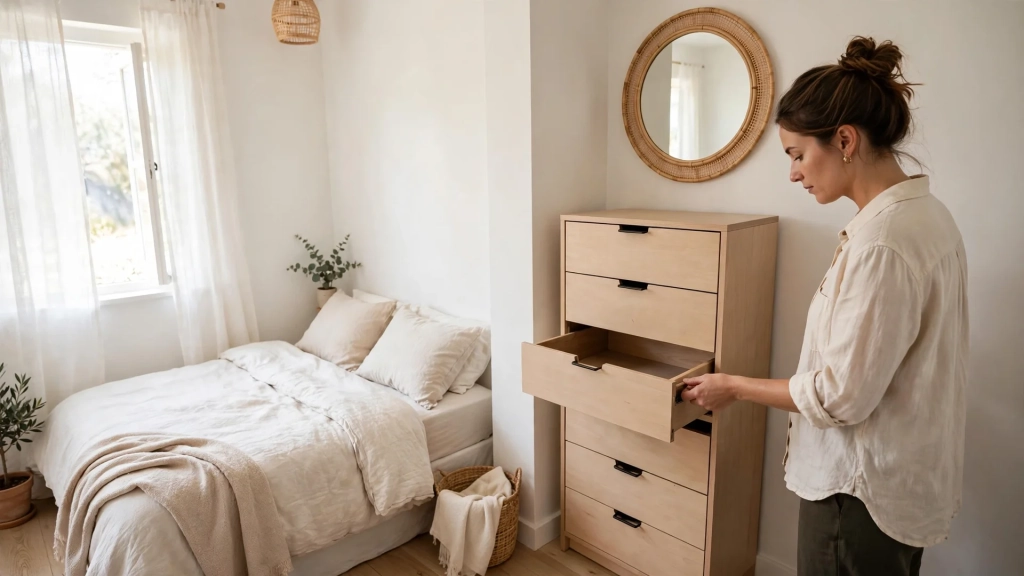
A narrow dresser with a depth of 14 to 16 inches hugs the wall and keeps walkways open, and a mirror hung above it doubles the sense of space. Light colors and legs that lift the piece off the floor also trick the eye, because visible floor underneath makes any room feel bigger. Small-space furniture works best when every inch earns its keep, so measure twice and enjoy a room that breathes.
Styling and Placing Your Dresser Like a Designer
Once the size is right, placement turns a storage box into a focal point. Center the dresser on the longest open wall when you can, and anchor it with a mirror or a large piece of art hung 6 to 8 inches above the top. A pair of matching lamps on the ends creates symmetry that feels calm and expensive, while a tray in the middle corrals keys, perfume, and the little things that migrate there.
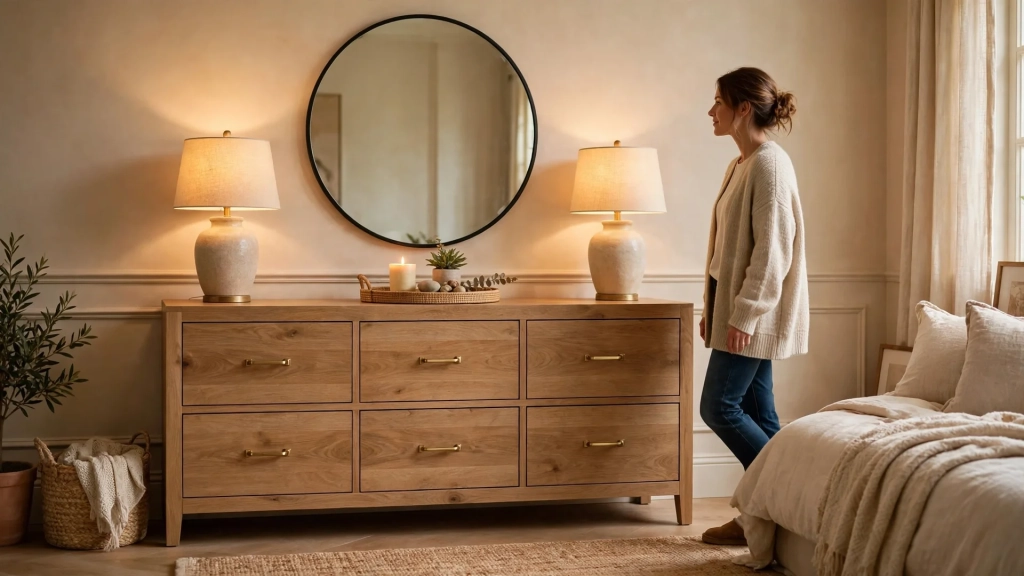
Leave breathing room on both sides, at least a few inches, so the piece does not look wedged in. Style the top in odd numbers, three or five objects, and vary the heights so your eye travels across the surface. A stack of books, a small plant, and a candle beat a crowded row of frames every time. When the dresser fits the room and the styling fits the dresser, the whole bedroom feels finished.
You now know the standard dresser size, how to measure your room, and how to dodge the five mistakes that trap most shoppers. Start with the tape measure, trust the numbers, and pick the piece that serves your space and your habits. The right dresser does not just store your clothes, it makes the whole bedroom feel like it was designed on purpose, and that feeling is worth ten careful minutes with a tape measure.