

A home should feel calm the moment you walk in. In a world full of noise, screens, and constant movement, people now look for spaces that offer peace and balance. That is why the Neutral Home Aesthetic continues to grow in popularity across modern interior design.
Neutral interiors rely on soft colors, natural materials, and clean layouts. Instead of bold patterns or heavy decoration, the focus shifts toward texture, light, and subtle detail. This design approach creates a space that feels open, warm, and timeless an effect often achieved through modern bedroom makeover ideas that emphasize calm and comfort.
Design philosophies like Wabi-Sabi and Scandinavian minimalism influence this style strongly. Both emphasize simplicity, imperfection, and connection to natural elements.
Interior experts from Architectural Digest often highlight neutral interiors because they adapt easily to changing trends. A calm base allows homeowners to update decor without redesigning the entire space.
This guide explores ten thoughtful ways to build a Neutral Home Aesthetic in 2026 that feels modern, comfortable, and deeply personal.
Building the Foundation of a Neutral Home Aesthetic


4
Every design starts with a strong foundation. In neutral interiors, that foundation comes from color and layout.
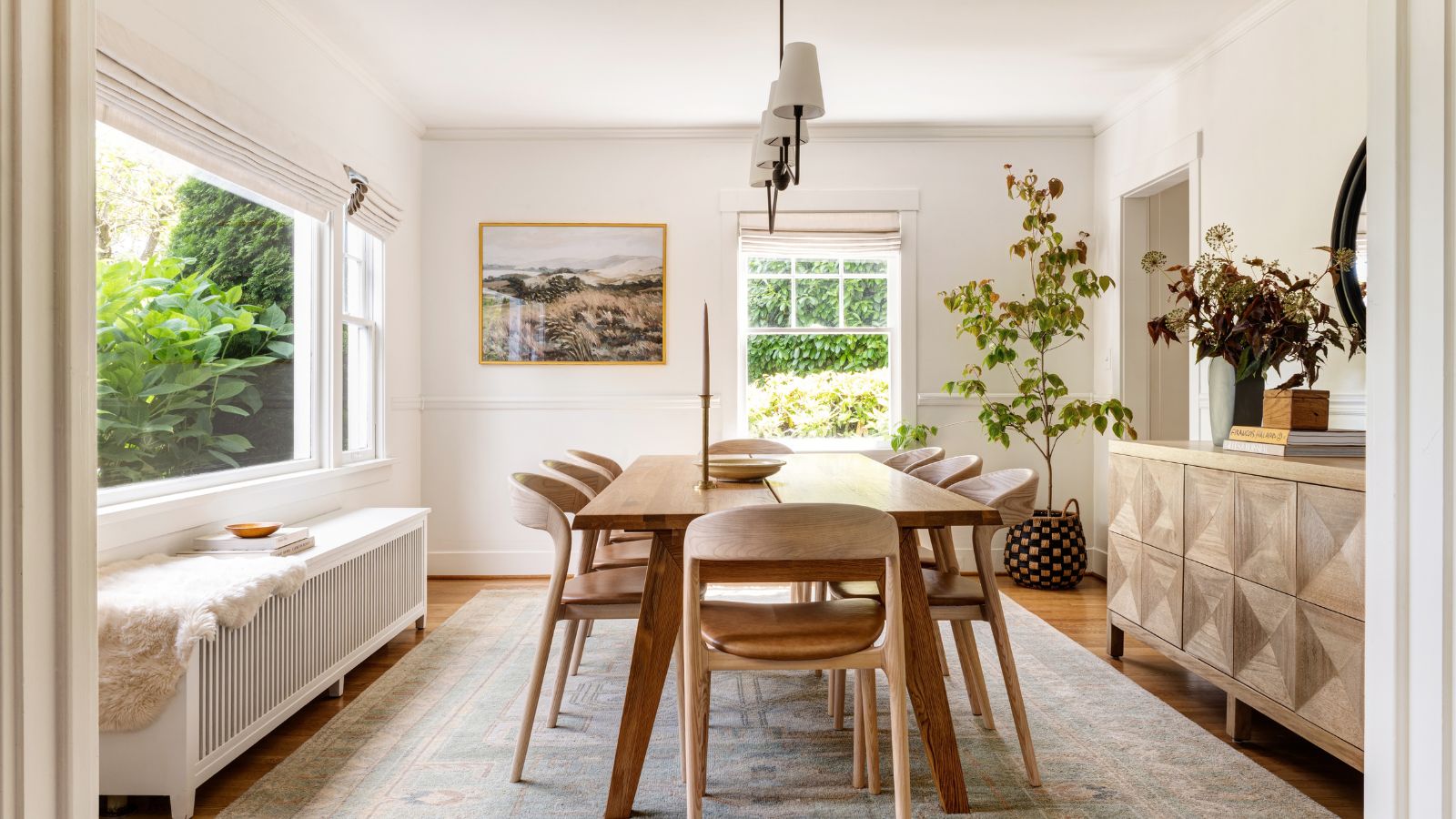
Walls often feature warm white, soft beige, or light gray tones. These shades reflect natural light and create an airy feeling. Wooden flooring or light oak finishes add warmth and prevent the space from feeling cold.
A well planned Neutral Home Aesthetic also depends on open layouts. Clear walking paths, uncluttered surfaces, and balanced furniture placement help the room feel larger.
Why Simplicity Works
Design organizations such as American Society of Interior Designers emphasize that simple layouts reduce visual stress. When fewer objects compete for attention, the mind relaxes.
This principle forms the base of all modern neutral interiors.
Layering Textures to Add Depth Without Color

4
A neutral palette may appear simple, yet texture brings it to life. Without texture, a room may feel flat. With layered materials, the space gains warmth and character.
Many designers build a Neutral Home Aesthetic by combining linen, cotton, wool, and wood.
A soft linen sofa, a wool throw blanket, and a woven rug can create visual interest without adding bold color. Ceramic vases, stone surfaces, and handmade decor pieces further enrich the space.
The Art of Subtle Contrast
Even within neutral tones, contrast matters. Light fabrics paired with darker wood or soft beige mixed with warm cream create depth.
Interior stylists often focus on these subtle details because they define the overall atmosphere.
Choosing Furniture That Complements a Neutral Home Aesthetic


4
Furniture shapes how a room feels and functions. In neutral interiors, designers select pieces that blend simplicity with comfort.
A successful Neutral Home Aesthetic often features clean lines, soft curves, and natural materials. Wooden tables, upholstered sofas in beige tones, and minimal shelving create balance.
Brands like IKEA and Muji have influenced global design trends with simple, functional furniture that fits neutral spaces.
Keeping the Layout Balanced
Furniture should never overwhelm the room. Designers leave space between pieces to allow movement and light flow.
This careful arrangement supports both comfort and visual harmony.
Lighting That Enhances Neutral Spaces


4
Lighting plays a central role in how neutral interiors feel. Bright white light can make a room feel harsh. Warm lighting creates a soft and welcoming environment.
A well designed Neutral Home Aesthetic uses layered lighting.
Natural daylight remains the most important source. Large windows or sheer curtains allow light to flow freely. In the evening, warm LED lights create a relaxed mood.
Research from Cornell University shows that natural light improves mood and overall well being in indoor spaces.
Combining Function and Atmosphere
Table lamps, floor lamps, and pendant lights work together to create depth. Lighting highlights textures and enhances the beauty of neutral tones.
Bringing Nature Indoors

4
Nature adds life to neutral interiors. Without it, the space may feel too controlled or static.
Many homeowners strengthen their Neutral Home Aesthetic by adding plants and organic elements.
Indoor plants such as snake plants or olive trees introduce soft green tones that complement neutral colors. Wooden decor, stone accents, and clay pottery enhance the natural feel.
Why Nature Matters
Biophilic design, a concept studied by organizations like International WELL Building Institute, shows that natural elements improve mental well being and comfort.
This connection to nature makes neutral interiors feel more alive and welcoming.
Styling Decor With Purpose and Simplicity


4
Decoration completes the look of a home, but restraint remains important. Too many objects can disrupt the calm environment.
A refined Neutral Home Aesthetic focuses on meaningful decor.
A single framed artwork, a ceramic vase, or a stack of books can add personality without clutter. Designers often recommend choosing items that reflect personal stories or experiences.
The Beauty of Less
Interior publications like Elle Decor highlight homes where a few carefully selected pieces create strong visual impact.
When decoration remains intentional, the room feels both stylish and peaceful.
Conclusion
Neutral interiors continue to shape modern living in 2026. They offer a calm escape from busy routines and constant digital noise.
The most successful Neutral Home Aesthetic designs combine soft colors, natural materials, thoughtful lighting, and minimal decor. Each element works together to create a space that feels balanced and inviting.
This style does not rely on trends. It focuses on comfort, simplicity, and timeless design.
A quiet room filled with natural light, soft textures, and meaningful objects often provides everything a home truly needs.