Contemporary Living dinning spaces 2026 That Redefine Modern Comfort and Style

The way we design our homes has changed. Families no longer want rooms that feel closed or formal. They want open floor plans, natural light, and flexible layouts that match daily life. In 2026, design moves toward spaces that feel calm, useful, and deeply personal.
Contemporary living and dining spaces now serve as the heart of the home. People cook, work, host guests, and relax in the same area. Designers respond with clean lines, modern furniture, layered lighting, and smart storage. The goal stays simple: create comfort without clutter and add beauty without excess. This multifunctional approach reflects the broader vision behind home interior trends 2026 that will transform the way you live.
This guide explains how Contemporary Living dinning spaces evolve in 2026, what trends matter, and how you can design a space that looks current and feels timeless.
The Evolution of Contemporary Living dinning spaces in Modern Homes


4
Over the past decade, open concept interiors replaced boxed rooms. Walls came down. Kitchens opened to lounges. Dining areas moved closer to sofas. Architects and interior designers embraced spatial flow, sight lines, and multifunctional zones.
Publications like Architectural Digest and Dezeen highlight how urban apartments and suburban homes now prioritize flexible interiors. Instead of formal dining rooms used twice a year, homeowners prefer connected spaces that support daily meals and social gatherings.
Contemporary Living dinning spaces reflect this shift. They combine texture, proportion, and smart zoning. A sectional sofa defines the lounge area. A statement dining table anchors the room. Area rugs create invisible borders. Pendant lighting marks the dining zone. Every design choice shapes how people move and interact.
In cities like New York, London, and Dubai, compact homes demand smarter planning. Designers use sliding glass partitions, built in shelving, and modular furniture to create separation without blocking light. The result feels open yet organized.
Color Palettes and Materials That Define Contemporary Living dinning spaces


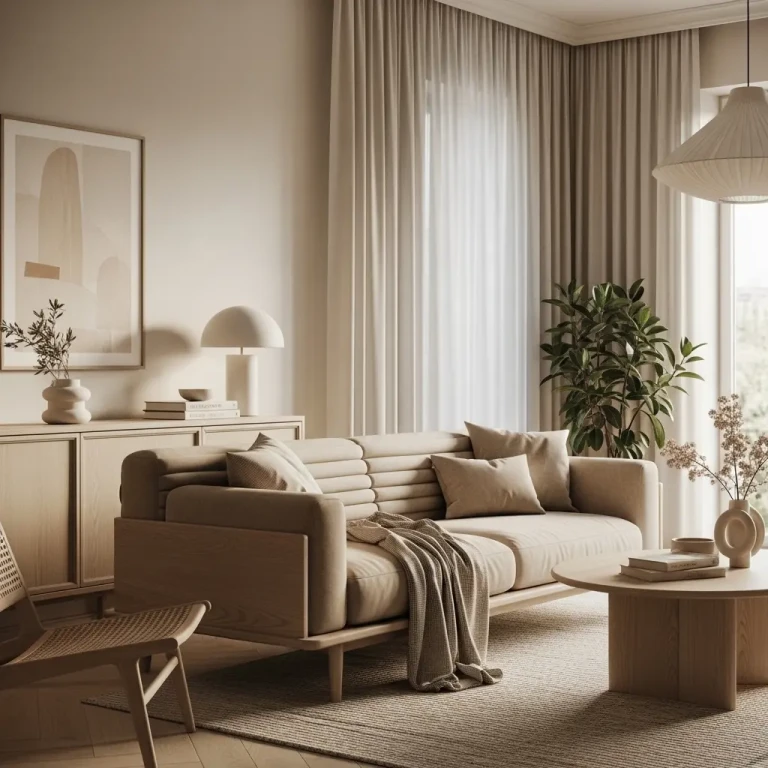
Color drives emotion. In 2026, neutral tones dominate. Warm beige, soft gray, creamy white, and muted olive create calm foundations. Designers pair these shades with natural wood, stone surfaces, and brushed metal accents.
Contemporary Living dinning spaces avoid harsh contrasts. Instead, they layer materials. A walnut dining table sits on a woven rug. A linen sofa faces a marble coffee table. Matte black light fixtures add structure without overpowering the room.
Sustainable materials also shape design decisions. FSC certified wood, recycled glass, and low VOC paint improve indoor air quality. The U.S. Green Building Council promotes eco conscious construction, and homeowners now demand environmentally responsible interiors.
Texture plays a key role. Fluted wall panels, limewash finishes, and boucle upholstery add depth. These details prevent minimalist spaces from feeling cold. A balanced mix of smooth and rough surfaces makes the room feel alive.
Smart Furniture Layouts for Contemporary Living dinning spaces


4
Layout determines function. Poor arrangement creates clutter. Smart planning creates harmony.
Contemporary Living dinning spaces often center around a focal point. This might be a fireplace, a media wall, or large windows. Designers align the sofa to frame that feature. Behind it, a dining table creates a natural transition.
Round dining tables work well in compact homes. They improve traffic flow and encourage conversation. Rectangular tables suit larger rooms and formal hosting. Modular sofas allow flexibility. Homeowners can rearrange sections for movie nights or dinner parties.
Interior stylists recommend keeping at least three feet of walking space between major furniture pieces. This improves circulation and comfort. Storage solutions like sideboards and built in cabinets reduce visual noise.
Lighting supports the layout. Recessed ceiling lights provide general illumination. A chandelier or sculptural pendant defines the dining area. Floor lamps add warmth to the seating zone. Smart lighting systems from brands like Philips Hue allow users to adjust brightness and color temperature throughout the day.
Technology Integration in Contemporary Living dinning spaces

4
Technology now blends into design instead of dominating it. Homeowners want seamless integration.
Contemporary Living dinning spaces include hidden cable management, built in speakers, and slim smart televisions mounted on textured walls. Voice assistants control lighting, temperature, and window shades. Wireless charging tables reduce visible cords.
Designers conceal routers and devices inside custom cabinetry. Media walls feature acoustic panels that improve sound quality while enhancing aesthetics. These solutions keep the room clean and organized.
Energy efficient appliances and LED systems reduce electricity use. Smart thermostats learn daily habits and adjust settings automatically. This approach supports both comfort and sustainability.
Technology should enhance daily life, not distract from it. In 2026, the best interiors hide complexity behind simple design.
Personal Style and Art in Contemporary Living dinning spaces


A modern interior should never feel generic. Personality gives depth.
Contemporary Living dinning spaces often feature oversized abstract art, curated gallery walls, and sculptural decor pieces. Designers encourage clients to mix modern design with meaningful objects. A handmade ceramic vase. A travel photograph. A vintage chair restored with new fabric.
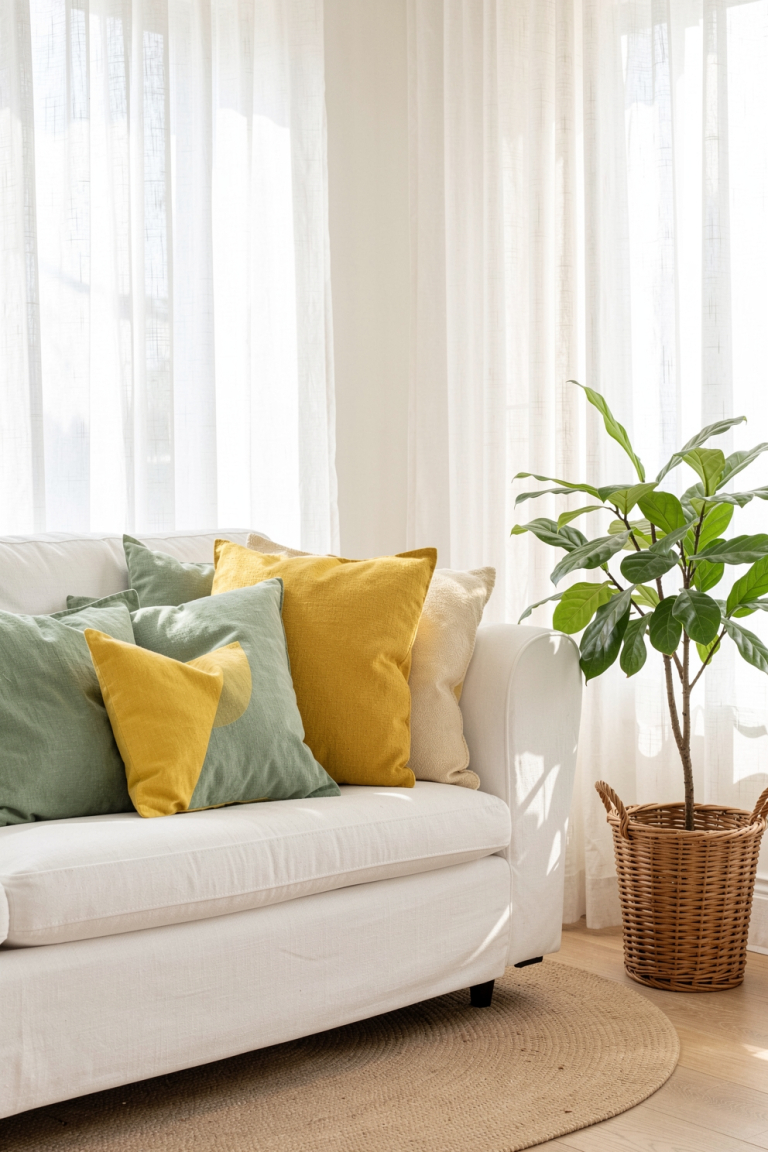
Indoor plants soften clean lines. Fiddle leaf figs, olive trees, and snake plants improve air quality and add organic movement. Biophilic design principles show that natural elements reduce stress and improve focus.
Layered textiles create comfort. Throw pillows, area rugs, and upholstered chairs introduce subtle patterns. Designers balance symmetry with creative tension. A bold painting above a sleek console table draws attention without overwhelming the room.
When art reflects the homeowner’s story, the space feels authentic.
Small Space Solutions for Contemporary Living dinning spaces

4
Not every home offers wide open square footage. Urban apartments demand smart solutions.
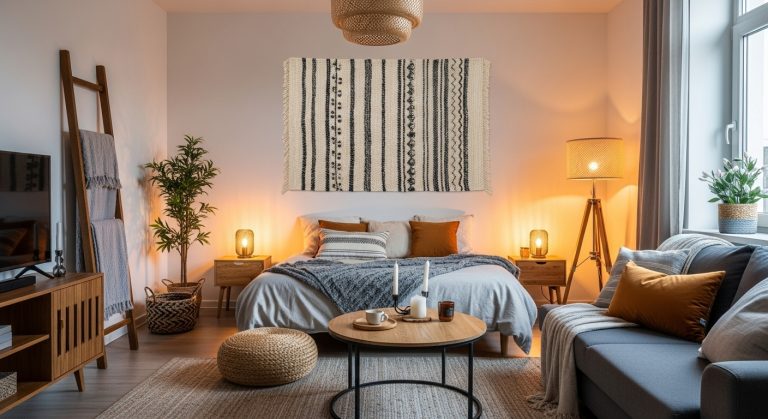
Contemporary Living dinning spaces in small homes rely on scale and proportion. Slim leg furniture creates visual lightness. Foldable dining tables expand when needed. Wall mounted shelves free up floor space.
Mirrors reflect light and make rooms feel larger. Neutral color schemes prevent visual clutter. Multi functional furniture such as storage ottomans and extendable tables increases usability.
Interior designers often use vertical space to maximize storage. Tall cabinets draw the eye upward. This trick creates the illusion of height. Even a compact room can feel elegant with thoughtful planning.
How to Design Timeless Contemporary Living dinning spaces


Trends come and go. Good design lasts.
Start with quality materials. Invest in a durable dining table, a comfortable sofa, and proper lighting. Choose neutral foundations and add personality through decor. Keep pathways clear. Maintain balance between function and beauty.
Study proportion and scale. Oversized furniture overwhelms small rooms. Tiny pieces look lost in large spaces. Harmony depends on visual weight.
Contemporary Living dinning spaces succeed when they support daily rituals. Morning coffee at the dining table. Evening conversations on the sofa. Weekend dinners with friends. Design should enhance these moments.
In 2026, modern interiors focus on comfort, sustainability, and smart technology. Yet the core principle remains unchanged. A home must feel welcoming.
When you design with intention, your space will not just follow trends. It will tell your story with clarity and confidence.