

In 2026, homes feel more personal than ever before. Design no longer focuses only on appearance. It centers on comfort, wellness, and long term value. The newest Home Interior Trends reflect how people actually live each day.
Families want rooms that feel calm after busy schedules. Remote workers need functional spaces that still feel warm, while urban homeowners prioritize smart storage and flexible layouts. Designers respond with natural materials, layered lighting, and thoughtful planning that balances beauty with purpose. This philosophy is perfectly reflected in cozy minimalist interior 2026, where warmth meets simplicity, a trend that blends comfort with intentional design.
This year does not chase loud statements. It celebrates refined details and meaningful choices.
Why Home Interior Trends Are Moving Toward Warm Minimalism


One of the strongest Home Interior Trends in 2026 centers on warm minimalism. Clean lines remain important, yet cold white rooms fade away. Designers now introduce warmth through beige tones, soft clay shades, and natural oak furniture.
Environmental psychology research shows that neutral palettes reduce stress and improve focus. Homes designed with warm tones feel grounded. Linen curtains, textured rugs, and matte finishes create depth without clutter.
People no longer want empty spaces that feel unfinished. They want calm rooms that still feel lived in.
Emotional Comfort in Home Interior Trends

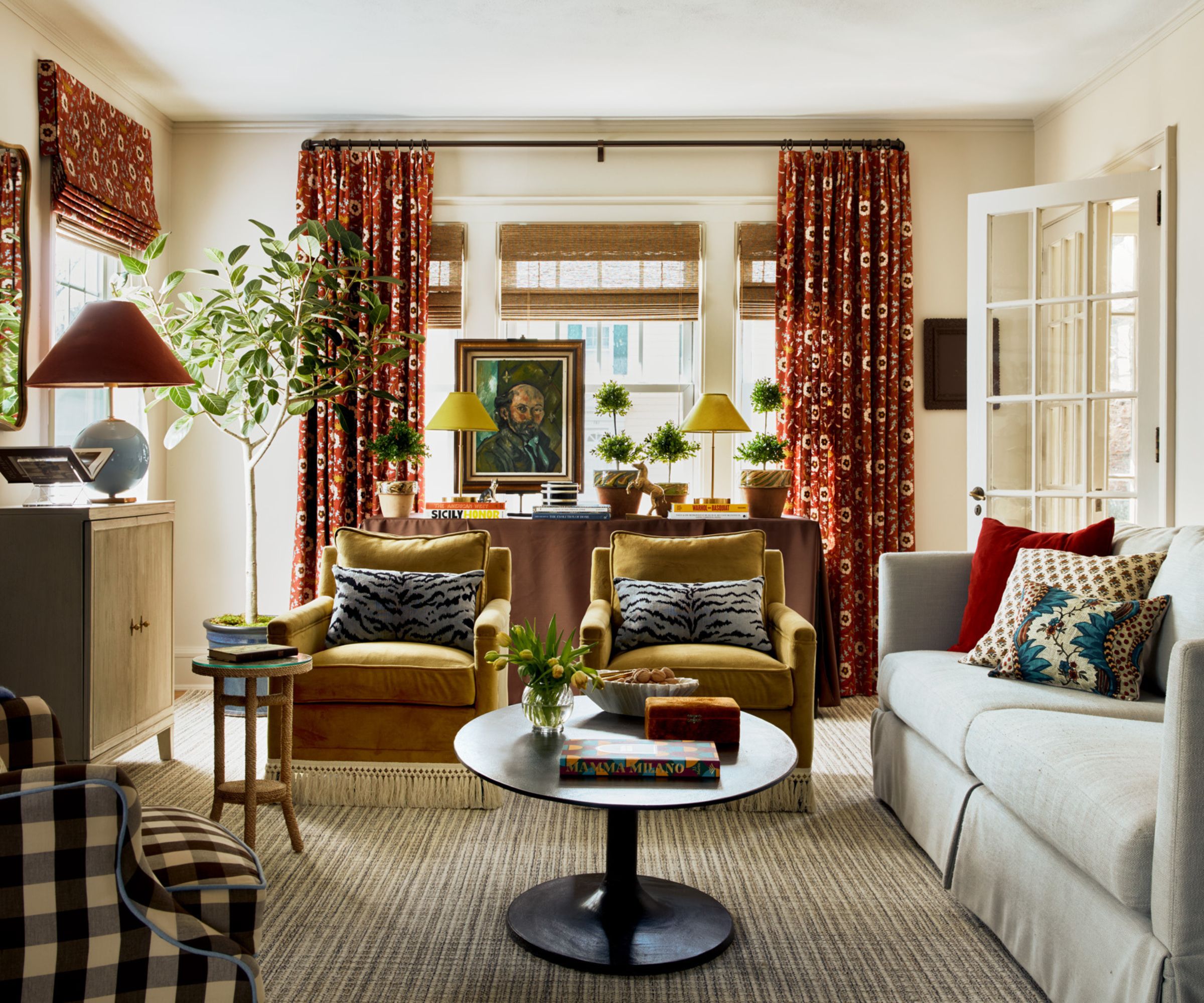
Emotional comfort plays a major role in modern Home Interior Trends. Designers layer lighting instead of relying on one ceiling fixture. Floor lamps, table lamps, and subtle wall sconces build atmosphere.
Deep seating encourages conversation. Cotton throws and woven cushions add tactile warmth. These details transform simple rooms into welcoming spaces that invite people to stay longer.
Natural Materials Shaping Home Interior Trends


Sustainability influences current Home Interior Trends strongly. Solid wood furniture replaces synthetic materials. Stone countertops, marble accents, and clay ceramics appear more often.
Designers choose durable finishes that age well. Instead of frequent renovations, homeowners invest in quality pieces that last for decades. This shift reflects environmental awareness and financial practicality.
Linen upholstery, wool rugs, and handcrafted pottery create authenticity. Natural textures add character without overwhelming the room.
Earth Tones and Organic Palettes
Warm earth tones dominate color choices. Olive green, muted terracotta, dusty blue, and sand beige create softness. These shades connect interior spaces with nature.
Accent colors appear carefully. A rust colored cushion. A sage painted accent wall. A ceramic vase in clay tones. Subtle contrast keeps rooms interesting while preserving calm balance.
Smart Layouts Defining Home Interior Trends


Function shapes the direction of Home Interior Trends in 2026. Open layouts remain popular, yet designers define zones more clearly. Rugs separate seating areas. Shelving units divide workspaces without blocking light.
Furniture placement focuses on flow. Clear pathways support movement. Proportion becomes essential. Oversized sectionals disappear in smaller homes, replaced by balanced modular seating.
Flexible spaces support changing needs. A dining table doubles as a workspace. A guest room transforms into a home office. Modern design adapts instead of restricting.
Storage Solutions Within Home Interior Trends
Clutter disrupts calm environments. That is why storage innovation supports modern Home Interior Trends. Built in cabinets hide everyday items. Floating shelves maintain openness while offering functionality.
Homeowners now prefer fewer decorative objects. They rotate accessories seasonally instead of displaying everything at once. This simple practice keeps rooms fresh and organized.
Lighting Innovations in Home Interior Trends


Lighting transforms atmosphere more than any other design element. In 2026, Home Interior Trends prioritize layered illumination. Ambient lighting sets the tone. Task lighting supports reading and work. Accent lighting highlights art or architectural details.
Warm LED bulbs replace cool white tones. Dimmers allow control throughout the day. Morning brightness energizes. Evening softness relaxes.
Statement pendants add personality without overwhelming minimal spaces. Designers treat lighting as functional art.
Wellness Focused Home Interior Trends


Wellness remains central to Home Interior Trends in 2026. Indoor plants improve air quality and introduce movement. Natural daylight supports healthy sleep cycles.
Biophilic design principles connect indoor spaces with natural elements. Wood textures, stone surfaces, and greenery create harmony. Research in environmental health supports the idea that calm surroundings improve emotional well being.
Quiet corners for reading or reflection appear more often. Homes now support mental clarity, not just social gatherings.
Texture and Sensory Balance
Texture adds comfort without visual clutter. Soft rugs underfoot. Smooth ceramic surfaces on tables. Matte painted walls that absorb light gently.
Designers avoid glossy finishes and harsh contrasts. Instead, they create layered sensory experiences that feel balanced and inviting.
Timeless Appeal of Modern Home Interior Trends
Trends evolve each year, yet certain principles remain strong. The best Home Interior Trends in 2026 emphasize simplicity, durability, and warmth. These values ensure longevity.
A neutral foundation allows updates without major expense. Changing cushions, artwork, or rugs refreshes a room quickly. High quality furniture maintains its beauty over time.
Homes designed with intention never feel outdated. They adapt gracefully.
Final Thoughts on Home Interior Trends in 2026
In 2026, Home Interior Trends reflect how people truly want to live. They prioritize calm, sustainability, and functionality. Warm minimalism, natural materials, layered lighting, and smart layouts shape the future of interior design.
Good design does not shout for attention. It supports daily routines quietly. It creates comfort without clutter. When a home feels balanced and welcoming, it fulfill its true purpose.