

Homes in 2026 no longer focus only on technology or appearance. People now want spaces that feel balanced, personal, and easy to live in. Stylish Living Spaces reflect this change by blending comfort, function, and identity into one clear design language. A home today tells a story about the people who live there. It supports daily routines, emotional health, and long-term comfort.
This shift comes from lifestyle changes. Remote work, smaller homes, and the desire for calm environments have reshaped how interiors look and feel. Design now responds to real life instead of trends alone, extending beyond indoor spaces to outdoor relaxation areas f you’re planning to upgrade your outdoor space, explore these backyard jacuzzi outdoor ideas that turn your space into a private retreat.
Why Stylish Living Spaces Matter More Than Ever


In 2026, Stylish Living Spaces focus on intention. Every room serves a purpose without feeling rigid. Designers think about movement, light, and how people interact with their surroundings. Neutral palettes remain popular, but warmth leads the way through textures, soft finishes, and natural materials.
Design research from organizations like the American Society of Interior Designers shows that people feel calmer in spaces that avoid visual clutter. Homes now support wellness rather than impress guests.
Emotional Comfort Inside Stylish Living Spaces


Emotional comfort defines Stylish Living Spaces today. Rounded furniture edges, layered lighting, and inviting fabrics replace sharp forms. Rooms feel calm during quiet moments and adaptable during busy ones.
Designers pay attention to how a space feels in the evening, during rest, or while working. This emotional awareness separates modern homes from older design approaches.
Materials and Textures That Shape Stylish Living Spaces
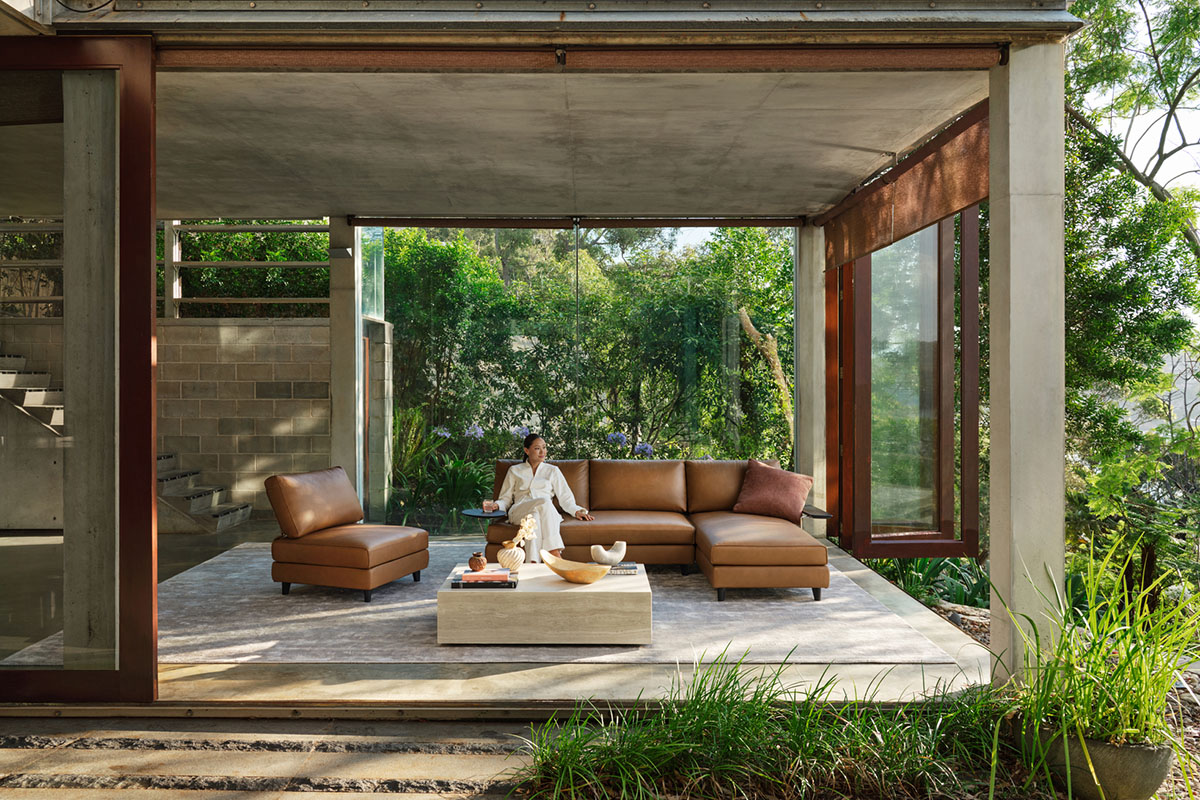
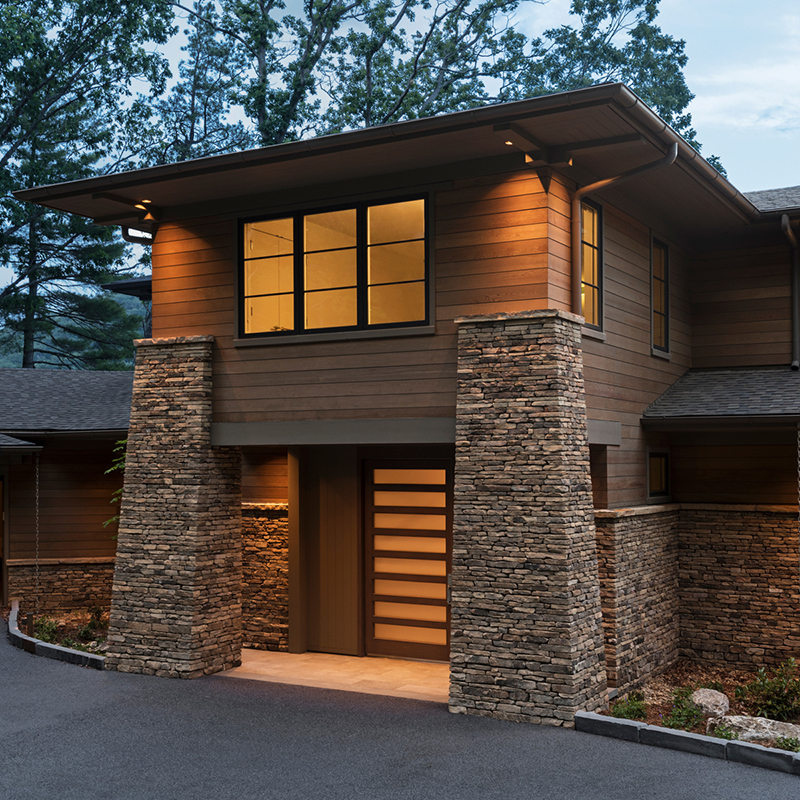

The foundation of Stylish Living Spaces lies in materials that age well. Wood grains remain visible. Stone looks natural rather than polished. Matte finishes replace shine.
Sustainability influences many choices. Homeowners value durable surfaces, recycled materials, and long-lasting finishes. According to design sustainability reports, these choices improve both aesthetics and longevity.
Color Psychology in Stylish Living Spaces


Color supports mood inside Stylish Living Spaces. Soft whites, warm beiges, and muted earth tones dominate interiors. Accent colors appear through art or textiles instead of walls.
This approach keeps rooms flexible. As tastes change, spaces adapt without major updates.
Furniture Design Supporting Stylish Living Spaces


Furniture anchors Stylish Living Spaces by serving real needs. Pieces feel comfortable rather than decorative. Sofas encourage long sitting. Tables support work and gathering.
Designers focus on scale and proportion. Furniture fits the room without overpowering it. This balance creates harmony and ease.
Smart Technology Inside Stylish Living Spaces


Technology blends quietly into Stylish Living Spaces. Smart lighting adjusts automatically. Climate systems remain hidden. Charging stations integrate into furniture.
Designers treat technology as support, not a feature. This keeps interiors calm and future-ready.
How Stylish Living Spaces Adapt to Smaller Homes


Smaller homes benefit greatly from Stylish Living Spaces. Open layouts reduce visual clutter. Built-in storage replaces bulky furniture. Light colors expand perceived space.
Designers focus on flexibility. Rooms shift function throughout the day without effort.
Why Stylish Living Spaces Remain Timeless

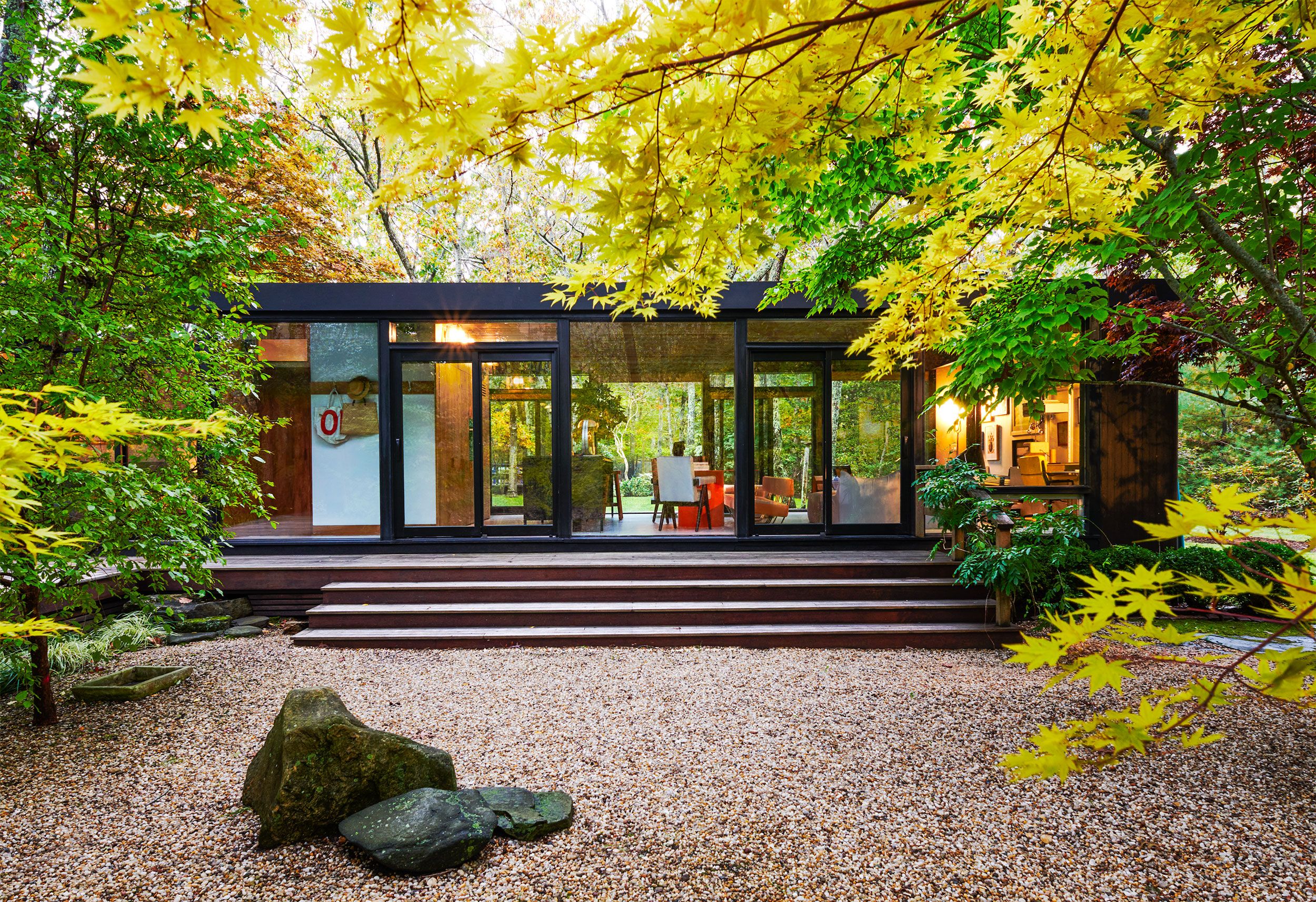

The lasting appeal of Stylish Living Spaces comes from restraint. Trends change, but balance stays relevant. Clean structure allows personal style to evolve without conflict.
Homes designed this way remain comfortable years later, adapting to life changes smoothly.
Final Thoughts on Living Well in 2026


In 2026, Stylish Living Spaces reflect clarity, comfort, and purpose. They support real life rather than performance. Through thoughtful materials, soft forms, and calm layouts, modern homes feel welcoming and honest. Good design does not shout. It quietly improves everyday living.