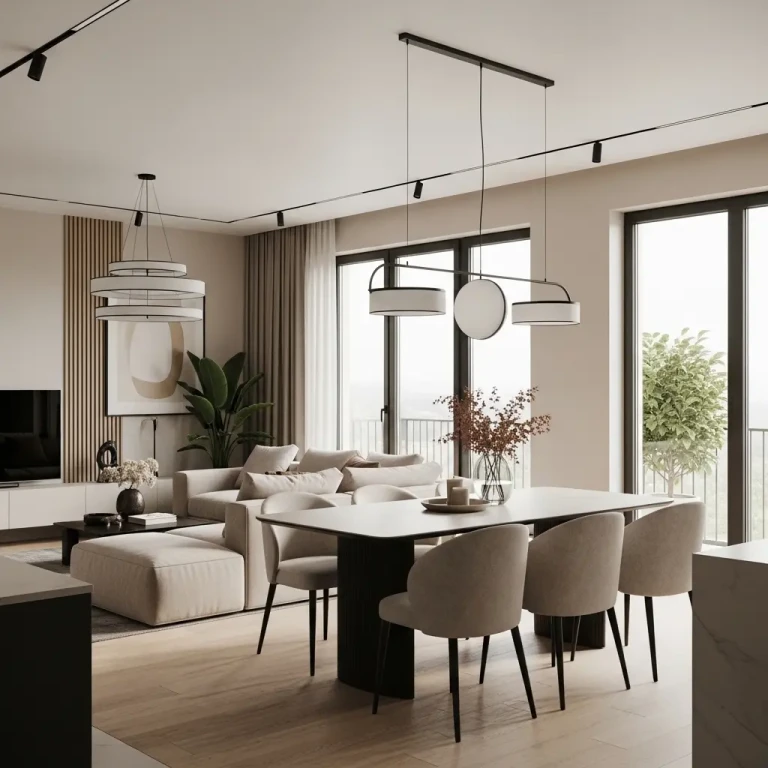
How Modern Interior Design Shapes Homes in 2026 and Beyond

Homes are changing fast. People no longer decorate only for looks. They design for comfort, balance, and daily life. In 2026, Modern interior design reflects how people live, work, and relax under one roof. Clean lines still matter, but warmth now leads every decision. Design feels personal, calm, and purposeful rather than cold or showy
Modern lifestyle changes such as remote work, smaller homes, and increased attention to mental wellness are reshaping interior design. Designers now focus on creating open and calming spaces, frequently using mirrors as reflective décor elements .If you’re updating your bedroom, explore these mirror decoration ideas for bedroom to instantly brighten your space
Why Modern Interior Design Feels Different in 2026


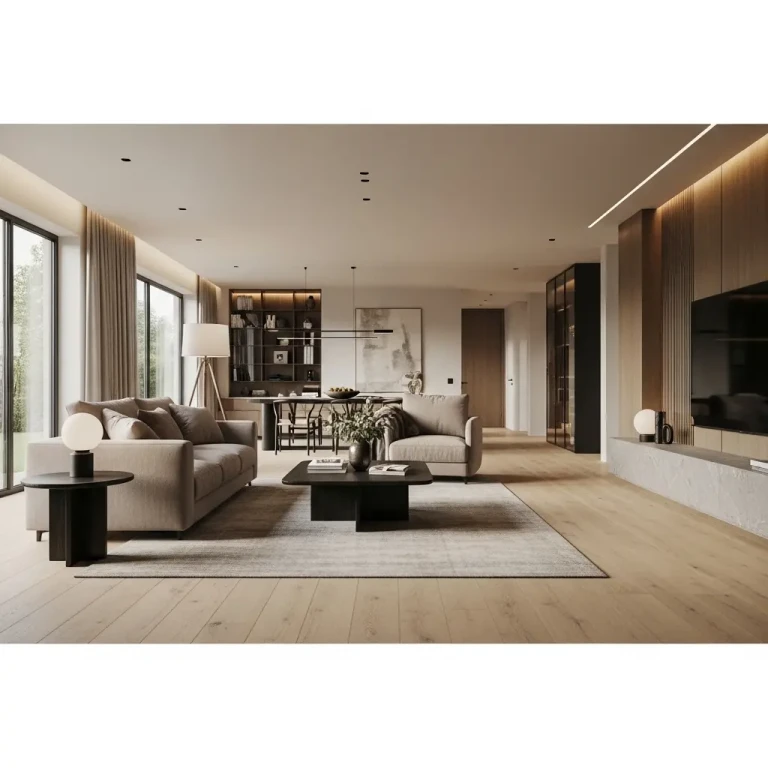
The heart of Modern interior design in 2026 lies in intention. Rooms serve clear purposes without excess. Designers focus on flow, light, and texture instead of decoration alone. Neutral palettes dominate, but they now include warm beige, clay, and soft wood tones.
Natural light plays a major role. Large windows, sheer curtains, and open layouts create visual calm. According to reports from design institutions such as the American Society of Interior Designers, homeowners prefer spaces that reduce stress and support daily routines.
Emotional Comfort in Modern Interior Design Spaces

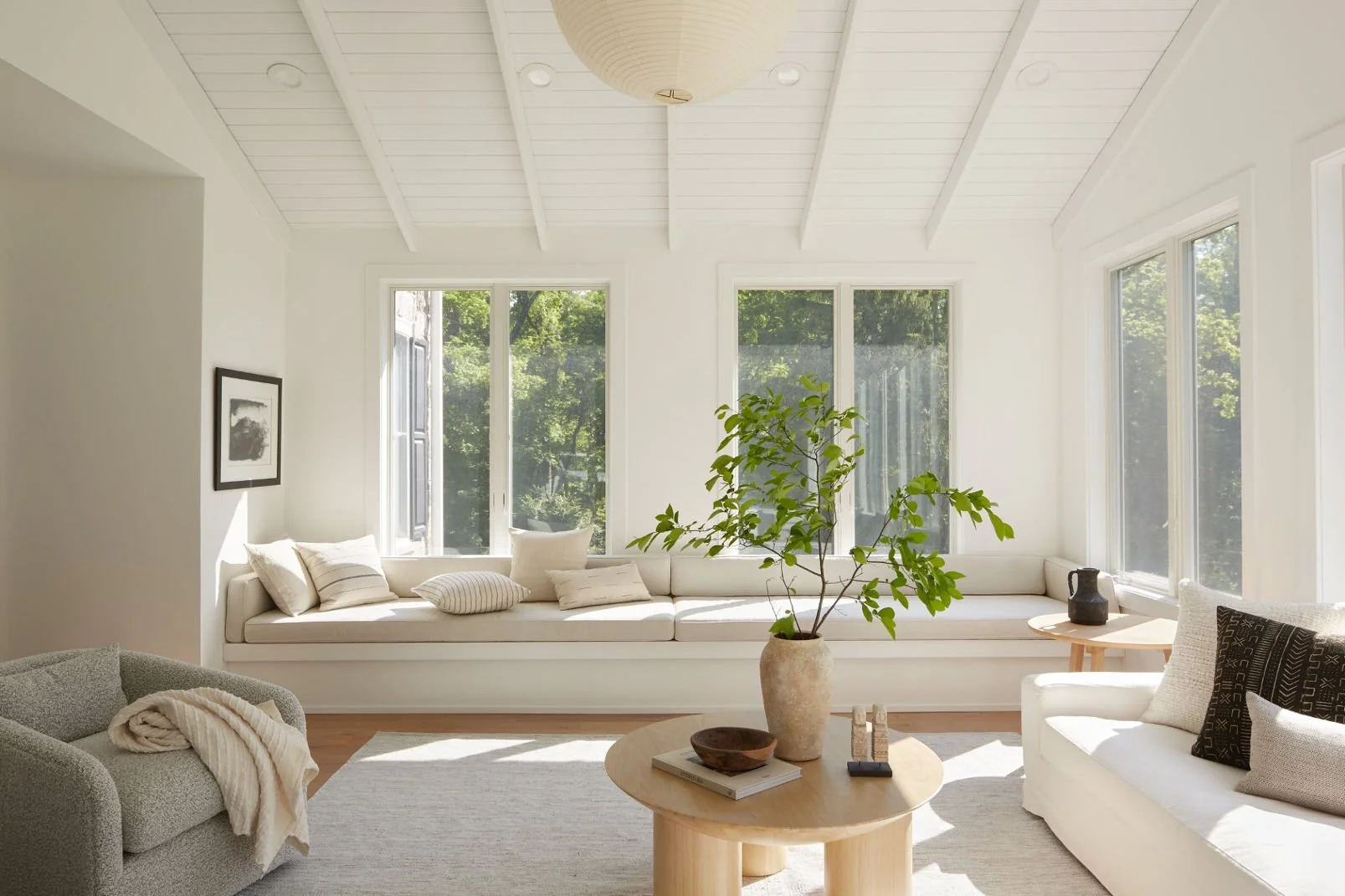

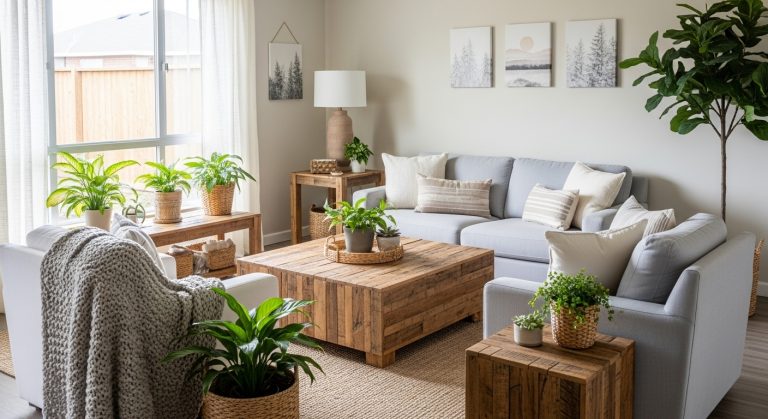
Emotional comfort defines Modern interior design today. Furniture feels inviting rather than sharp. Rounded edges replace hard corners. Textiles like linen, wool, and cotton soften the space.
Designers think about how a room feels at night, in silence, or during rest. Lighting shifts from bright overhead fixtures to layered options that include wall lights and floor lamps. This emotional approach makes modern homes feel lived in, not staged.
Materials and Textures Defining Modern Interior Design


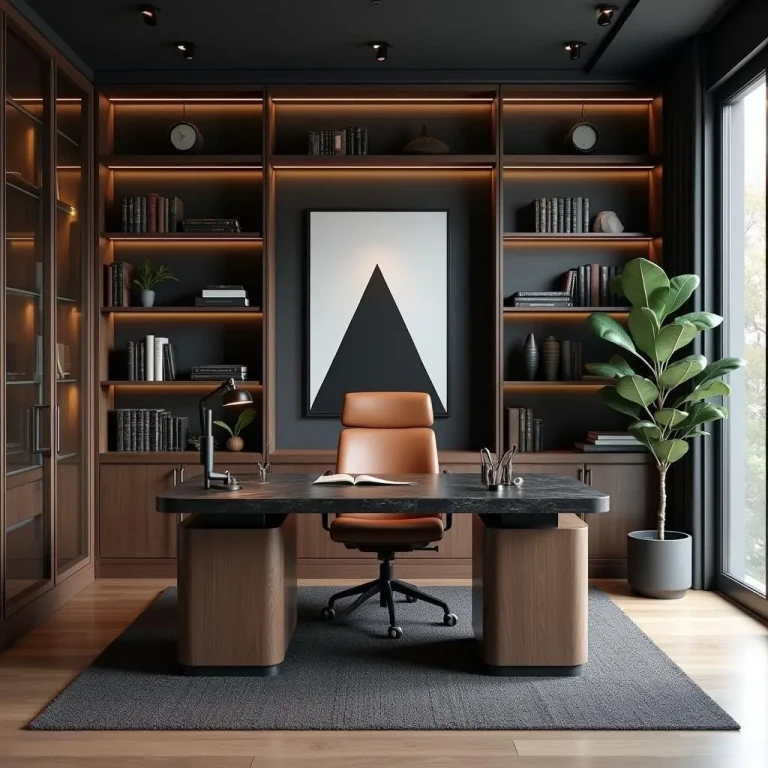
Materials tell the story of Modern interior design in 2025. Natural surfaces dominate interiors. Wood grains remain visible. Stone looks organic rather than polished. Matte finishes replace glossy ones.
Sustainable choices matter more than trends. Homeowners ask where materials come from and how long they last. Designers respond with recycled elements, durable surfaces, and timeless finishes that age well.
How Modern Interior Design Uses Color Today


Color in Modern interior design now supports mood. Whites stay soft, never harsh. Earth tones ground the space. Accent colors appear in art or textiles rather than walls.
This restrained use of color helps rooms feel flexible. Spaces adapt easily as furniture or personal tastes change over time.
Furniture Choices That Define Modern Homes


Furniture anchors Modern interior design with function first. Designers choose pieces that serve multiple purposes. Sofas support long sitting. Tables double as work surfaces. Storage stays hidden yet accessible.
Scale matters more than statement. Furniture fits the room without overpowering it. This balance creates harmony rather than visual noise.
Technology and Modern Interior Design Integration
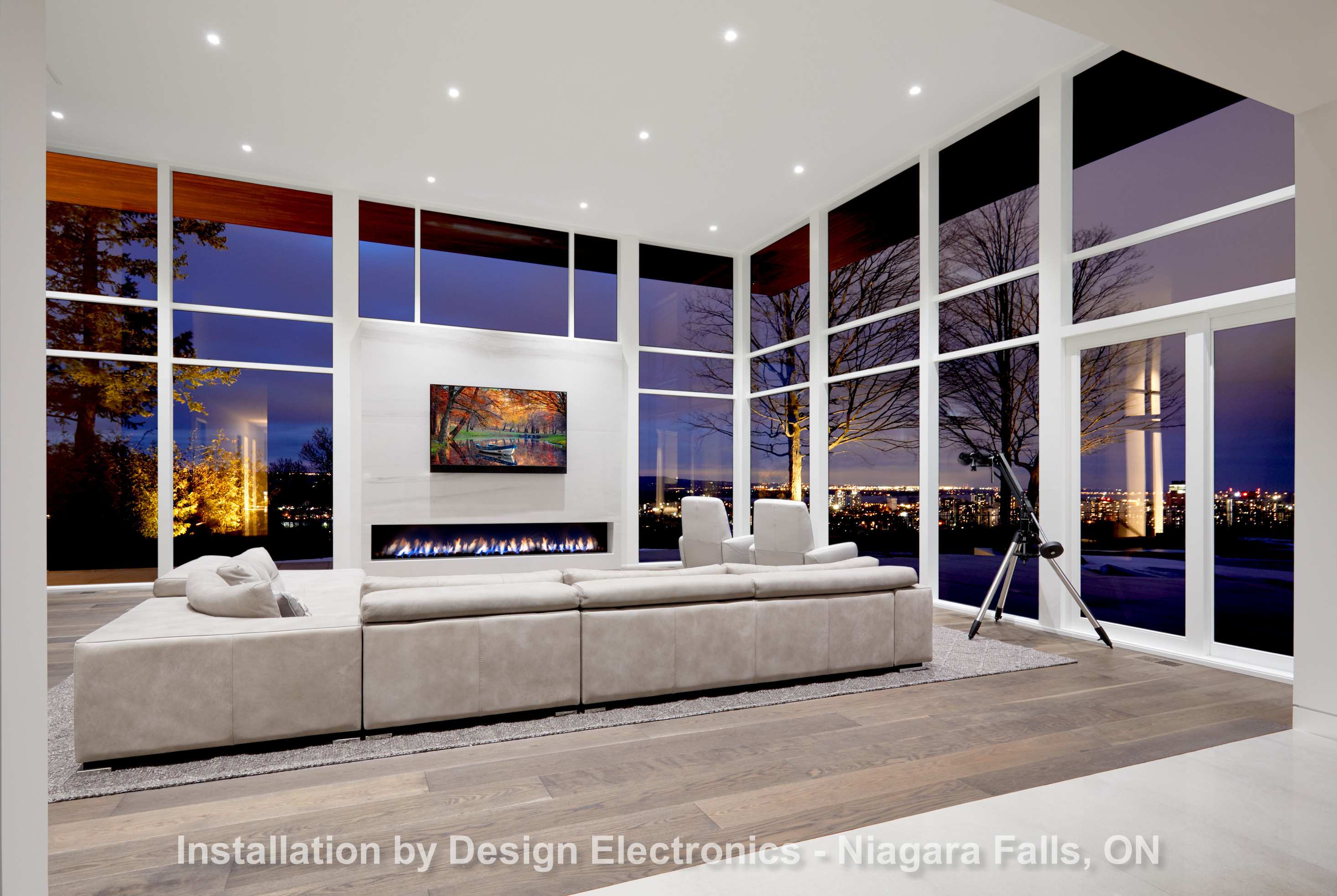
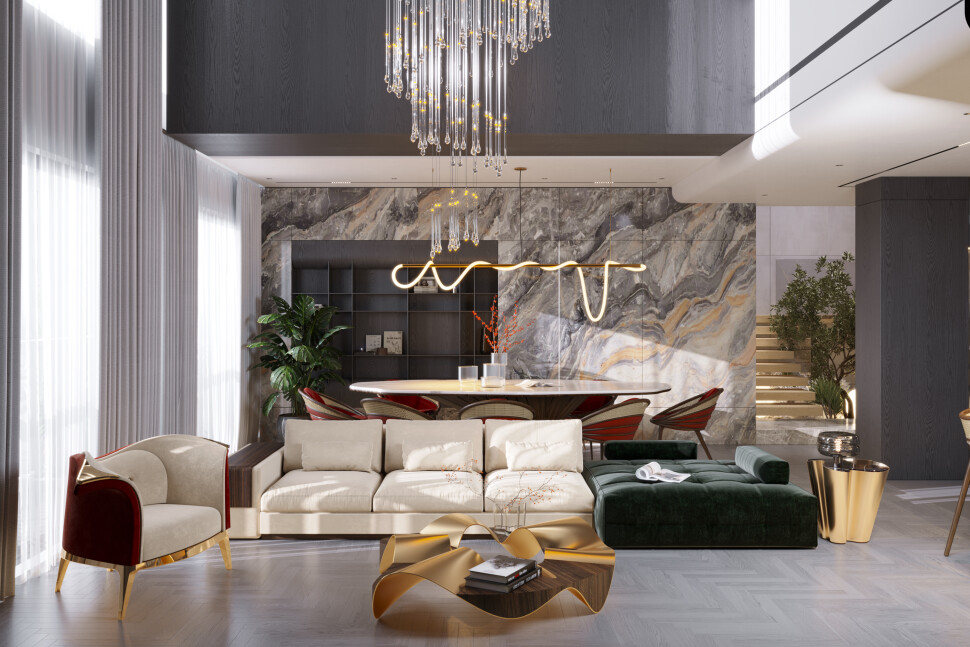

Technology blends quietly into Modern interior design. Smart lighting adjusts automatically. Climate systems stay invisible. Charging stations hide within furniture.
Designers treat technology as a background feature. It supports comfort without drawing attention. This approach keeps interiors clean and future-ready.
Modern Interior Design in Small Spaces

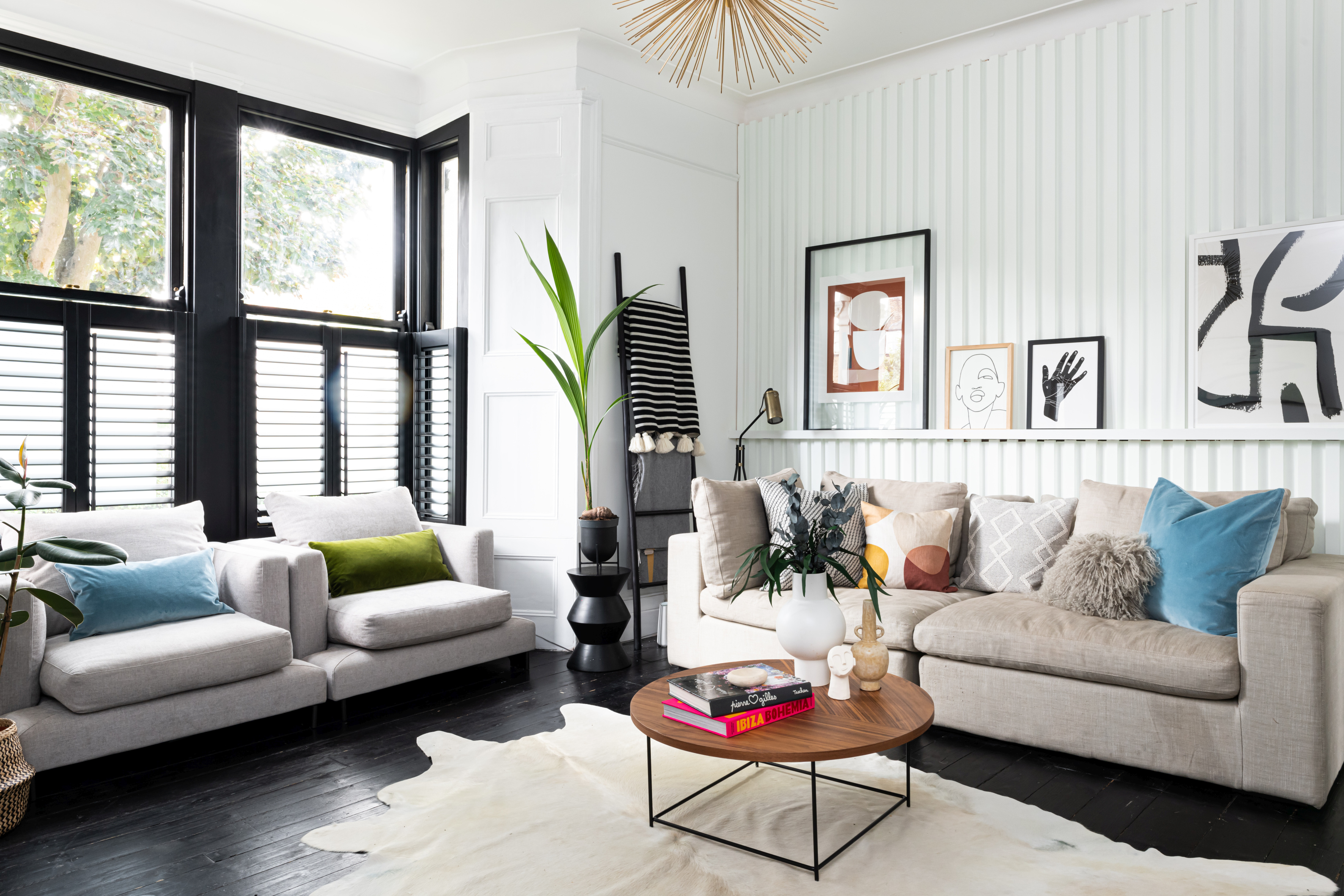

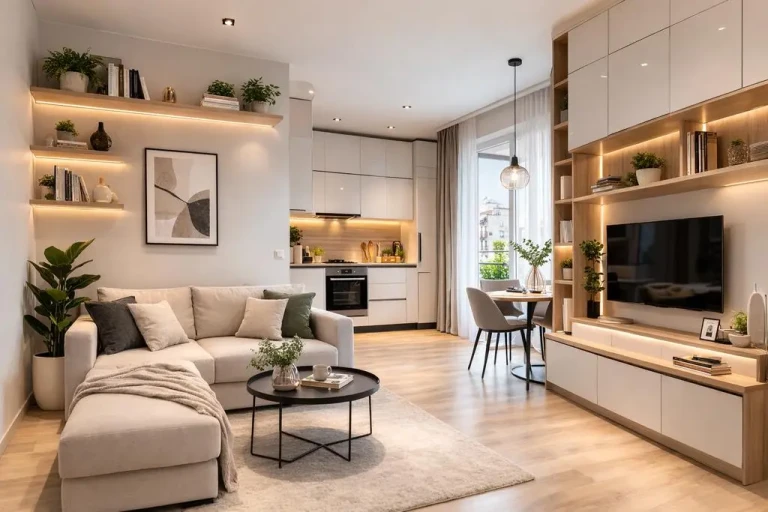
Small homes benefit most from Modern interior design. Open layouts reduce visual clutter. Built-in storage replaces bulky furniture. Mirrors and light colors expand the sense of space.
Designers focus on movement and flexibility. Rooms shift purpose throughout the day without effort.
Why Modern Interior Design Stays Timeless

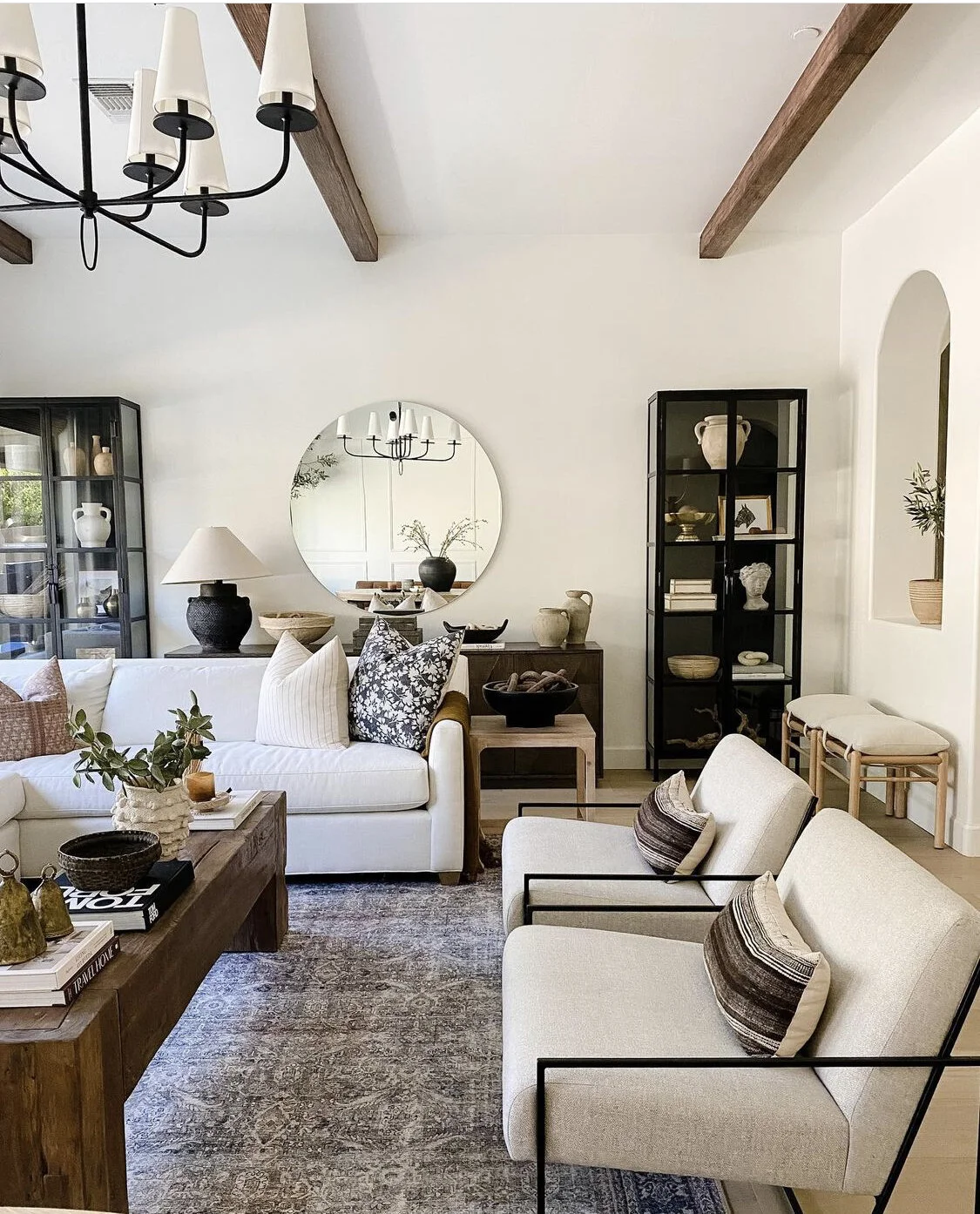

The lasting appeal of Modern interior design comes from restraint. Trends fade, but balance remains. Clean structure allows personal style to grow without conflict.
Homes designed this way feel current years later. They adapt easily to life changes, which makes them practical and emotionally valuable.
Final Thoughts on Modern Living Spaces


In 2026, Modern interior design reflects clarity, comfort, and purpose. It supports real life rather than performance. Through thoughtful materials, soft forms, and calm spaces, modern homes feel honest and welcoming. This approach proves that good design does not shout. It quietly improves everyday life.