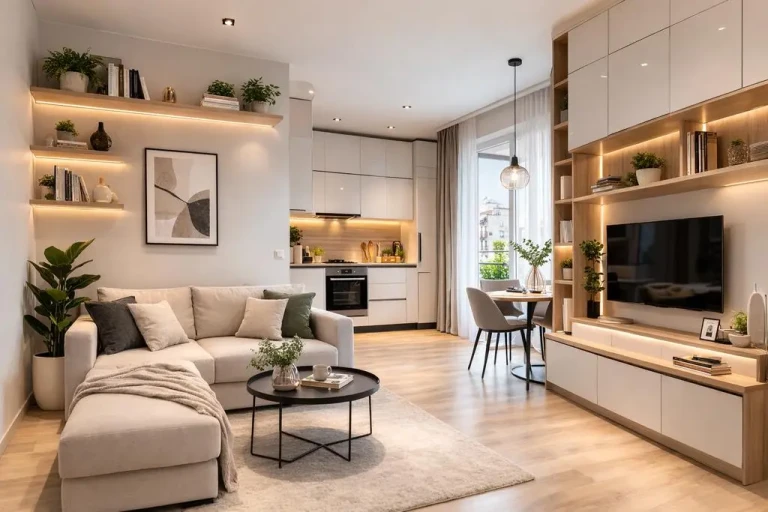
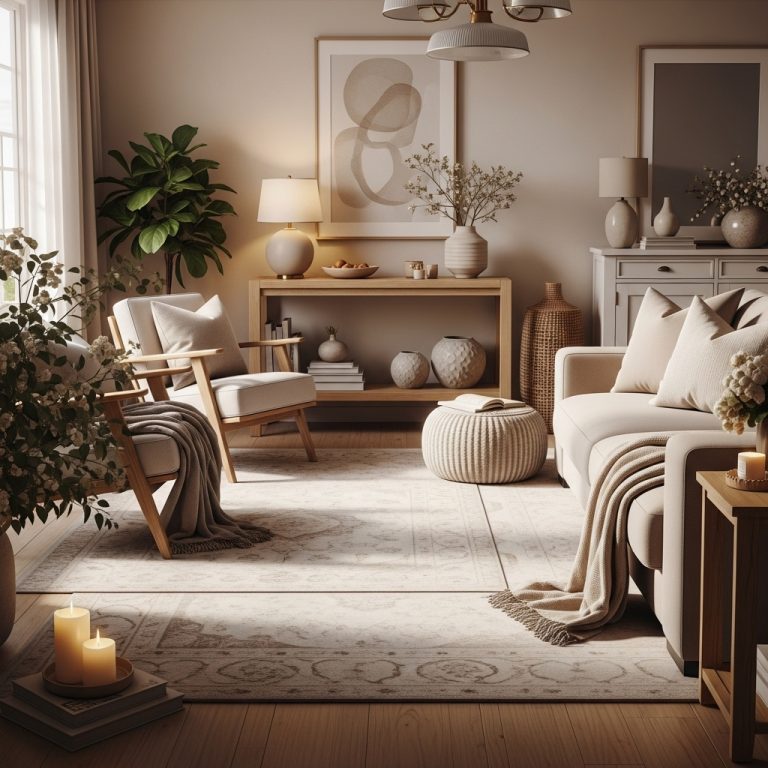
Calm Refined and Future Focused Modern Home Interior Design Ideas for 2026

Design enters a new era in 2026. Trends move away from loud statements and fast styling toward intentional spaces that support lifestyle, well-being, and longevity. Modern Home Interior Design Ideas emphasize natural materials, functional layouts, warm neutrality, and meaningful comfort.
The staircase ideas shaping 2026 emphasize sculptural refinement and a built-to-impress presence, but without slipping into ornamental excess. Designers are using proportion, material, and movement to create vertical transitions that feel intentional and quietly dramatic. This approach supports the broader shift toward homes that prioritize lived experience—spaces that are warm, sensory, and emotionally grounded rather than styled for show.
This trend-led shift shapes how homeowners remodel, furnish, and style their spaces across 2026 and beyond.
2026 Interior Trends Prioritize Calm Over Clutter
Designers across global markets note the same broad movement: people crave simplicity with depth. Publications like Architectural Digest and Dezeen highlight how homeowners prioritize mental calm, natural textures, organic forms, and cohesive color stories over maximalism or novelty.
Clutter leaves the home mentally heavy. Calm interiors improve focus, sleep, and daily flow. Design responds by removing visual noise and replacing it with tactile richness and calm rhythm.
Homes feel softer, older, and more timeless — not futuristic or overly themed.
Natural Materials Become the Heart of Design
Natural materials age gracefully and deepen with time. Wood, stone, linen, wool, clay, jute, marble, and unlacquered metals elevate everyday rituals. These materials offer warmth without excessive ornament.
European and Japanese influences introduce the concept of “quiet luxury” — spaces that feel serene without shouting aspiration. Scandinavian brands lean into oak, textured rugs, ceramic vessels, and plaster finishes that diffuse light gently throughout the day.
Warm materials soften contemporary layouts and reduce sterile energy in modern builds.

Neutral Color Palettes Support Long-Term Living
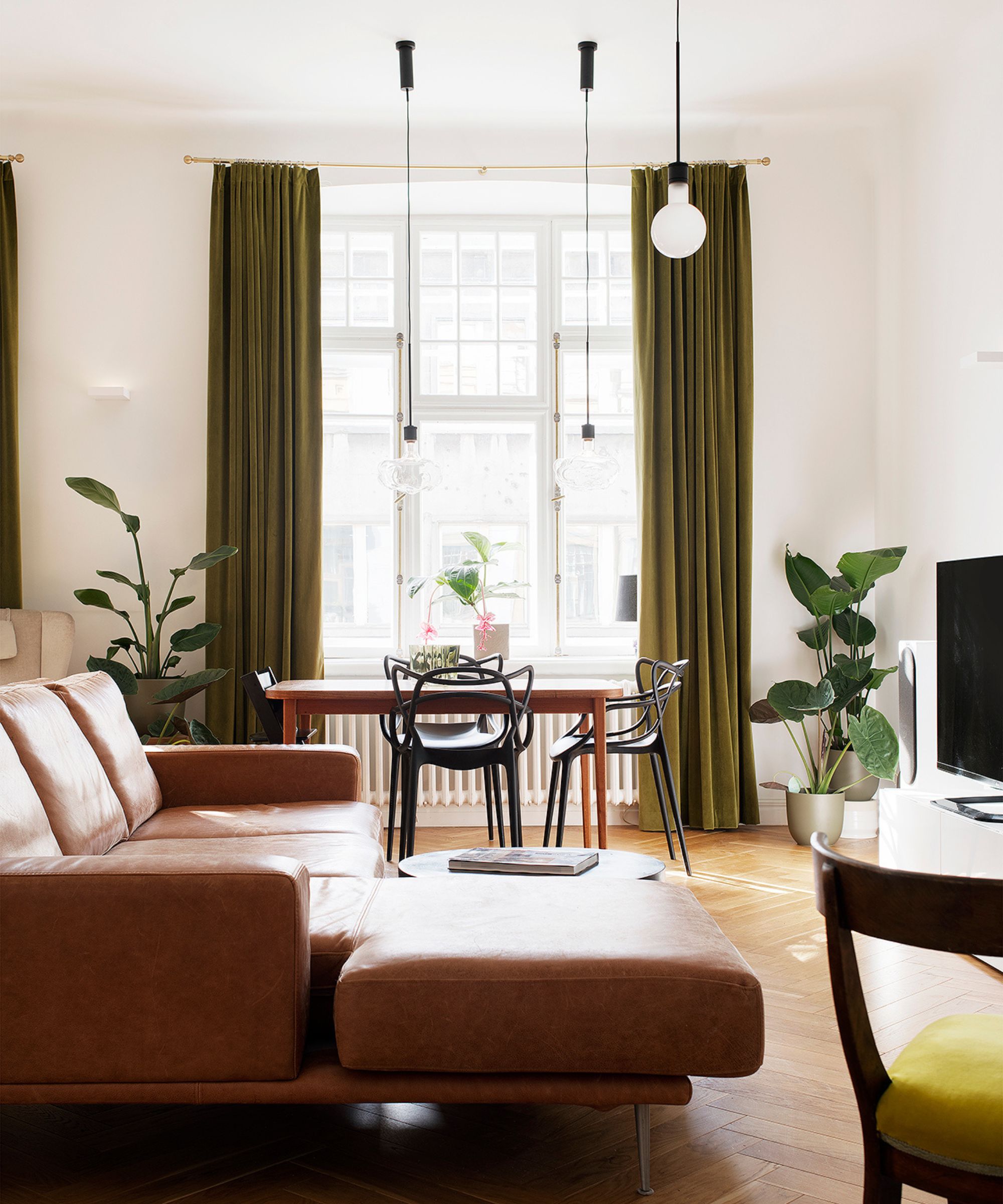
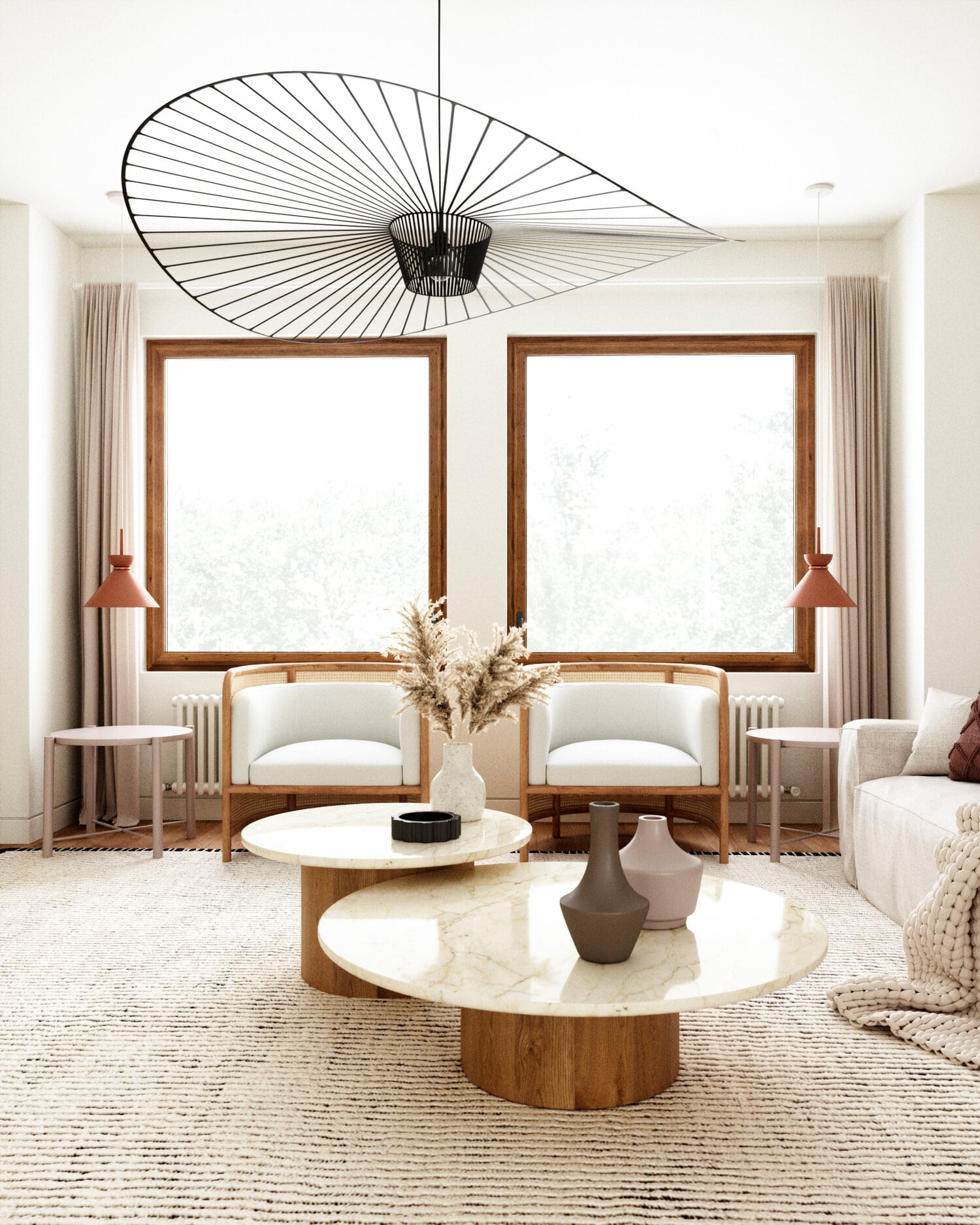
Color creates emotional tone. In 2026, neutrals dominate interiors not because they are boring, but because they allow rooms to breathe. Warm whites, sand, taupe, ecru, clay, willow green, and charcoal build calming palettes that pair well with organic materials.
Soft browns and natural greens replace grays as homeowners search for warmth. Paint manufacturers like Benjamin Moore and Farrow & Ball spotlight earth-based colors that feel connected to nature rather than artificial color wheels.
Neutrals support visual longevity — a key part of modern Home Interior Design Ideas that value timelessness over seasonal trends.
Open Layouts Get More Purposeful
Open-concept homes once celebrated freedom and flexibility, but many homeowners now seek defined zones for work, cooking, relaxing, and gathering. Designers gently reintroduce separation without sacrificing openness.
Partial walls, bookcase dividers, sliding screens, and changes in flooring or ceiling height create micro-rooms. These architectural gestures support privacy, acoustic comfort, and routine building.
Zoning makes living spaces feel more human and less like endless staging.
Lighting Becomes Emotional Instead of Just Functional
Lighting influences sleep, focus, mood, and temperature perception. In 2026, lighting design shifts from a purely technical decision to an emotional one.
Layered lighting becomes standard:
• ceiling lighting for function
• table lamps for warmth
• sconces for ambience
• floor lamps for reading
• pendants for focal height
Warm light flatters skin and supports evening relaxation. Cooler light supports daytime task work. Lighting plays a major role in modern Home Interior Design Ideas because homes serve more functions than ever.
Light sculpts space with intention rather than default brightness.
Texture Adds Sensory Depth to Minimal Interiors
Minimal interiors risk feeling cold without texture. Designers use tactile layering to soften visual simplicity. Linen bedding, plush rugs, handwoven throws, wool upholstery, ceramic tableware, and textured art make rooms feel lived in rather than staged.
Texture also absorbs sound, improves acoustics, and makes interiors feel warm even in modern builds with hard surfaces.
The best textures encourage touch and slow the mind.
Furniture Influenced by Quiet Luxury and Comfort
Furniture in 2026 leans toward rounded silhouettes, low seating, soft upholstery, and sculptural wood forms. Sharp edges give way to curves. Overly thin minimalism gives way to comfort.
Designers ask how people sit, lounge, nap, read, and socialize. They avoid furniture that photographs well but feels uncomfortable in real life.
Quiet luxury encourages investment pieces that age slowly. Instead of buying themed collections, homeowners curate over time.
This sensibility shapes contemporary Home Interior Design Ideas that favor personal authenticity.
Art and Decor Reflect Story Rather Than Trend
Decor evolves from seasonal objects to meaningful expressions. Travel photography, vintage books, ceramics, heirlooms, and handmade pieces replace mass-produced wall signs or themed accents.
Collectors and craft markets thrive as people seek pieces with narrative value. Personal artifacts create intimacy and emotional depth.
Designers guide homeowners to edit instead of accumulate. Editing reveals clarity and intention.
Indoor and Outdoor Experiences Blend Naturally
Biophilic design continues its rise. Plants bring life, scent, and motion into the home. Large windows, sliding doors, and courtyard layouts blur indoor-outdoor boundaries.
Water features, natural stone, clay pots, rattan furniture, and outdoor textiles make patios and balconies feel like extensions of living rooms.
Wellness influences this shift as fresh air and daylight improve mental clarity and sleep quality.
Even in small homes, simple balconies become micro-gardens.
Kitchens Focus on Warm Materials and Functionality
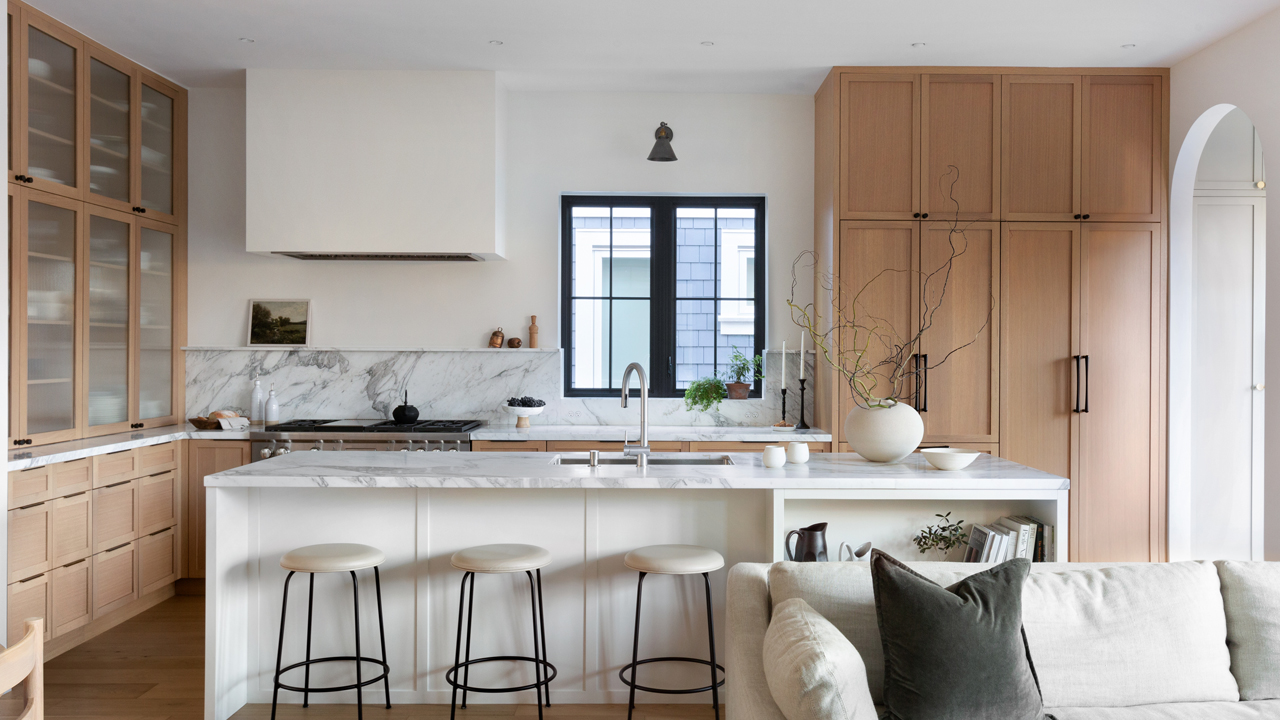
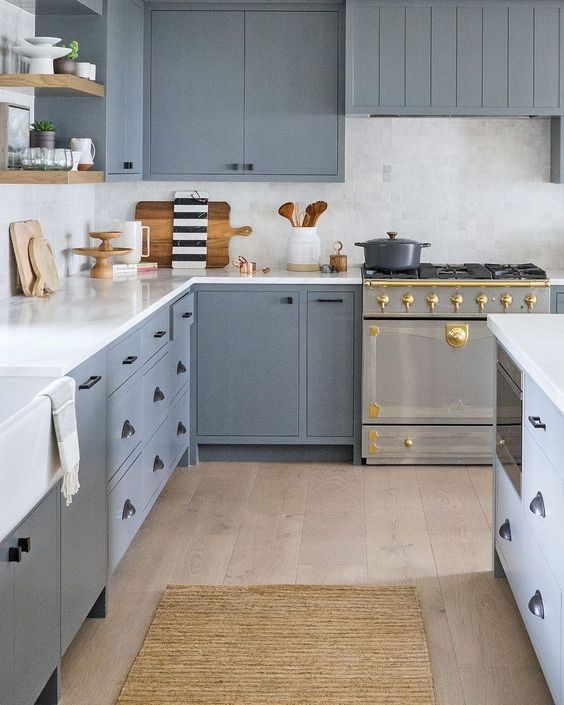
Kitchens abandon sterile white gloss in favor of light woods, stone slabs, textured tiles, and matte finishes. Islands grow larger to support hosting and casual dining. Pantries and appliance garages hide clutter to keep surfaces calm.
Brass, nickel, and unlacquered bronze hardware replace chromed finishes. Stone slabs with movement appear on backsplashes for subtle drama. These trends align with luxury but remain approachable.
Kitchens designed this way support longevity and are a major category within modern Home Interior Design Ideas that influence home value.

Bathrooms Shift Toward Spa-Inspired Calm
Bathrooms transform into therapeutic spaces. Natural stone, large format tiles, warm metals, rainfall showers, dimmable lighting, built-in niches, and freestanding tubs create hotel-style experiences.
Scent becomes part of design. Eucalyptus, citrus, and lavender diffusers support relaxation. Towels and robes add hospitality comfort.
Even compact bathrooms benefit from improved lighting and storage planning.
Storage Systems Support Order and Clarity
Clutter disrupts visual calm, so storage becomes central to design. Integrated shelving, mudrooms, hidden cabinetry, laundry sorting systems, and closet organization improve daily flow.
Storage increases real estate value because buyers prioritize functionality. Pantries, built-ins, and drawers outperform decorative baskets.
This shift away from visual clutter supports the future of every major Home Interior Design Ideas category.
Homes that function efficiently feel more livable and serene.
Homes that age gracefully hold value beyond trends.
Final Thoughts: Homes Designed for Real Life
Interior design evolves with lifestyle changes. Homes work harder than ever, supporting work, rest, play, cooking, movement, and connection. The most interesting shift of 2026 is not visual it is emotional.
Spaces feel more caring, more sensory, and more honest. They invite slow living rather than rush. They support routines instead of fighting them. They encourage presence, not performance.
These values will shape the next decade of interior design.